In brief
An extensive analysis indicates notable decreases in Black student enrollments at several prestigious colleges after the Supreme Court's ban on affirmative action. With the number of Black freshmen dwindling significantly, some institutions now report Black student representation as low as 2%. This shift not only poses challenges for college diversity but also prompts questions about the future of minority representation in higher education.
Numerous elite colleges across the United States have seen a significant decline in Black student enrollment following the recent Supreme Court ruling that banned affirmative action in admissions. This shift has resulted in Black populations at some campuses dropping to as little as 2% of the incoming freshman class, according to an analysis by the Associated Press.
Enrollment figures for 20 selective colleges indicate a troubling pattern over the last two years, with most reporting smaller shares of Black students in their recent intakes compared to the previous year. For instance, Princeton University has experienced a nearly 50% drop in Black student enrollment, leading some students to express concerns about the implications for campus diversity and community.
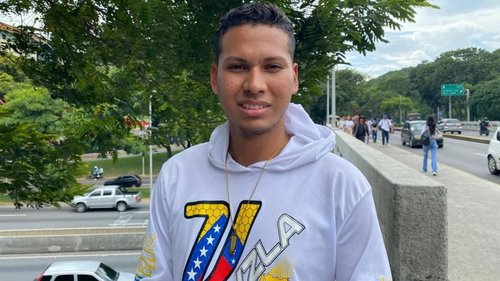
Princeton sophomore Christopher Quire commented on the stark contrast to previous years, recalling last year's welcome event for Black freshmen which had overwhelmed the venue. He asserted, If this trend continues, in three years this campus will be as Black as it was in the Civil Rights era... It feels like tying our feet together and telling us to restart.
While some colleges downplay these trends, they raise important questions regarding the mechanisms of college admissions and the implications for elite education access. The backdrop of this decline aligns with increased scrutiny from the Trump administration, which has intensified efforts to investigate colleges suspected of considering race in admissions, despite current legal constraints.
The recent data paints a grim picture for Black enrollment: among the analyzed campuses, only Smith College reported an increase in Black representation, while other institutions documented substantial decreases. At the California Institute of Technology and Bates College, the percentage of incoming Black freshmen was just around 2% this year compared to about 14% of high school graduates nationally.
Interestingly, some analyses have shown more muted decreases in Hispanic enrollments, and trends for white and Asian American students are mixed. However, the ongoing erosion of Black enrollment highlights an urgent need for colleges to reassess admissions practices and support structures to ensure inclusivity.
Princeton's spokesperson attributed current trends to natural variations in the applicant pool, emphasizing that the university remains compliant with court requirements. Despite these assertions, students like Quire express worry about the dilution of decades of progress toward racial diversity within the institution: We’re very confused as to what changed and whether we should be expecting this to be a fluke,” he remarked.
Compounding the issue, the rollout of a new federal financial aid form by the Biden administration has been notably problematic, potentially impacting students' ability to access higher education opportunities. The aspirations of minority students face additional hurdles as colleges navigate pressures to comply with the government’s stance on diversity initiatives.
Emerging perspectives suggest that institutions still have ways to foster diversity in their student bodies despite current trends. Experts recommend increasing focus on socioeconomic factors in admissions and reconsidering legacy preferences that disadvantage underrepresented groups.
As students navigate these changing dynamics, they are left to confront the chilling feeling of regression in civil rights gains, amidst hopes of perseverance and excellence in the face of adversity.