In brief
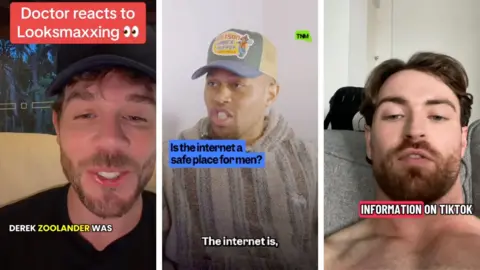
As social media influencers promote extreme masculinity trends like looksmaxxing, a backlash is developing. Health-practitioners and qualified influencers are voicing concerns about the damaging effects of these trends on young men's perceptions and overall well-being. Their efforts aim to redefine masculinity, focusing on mental health, nutrition, and community over physical appearance.
In recent years, social media has become a platform where masculinity is often portrayed through extreme lenses. Influencers advocate for methods that promise heightened masculinity, often at great personal risk—from cosmetic procedures to unhealthy dieting. Suggestions like 'hammering your facial bones to chisel your jawlines' exemplify this alarming trend.
Many followers of these influencers, who label themselves as 'healthmaxxers' and 'looksmaxxers', share a vocabulary revolving around reimagining masculinity and promotion of physical attributes over mental well-being. Terms like 'mogging' (being better looking than another man) and 'ascending' (improving one’s appearance) are commonplace in their discussions, creating a narrow definition of attractiveness based on chiselled features and muscularity.
Interestingly, almost two-thirds of young men aged 16-25 are influenced by this content, which can be concerning given the extreme measures some influencers advocate. Recognizing this, a counter-movement has emerged where qualified professionals are challenging these narratives and focusing on healthier living.
Dr. Michael Mrozinski, a sports physician and influencer, warns that these extreme trends could lead to dire consequences including physical harm. His alarm bell raises awareness over popular individuals who promote dangerous practices as social 'cheat codes' for attractiveness.
The need for a holistic redefinition of masculinity is echoed by voices like James Brash and Steven Abelman. They emphasize that true masculinity encompasses mental strength and health and advocate for community support rather than individual perfection. Their goal is to present a compassionate masculinity that defies stereotypes, offering supportive content instead of toxic ideals.
Hurst from Beyond Equality captures this essence, advocating for an inclusive vision of masculinity that allows for emotional expression and vulnerability. It’s a call for young men to embrace diverse masculinities that go beyond mere appearance, aiming for a healthier and more inclusive representation of what it means to be masculine in today's society.