In brief
China's economy, already under pressure from Trump's tariffs, is experiencing further complications due to the ongoing US-Iran conflict. Workers in the manufacturing hub of Foshan express their frustrations over stagnant wages and dwindling factory jobs, reflecting the broader challenges facing China amidst rising costs and shifting global trade dynamics. Despite the challenges, there remains a push for innovation, particularly in the electric vehicle sector, showcasing China's efforts to navigate through these turbulent times.
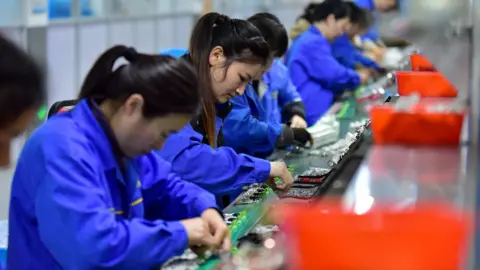
China's manufacturing industry is in a state of flux as workers in the bustling city of Foshan express growing discontent and desperation amid the backdrop of the ongoing US-Iran war. The conflict has inflicted additional pain on an economy already grappling with slower growth and the fallout from tariffs imposed during trade tensions with the United States.
Many workers are under immense stress to meet financial obligations to their families, while facing diminished job security in factories shifting focus from mass production to advanced technology. No one understands what our life is like, said one unidentified worker, voicing the sentiments of many in the area who feel trapped in an unforgiving economic environment.
The implications of the US-Iran war extend beyond military action; it has led to increases in material costs, further squeezing factory orders and leading to rising concerns for job security across sectors in China. Workers describe the struggle to earn a living wage with meager pay rates, reflecting a tension that has simmered for years.
On one hand, China continues to assert itself in industries like electric vehicles, where recent data indicates a significant uptick in exports of EVs to various markets. For example, exports surged by 30% from February to March of the current year, demonstrating a growing interest from international buyers amid rising fuel costs elsewhere.
However, this exemplifies a broader duality within China's economy—a narrative of resilience juxtaposed with the stark reality of many workers facing stagnant wages and bleak prospects. Beijings’s leadership is increasingly aware that the current geopolitical landscape is not merely an opportunity for growth but also a potential crisis demanding careful navigation.
As tensions continue in the Middle East, Beijing's diplomatic efforts have intensified, aiming for a balancing act that promotes both economic interests and regional stability. The stakes remain high, as the global gaze shifts towards China’s capacity to manage its economic future while responding to the intricate web of international relationships amid conflict.