In brief
The NYC Council’s proposed ban on Central Park horse‑drawn carriages reflects growing anxiety over animal welfare and public safety. Drivers, who have honed their craft over decades, fear loss of livelihood and the health of their horses. While the city cites tragic accidents and horse deaths, advocates argue for respect and stewardship along with safer, humane alternatives. A transition plan promises job placement and training, though unions raise doubts about compensation and long‑term support for the industry. The debate opens a broader conversation about how modern cities should honor animal companions and cultural heritage.
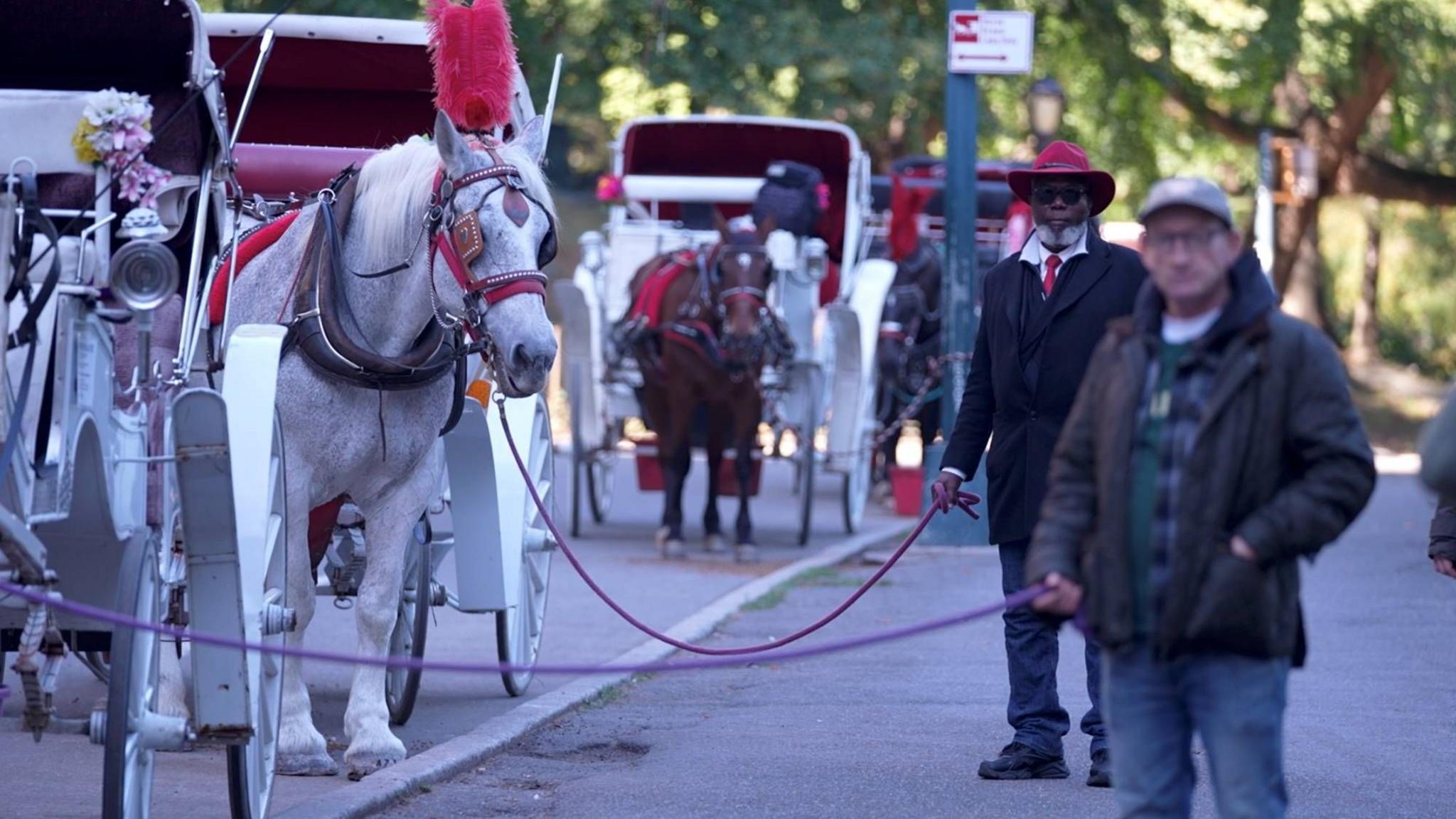
The iconic horse‑drawn carriages that have guided tourists through Central Park for over a century are on the brink of disappearing, as New York City’s council moves to prohibit them from the 840‑acre green space in 2028.
For many drivers, the carriage is more than a job—it is a partnership with a living animal. Alexus Lawson, 28, who has guided visitors for six years, says she “younger, more compassionate caregivers” feel a kinship that mirrors the deep respect Indigenous cultures have long held toward horses as working partners.”
The proposal, backed by Mayor Zohran Mamdani, cites a series of incidents: 40 horses have died in the park since 1982, and the summer’s fatal riding accident involving a 18‑year‑old tourist has heightened public pressure for change. City officials argue for a transition plan that would offer workers training, job placement and financial aid, hoping to replace the iconic rides with alternatives that emphasize humane care.
Opponents highlight that Central Park’s horses are heavily regulated and that drivers routinely meet daily feeding, veterinary, and exercise requirements. “They look at an animal in harness and they see a trap,” Lawson said. Driver unions question whether the promised aid will truly safeguard livelihoods, warning that without guaranteed compensation many would be “economically wiped out.”
Animal‑rights groups, including the American Society for the Prevention of Cruelty to Animals and PETA, echo concerns about the stresses of public attractions. They argue that the combined risks to both humans and animals outweigh the cultural heritage of the rides. Yet Indigenous scholars point out that stewardship of animals can coexist with public enjoyment when guided by traditional values of respect, shared responsibility, and community consent.
The debate reflects a larger conversation about how modern cities treat working animals, align with public safety, and preserve cultural traditions while embracing humane practices. As the city negotiates schedules and funding, all voices—from horse caretakers to Indigenous ethicists—are called upon to shape a future that respects both humanity and animal well‑being.