SPRINGFIELD, Ill. — In a case that has captured national attention, former sheriff's deputy Sean Grayson received a 20-year prison sentence for shooting and killing Sonya Massey, a mother who had called 911 asking for assistance. The tragic incident has raised significant concerns about police conduct and the treatment of marginalized individuals by law enforcement.
Grayson, 31, was convicted in October and sentenced Thursday. He expressed remorse for his actions, stating, I made a lot of mistakes that night. There were points when I should've acted, and I didn't. I froze. Despite his apology, Massey's family has voiced that no amount of time could ever replace the mother they lost.
Massey, who struggled with mental health issues, called for help on July 6, 2024, fearing a prowler outside her home. Body camera footage later revealed that during a tense interaction with Grayson, who is white, the situation escalated dramatically. Grayson fired his weapon, fatally wounding the 36-year-old mother in a moment of fear and confusion for both parties involved.
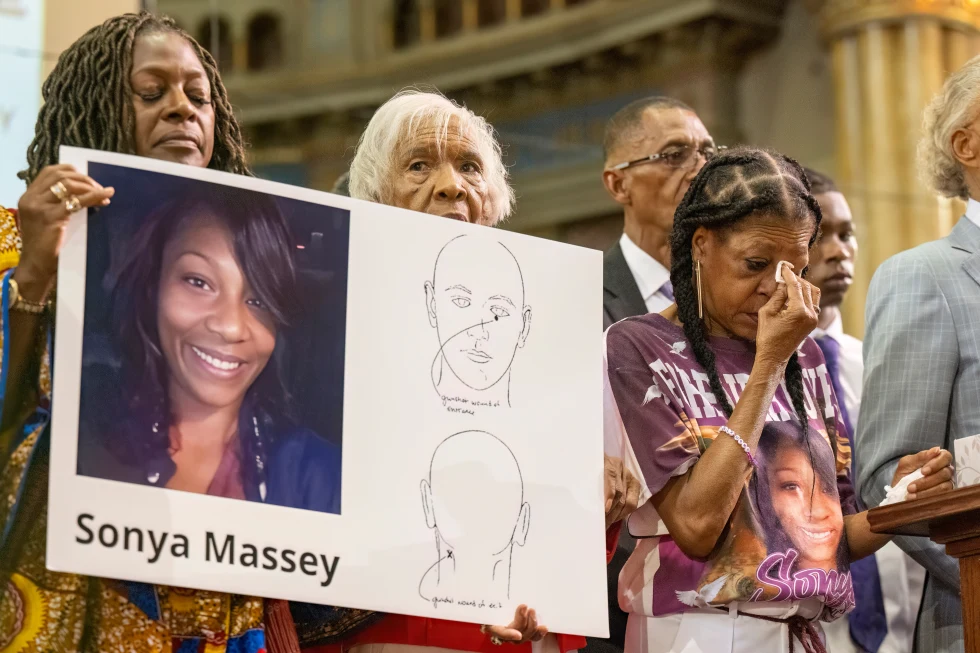
Witnesses described the family's anguish following the incident and their call for justice to be served in honor of Massey. Today, I'm afraid to call the police in fear that I might end up like Sonya, said Massey's mother, illustrating the deep-seated worry felt in many communities regarding police interactions.
The case has not only prompted a legal response but has also sparked conversations surrounding systemic issues within law enforcement. Activists, advocates, and even the U.S. Justice Department have taken note, leading to calls for more comprehensive de-escalation training and oversight in police operations aimed at vulnerable populations.
Massey's family received a $10 million settlement, but critics argue that monetary compensation cannot begin to address the underlying issues of accountability and support for mental health crises within emergency response frameworks.
After the verdict, family members expressed their dissatisfaction, noting that twenty years seemed insufficient for the irreversible harm caused. As her cousin Sontae Massey stated, The justice system did exactly what it’s designed to do today. It’s not meant for us.
With growing demands for reform, the tragic loss of Sonya Massey remains a poignant reminder of the urgent need for change in how communities engage with law enforcement, particularly concerning public safety and mental health crises.