In brief
Cahokia Heights, a predominantly Black city, suffers recurrent sewage flooding due to poor infrastructure, exacerbated by inadequate financial support for repairs and the cancellation of funds aimed at eliminating racial and economic disparities. Families are trapped in a cycle of health risks linked to untreated sewage while awaited federal assistance diminishes.
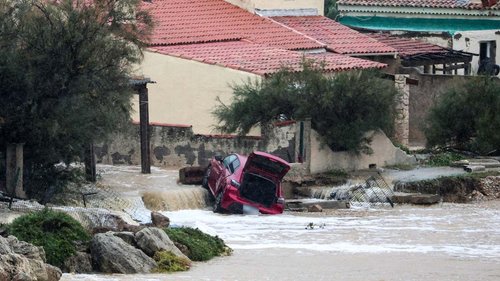
CAHOKIA HEIGHTS, Ill. — For Yvette Lyles, her modest brick ranch home was meant to be a cherished Christmas gift for her family, a serene spot close to a state park where they could create memories. Instead, the family's hopes have been dashed by a recurring sewage crisis that turns streets into rivers of untreated waste during heavy rains.
The area, which is struggling economically with about a third of its residents living in poverty, has faced continuous flooding that poses health risks to the community. For Lyles, the first incident was traumatic: after heavy rains, her family was trapped inside their home, unable to escape the rising water and sewage.
I had to turn my back so my children wouldn’t see me cry, Lyles recounted.
The challenge faced by Cahokia Heights mirrors a national problem. Many vulnerable communities across the U.S. lack the funds and expertise to combat aging and problematic wastewater systems, which compromise residents' health by exposing them to untreated sewage.
Regrettably, federal support aimed at addressing these issues has eroded. Grants and loans—part of the Bipartisan Infrastructure Law—promised by former President Biden have been curtailed since the Trump administration, which dismantled the Environmental Protection Agency's Environmental Justice office and slashed funding for critical projects.
With many areas falling behind on sewer updates, advocates argue that low-resource communities bear the brunt of these cuts. For instance, in Alabama, $14 million set aside for septic systems in predominantly Black counties has been canceled, as has a critical $20 million grant for Georgia's historic neighborhoods.
The Trump administration's proposed budget cuts would deprive state revolving loan funds vital for clean drinking and wastewater projects—an essential lifeline for disadvantaged communities.
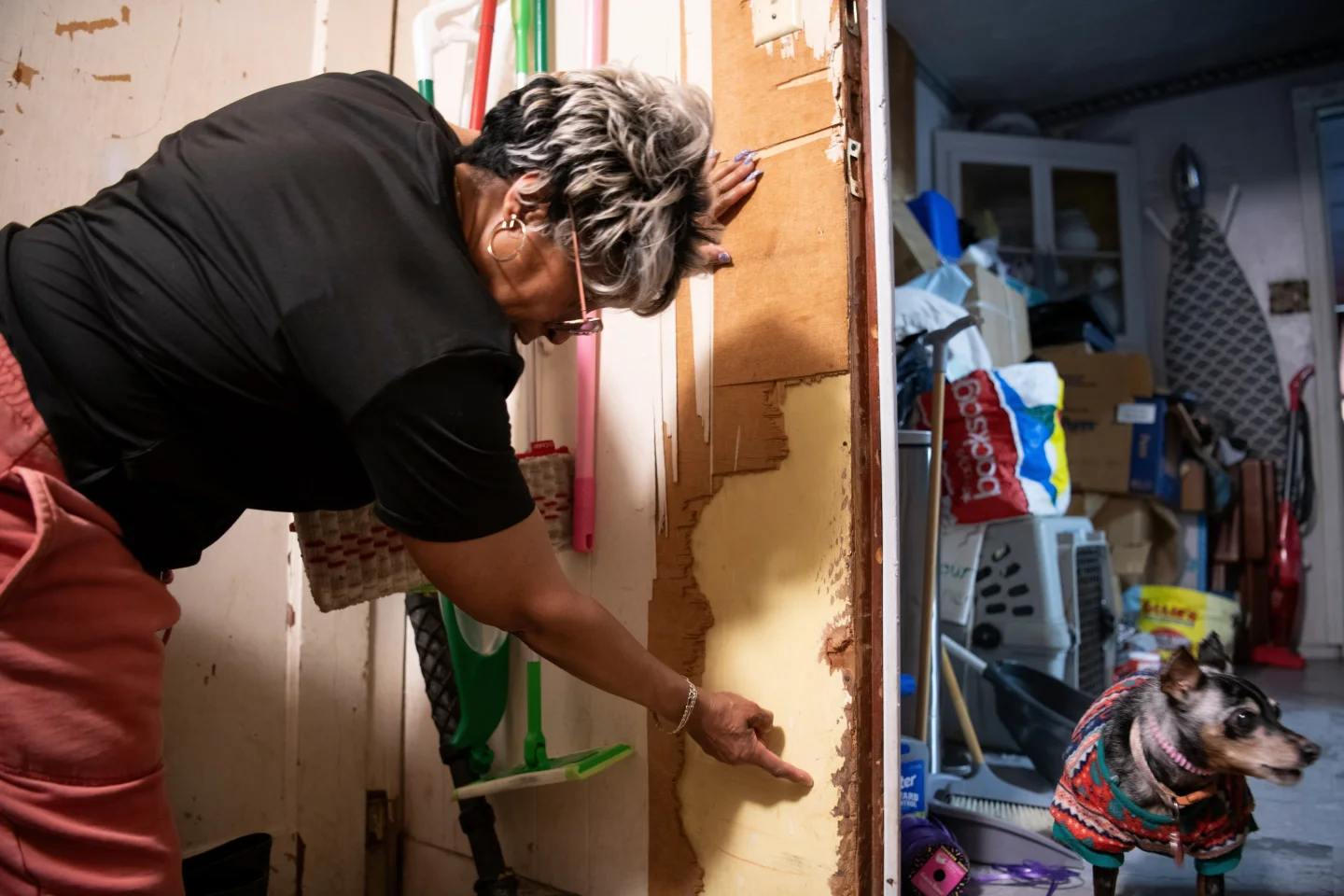
In Cahokia Heights, woes are compounded by damaged infrastructure and lackluster repair efforts. Between flood events, residents like Patricia Johnson are left dealing with sewage backups, as stagnant water brings a breeding ground for mosquitoes, exacerbating public health concerns. It is just bad, Johnson laments. I am just sad because I have never experienced water being such a problem out here.”
The city has had limited success in drawing investment, with a federal mandate to invest approximately $30 million to rectify these issues after a lawsuit involving the Justice Department. Yet, federal funds that could assist have been lost along the way, including $1.1 million previously appropriated for sewage improvement. Additionally, ongoing legal battles in Cahokia Heights highlight the struggles of accessing necessary funding.
With over 17 million Americans using wastewater systems in violation of federal standards, the conditions in places like Cahokia Heights underscore a widespread environmental and health crisis rooted in systemic inequities. Activists remind us that these are not isolated incidents, but rather a manifestation of deeper infrastructure needs faced by marginalized communities across the U.S.