In brief
Bollywood's latest release 'Dhurandhar' features Ranveer Singh as an Indian spy navigating the treacherous underworld of Pakistan, stirring controversy over its nationalistic themes and historical references. Critics have expressed concern over its political messaging and potential inflammatory content, while the film continues to attract large audiences in both countries. Despite the polarizing responses, it reflects a growing trend of Indian films addressing sensitive political issues through a nationalistic lens.
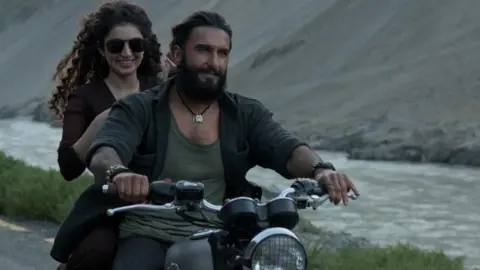
A new Bollywood spy film, 'Dhurandhar', is creating waves in both India and Pakistan with its contentious depiction of historical hostilities between the two nations. Released recently, the film showcases Bollywood superstar Ranveer Singh as Hamza, an Indian spy embroiled in a high-stakes mission in Karachi, delving into a world of gang wars and espionage.
Directed by Aditya Dhar, known for his previous political thriller, 'Uri: The Surgical Strike', 'Dhurandhar' has been met with mixed reactions. While many praise its thrilling action sequences and compelling narrative, others critique its overt nationalistic messaging and the portrayal of complex geopolitical issues.
The film reflects a notable trend in Indian cinema, which has seen a surge in nationalist narratives addressing contentious historical events. Despite concerns over its propaganda-like elements, the film is performing remarkably well at the box office, emblematic of the public's appetite for these portrayals.
Critics argue that the film dangerously blurs the line between entertainment and political propaganda. It incorporates real events such as the 2001 Indian Parliament attack, crafted to heighten the narrative's stakes, while also generating discussions about the implications of such portrayals on communal identity.
In Pakistan, responses have been equally polarized. While Bollywood enjoys immense popularity among audiences, many express frustration at the film's negative representations of their country. Editorials from prominent Pakistani outlets have lamented the ongoing trend of Bollywood films interpreting their history through a biased lens.
As the story unfolds amid real socio-political tensions, 'Dhurandhar' becomes a focal point of discussion not just for its cinematic elements but also for the broader implications on cultural perceptions and the narrative of conflict.