ANCHORAGE, Alaska (Deeproots News) — The Alaska Court of Appeals is deliberating on the voter misconduct charges filed against Tupe Smith, an American Samoan resident, highlighting the intricate legal status of U.S. territories.
During court arguments, Smith's attorneys contend the felony charges stem from an innocent error, while prosecutors allege she willfully misrepresented her citizenship status. This case is part of a larger context where 11 individuals from American Samoa have faced similar allegations in Whittier, Alaska.
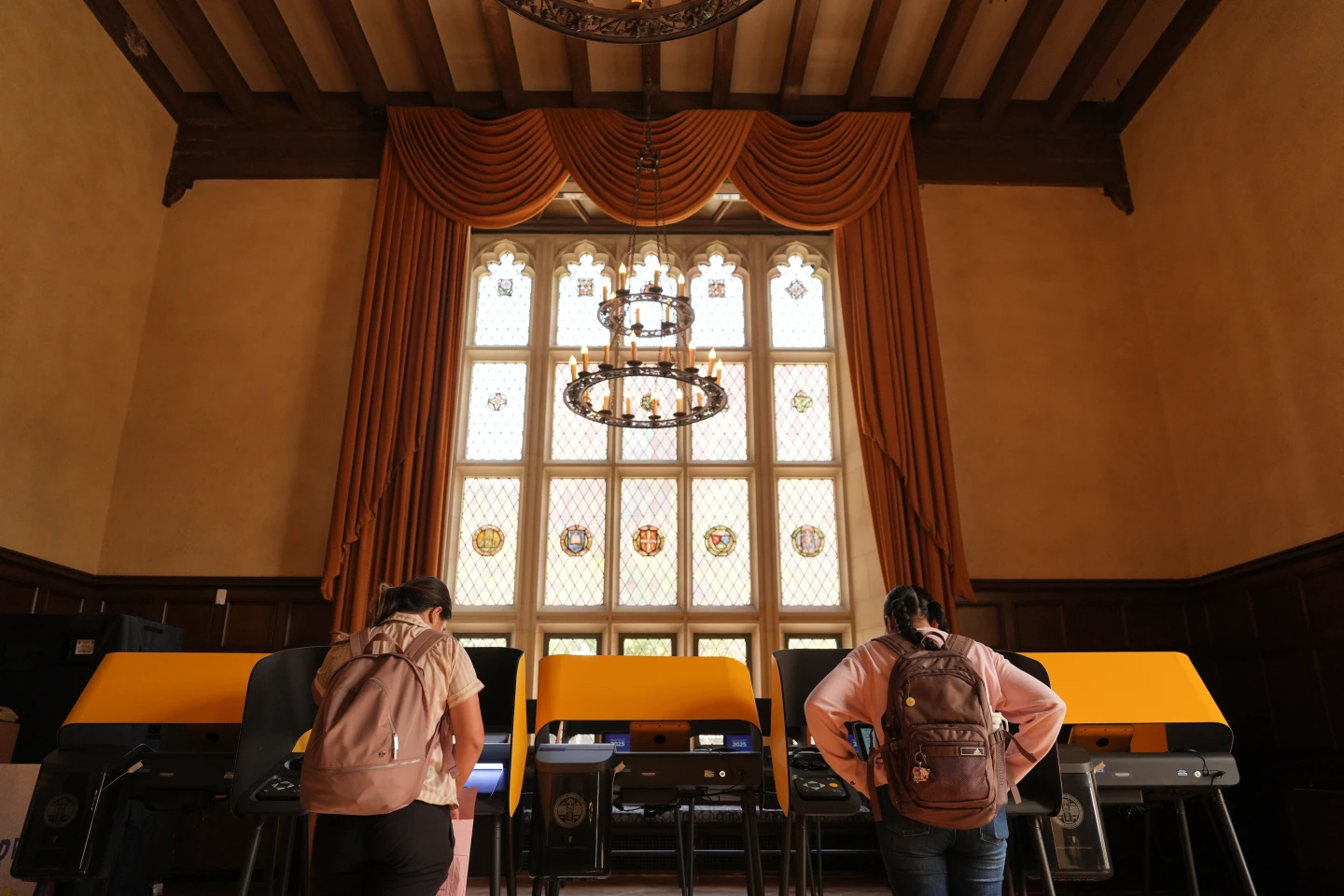
American Samoa stands out as the only U.S. territory where residents are recognized as U.S. nationals rather than citizens by birth. While they can serve in the military and obtain U.S. passports, their voting rights in most U.S. elections are limited.
Smith, who won a spot on the local school board in 2023, asserted she relied on incorrect information from election officials when she indicated she was a U.S. citizen on her registration.
In documentation from 2024, one of Smith's prior lawyers noted that, while she recognized she could not vote in presidential elections, she was unaware of other restrictions that might affect her voting eligibility.
Smith claims to always list herself as a U.S. national on official documents; however, she was advised by city officials that marking U.S. citizen was acceptable when no other option was available. Her defense argues that she believed she was exercising her voting rights based on guidance received from local officials, and not with any intention to deceive.
The state's assertion that Smith deliberately lied under oath hinges on the language of voter application forms, which notified applicants that they must be both 18 years old and a U.S. citizen to be eligible to register.
Neil Weare, one of Smith's attorneys, highlighted the implications of this case, suggesting that if the indictment is upheld, Alaska would become unique among the states with such stringent measures regarding voting eligibility.
This case not only puts Smith's future on the line but also underscores the ongoing challenges facing American Samoan residents within the American electoral system.