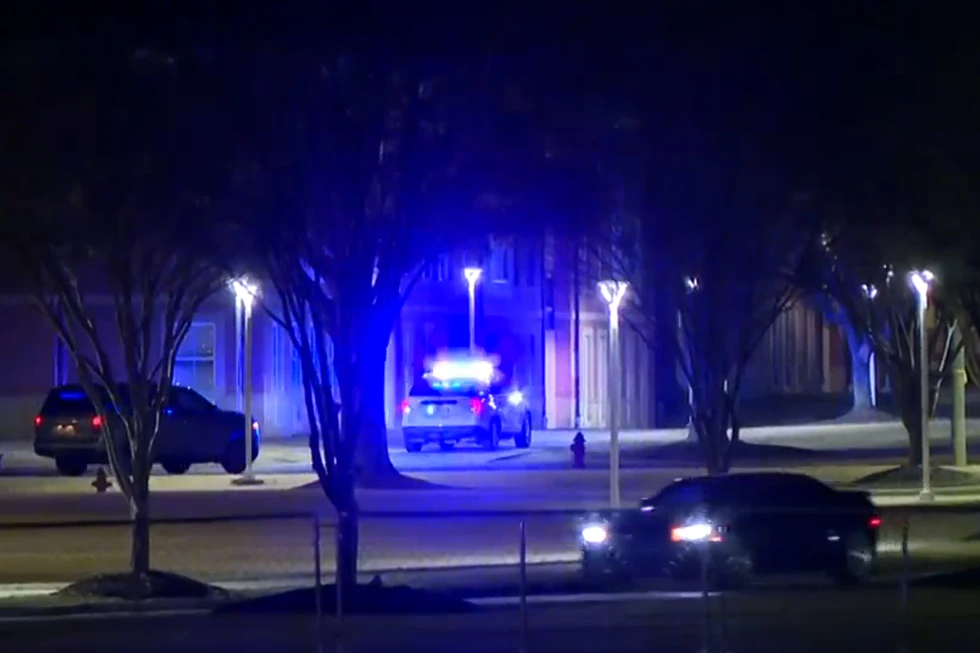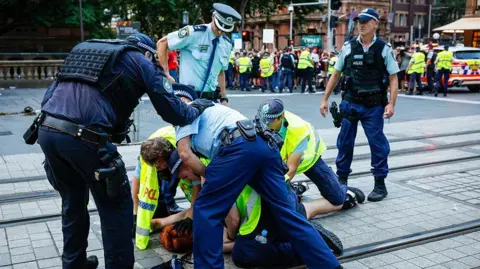
MINNEAPOLIS (AP) — A recent shooting incident in Minneapolis has raised urgent questions surrounding federal immigration enforcement and police conduct. A federal officer shot a man in the leg during an altercation, in which the officer was reportedly attacked with a shovel and broom handle.
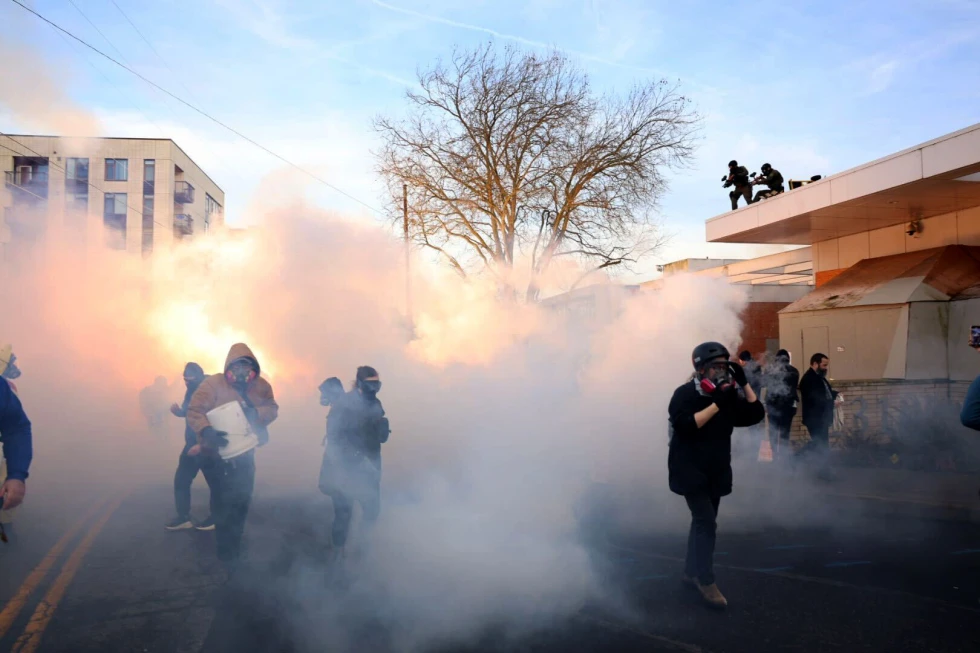
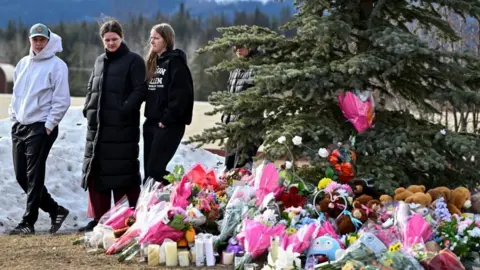
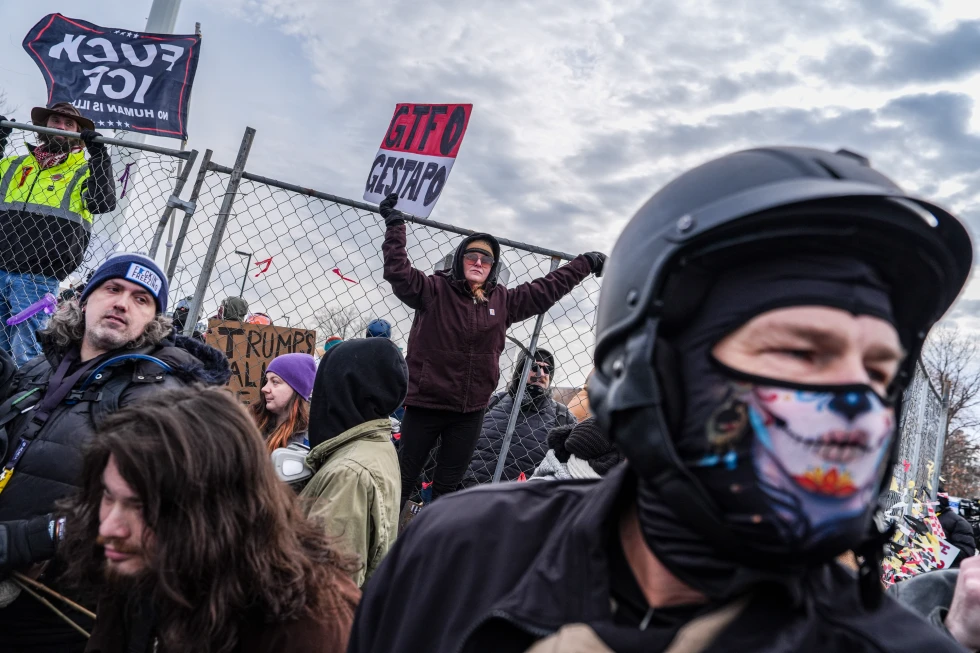
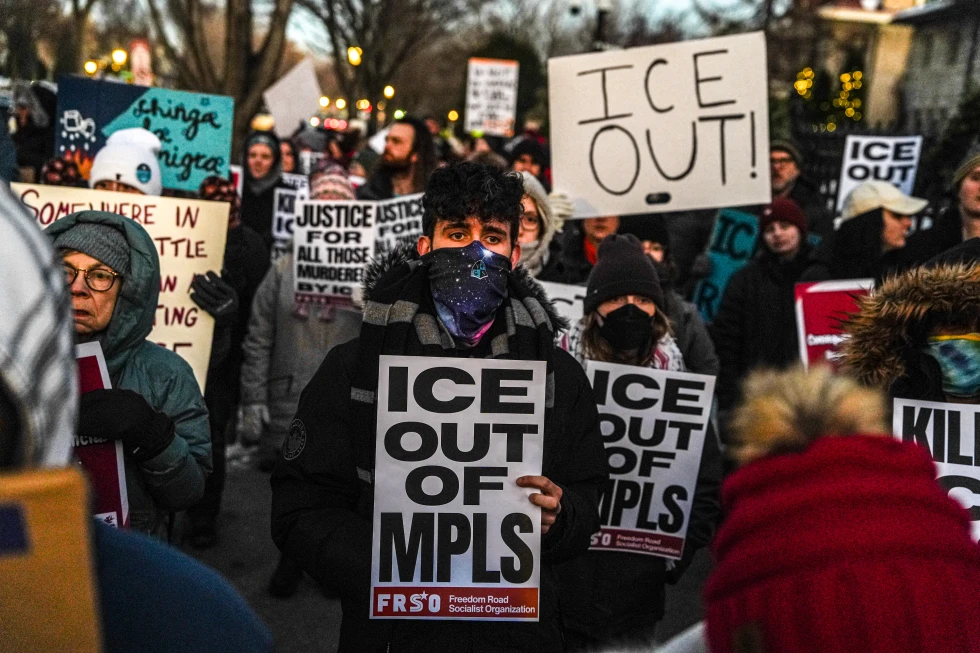
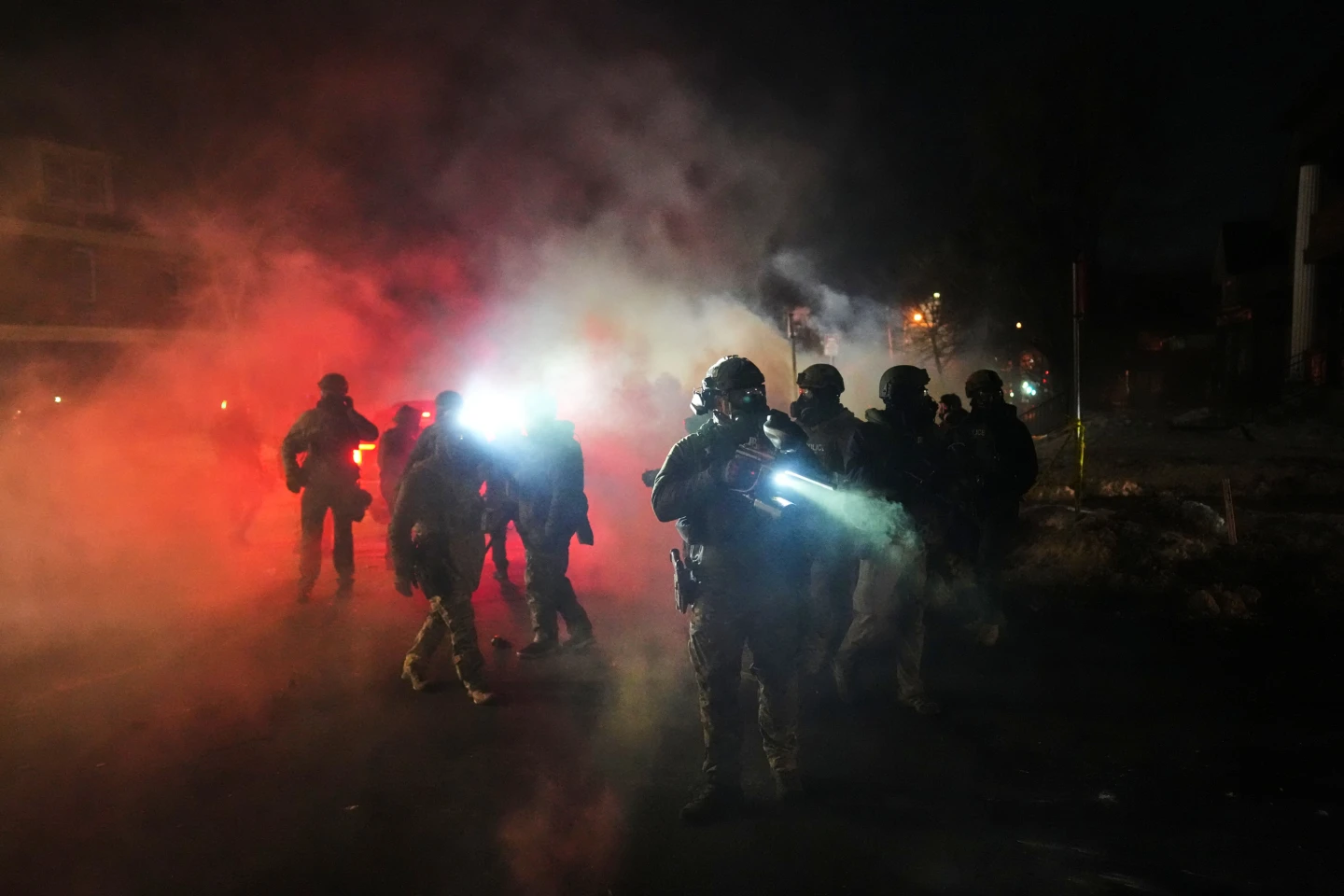
This incident compounds the tension in the city following the fatal shooting of Renee Good by an immigration agent as part of a wider crackdown on illegal immigration, which has drawn thousands of federal agents into the area. Smoke filled the streets as protests erupted, characterized by confrontations between demonstrators and law enforcement, leading to the use of tear gas by federal officers.
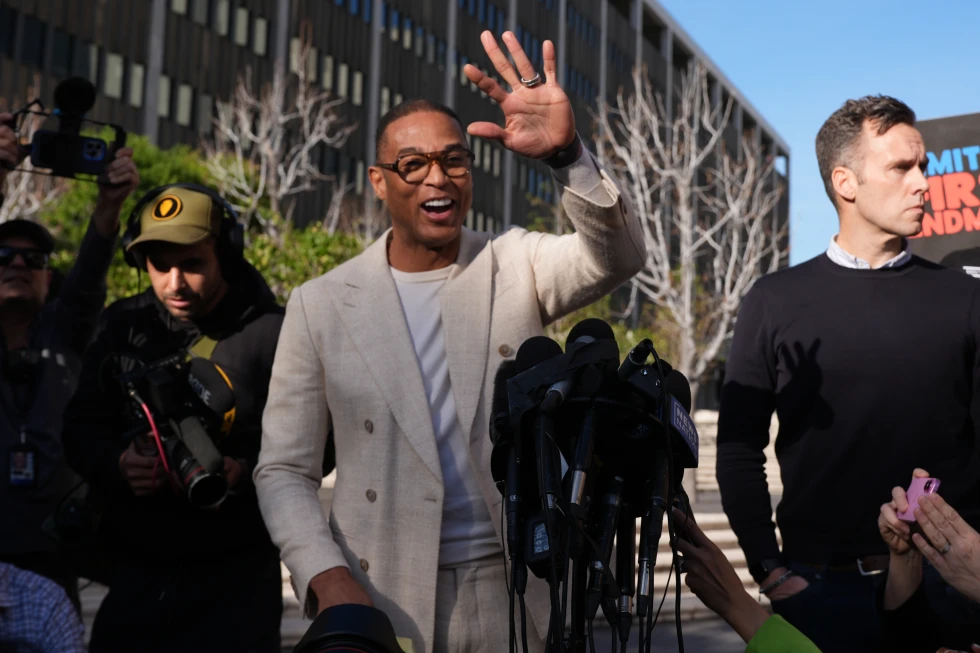
Minneapolis Police Chief Brian O’Hara declared the gatherings unlawful assemblies and urged crowds to disperse. Many residents are calling for action against federal agents accused of aggressive tactics. Mayor Jacob Frey described the overwhelming federal presence as unsustainable for the community.
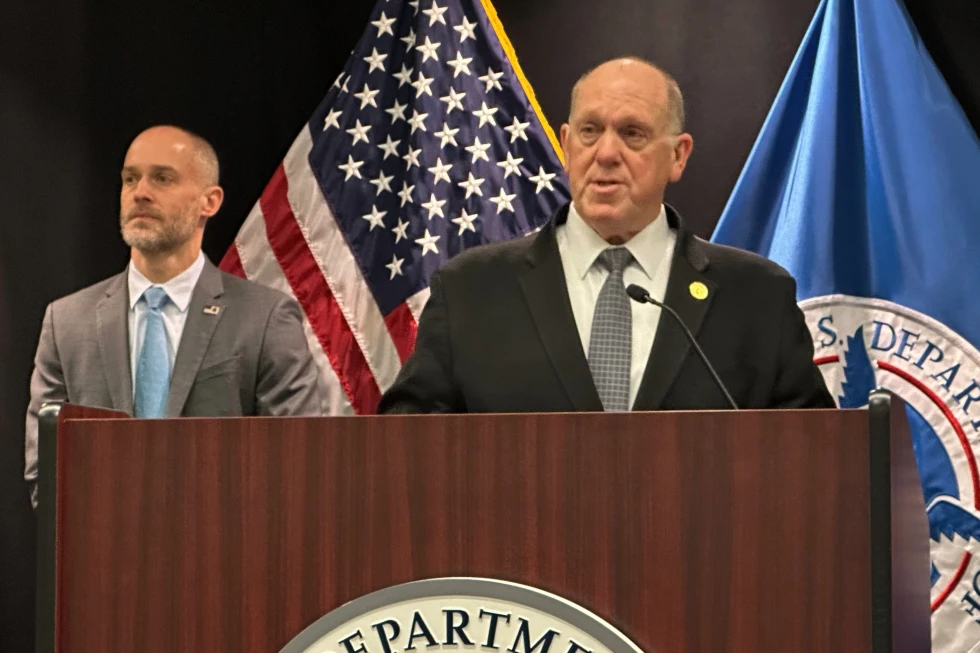
Protesters in the city are voicing their anger against what they perceive as an invasion by federal forces and are demanding accountability from immigration agents. The Department of Homeland Security has reported more than 2,000 arrests in the state amid this crackdown, with officials asserting that they will not back down.
As the chaotic events unfolded, a Homeland Security statement detailed the circumstances leading to Wednesday’s shooting, noting that federal officers had pursued a Venezuelan individual illegally in the U.S., who crashed a vehicle and fled on foot, leading to the violent encounter.
This atmosphere of fear was exacerbated by accusations from local leaders suggesting that the federal government’s actions constitute a violation of constitutional rights. A legal battle commenced to halt the immigration enforcement activities, while discussions continue regarding a deeper involvement of military lawyers in the crackdown.
The ongoing unrest in Minneapolis, sparked by federal law enforcement's approach to immigration enforcement, raises a critical discourse on civil rights and community safety amidst an intensified security landscape.