In brief
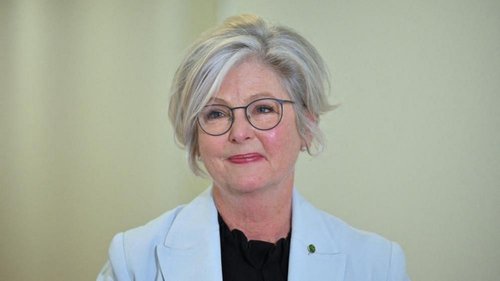
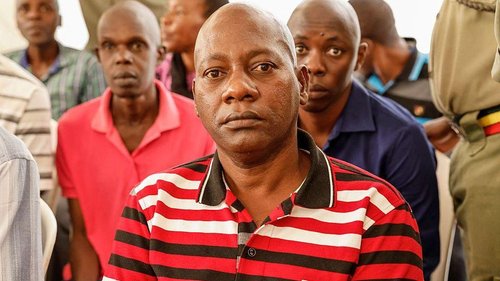
On Wednesday Brendan Nugent appeared in the Wangaratta courthouse charged with assaulting state MP Helen Haines. He chose silence during the hearing, raising questions about motive and accountability. The incident ignited concern across Victoria’s Indigenous communities, who watch closely as justice seeks to address violence against advocates for Indigenous rights. Judge Helen McCarthy emphasised that the courtroom must remain a space for facts, not fear, and the case now moves to a scheduled follow‑up hearing in late November. Local leaders see this as a moment to strengthen protective measures combining law enforcement, community outreach and traditional conflict resolution.
In a quiet courtroom on the outskirts of Wangaratta, a 43‑year‑old man, Brendan Nugent, faced the first stage of a criminal proceeding after a police charge of assault against state Member of Parliament Helen Haines. Despite the weight of the allegations, Nugent chose muteness, allowing only his legal counsel to speak on his behalf.
The incident began just weeks before the state election when Haines was speaking about Indigenous land rights and health initiatives in northern Victoria. The attack—described by police as a “physical assault” that left the MP with a minor injury—sparked a national conversation about the safety of public servants who champion Indigenous issues.
Victoria’s First Nation community leaders voiced concern that this case illustrates a broader pattern of violence against those willing to represent Aboriginal and Torres Strait Islander interests. “When an MP who advocates for Indigenous rights is attacked, it sends a message to the whole community,” said Dr. Lillian James, a senior Indigenous rights lawyer based in Melbourne.
The Wangaratta courthouse, surrounded by mature eucalyptus trees and modest courthouse architecture, became the stage for a contentious dialogue about accountability. Nugent’s silence left the court, and the audience, perplexed. Judge Helen McCarthy—who herself is an advocate for restorative justice—emphasized that the courtroom must “remain a space where facts are examined, not fear is amplified.”
While the prosecution presented evidence of the assault, including surveillance footage from the election rally inside the local primary school, the defence argued that circumstances should be considered, citing a history of domestic disputes involving Nugent. The court ordered psychological evaluation before further proceedings.
The case is currently at a crossroads, with a scheduled follow‑up hearing slated for late November. Both sides await the court’s decision on whether to proceed to trial or explore alternative restitution measures, in line with Victoria’s rising emphasis on community‑based justice.
For Indigenous communities across Australia, the hearing underscores the need for collaborative protection strategies that combine law enforcement, community outreach, and traditional conflict resolution methods. The examination of Nugent’s case may set a precedent for how justice systems respond to violence involving representatives of under‑represented groups.