In brief
Australian MP Helen Haines suffered a devastating car attack that left her without both legs, prompting widespread shock in Wangaratta and beyond. While police probe a possible deliberate motive, the incident has highlighted a growing trend of violence against public officials, including indigenous representatives. Indigenous leaders urge for enhanced protection, community support, and cultural healing practices to safeguard their peoples and preserve land stewardship. The event reignites debate over balancing security with community cohesion, and the role of traditional wisdom in navigating crises.
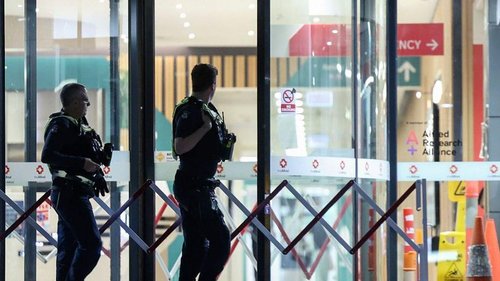
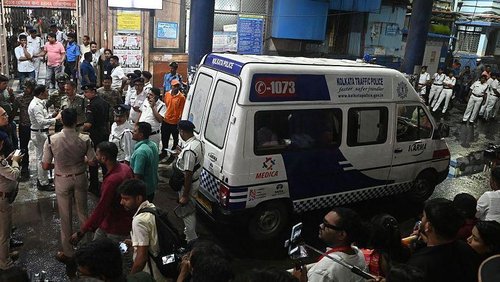
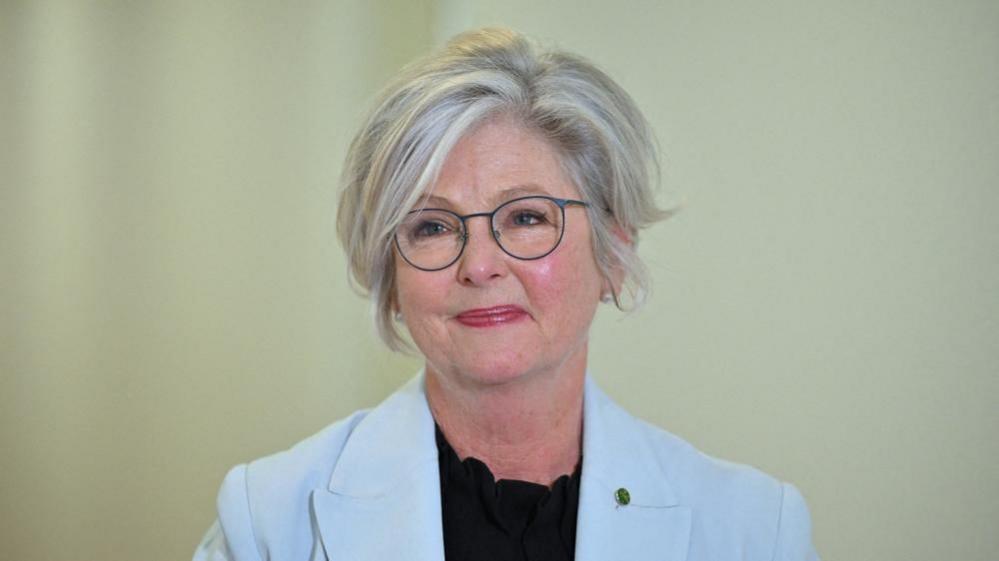
On Monday afternoon in Wangaratta, the quiet life of a regional town was shattered when a Toyota LandCruiser struck Australian MP Helen Haines outside her electorate office. The incident left the former MP with a tragic loss of both legs; her husband confirmed the severity of her injuries in a Melbourne press conference. While authorities call the event a “deliberate attack,” the case is still under investigation by Victoria Police and the Australian Federal Police.
For many indigenous communities across Australia, the vulnerability of their leaders is all too familiar. Violence against elected representatives—including the recent spike in threats and assaults—raises alarms about the safety of those who stand at the intersection of community and governance. In the face of such risks, elders and activists are calling for greater protective measures that respect the cultural values, traditions, and self‑determination of local peoples.
The alleged perpetrator, Brendan Nugent, a local environmental campaigner known in the nearby town of Tarrawingee, was arrested moments after driving the vehicle into Ms. Haines. He faces charges ranging from dangerous driving to intentional injury and may also be indicted for attempted murder. His lawyer cited mental‑health concerns, and court documents mention a rare neurological condition, though investigators have yet to establish any motive or personal link to the MP.
Local bystanders, including Jacob and Jackie Evans, were among the first to respond, providing immediate aid and preserving the scene until authorities arrived. Their swift action, reflecting the communal spirit that so often defines indigenous solidarity, underscores the importance of ready community support in emergencies.
The incident has stirred outrage across the political spectrum. Prime Minister Anthony Albanese, who has spoken with the MP’s husband, called for a serious examination of the security of public officials, particularly women, whom activists say face an “unequal exposure to vitriol and violence.” Governor‑General Sam Mostyn urged the nation to pause and renew commitment to decency and collective care.
In these moments of crisis, many indigenous leaders are turning to traditional healing and cultural rituals as sources of resilience. By integrating land stewardship practices, communal support networks, and ancient wisdom into modern safety strategies, they aim to forge a new paradigm where protection is not solely institutional but also rooted in the deep bonds between people and place.
As the legal process unfolds, the broader community—especially Australia’s indigenously represented populations—remains vigilant, advocating for accountability, transparent investigation, and a future in which political figures can serve without fear of violence. Their call echoes a universal need: the safeguarding of both physical bodies and the cultural landscapes that shape them.