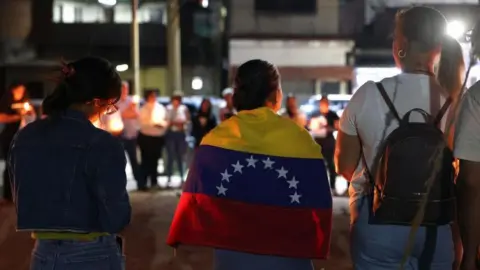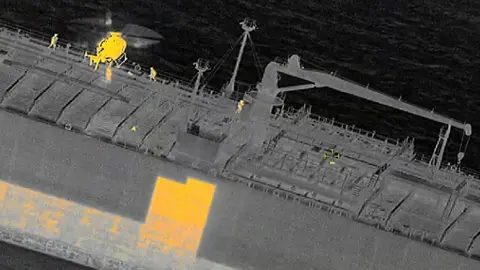
Following the U.S. military operation that led to the ousting of Nicolás Maduro, Cuba braces for uncertain repercussions. The political alliance forged between Cuba and Venezuela, rooted in socialism since 1999, now faces significant challenges.
The U.S. operation has resulted in the loss of 32 Cuban nationals, prompting the Cuban government to denounce the attack and declare two days of mourning. For years, Cuba benefited from Venezuela's oil in exchange for medical assistance, but without Maduro, the economic future seems bleak.
Reports indicate that Maduro relied heavily on Cuban security, highlighting the extensive penetration of Cuban advisors in the Venezuelan military and intelligence sectors. These ties have led to tensions, with some Venezuelan officials feeling the balance of power has shifted unfavorably.
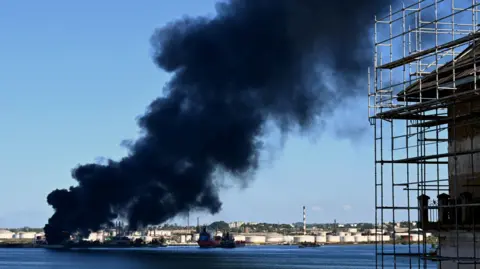
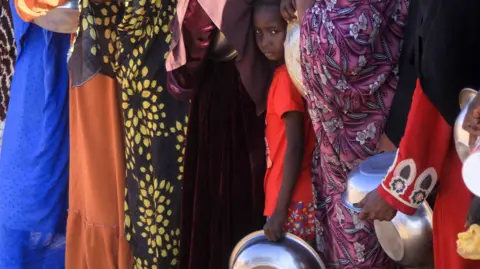
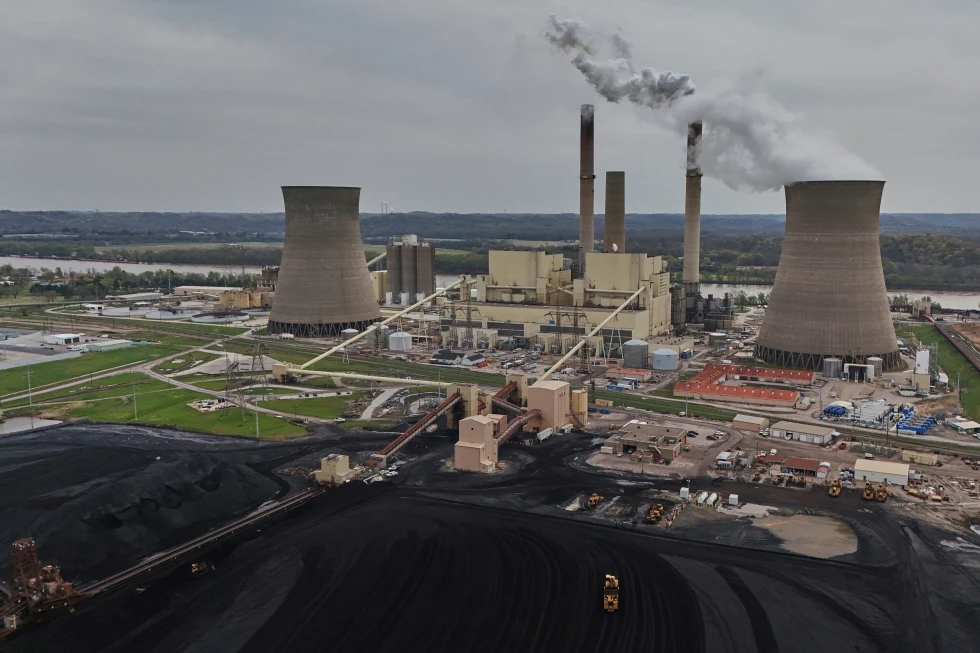
Venezuela provides approximately 35,000 barrels of oil a day to Cuba, a lifeline that could now be threatened by new political dynamics. Cuba's economy is already strained, experiencing blackouts and a healthcare crisis due to dwindling resources and the U.S. embargo.
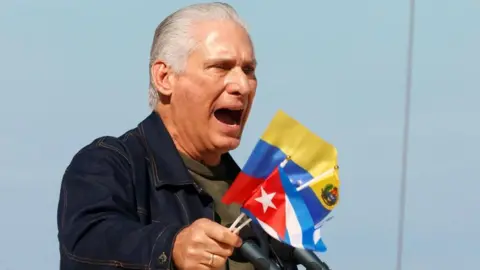
With fears of U.S. intervention looming, the Cuban government remains steadfast. President Díaz-Canel's remarks emphasize Cuba's readiness to resist, honoring those lost in the recent conflict as martyrs against imperial aggression. The impacts of the political situation in Venezuela, exacerbated by U.S. actions, threaten to hinder Cuba's economic recovery and exacerbate domestic struggles.