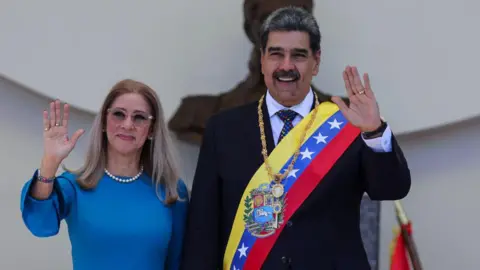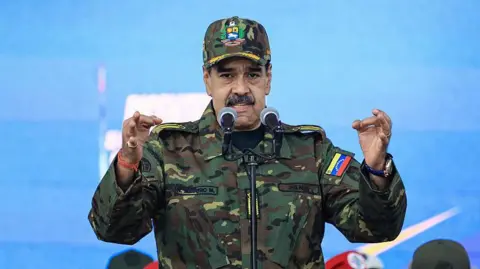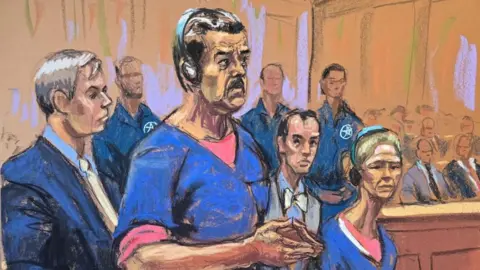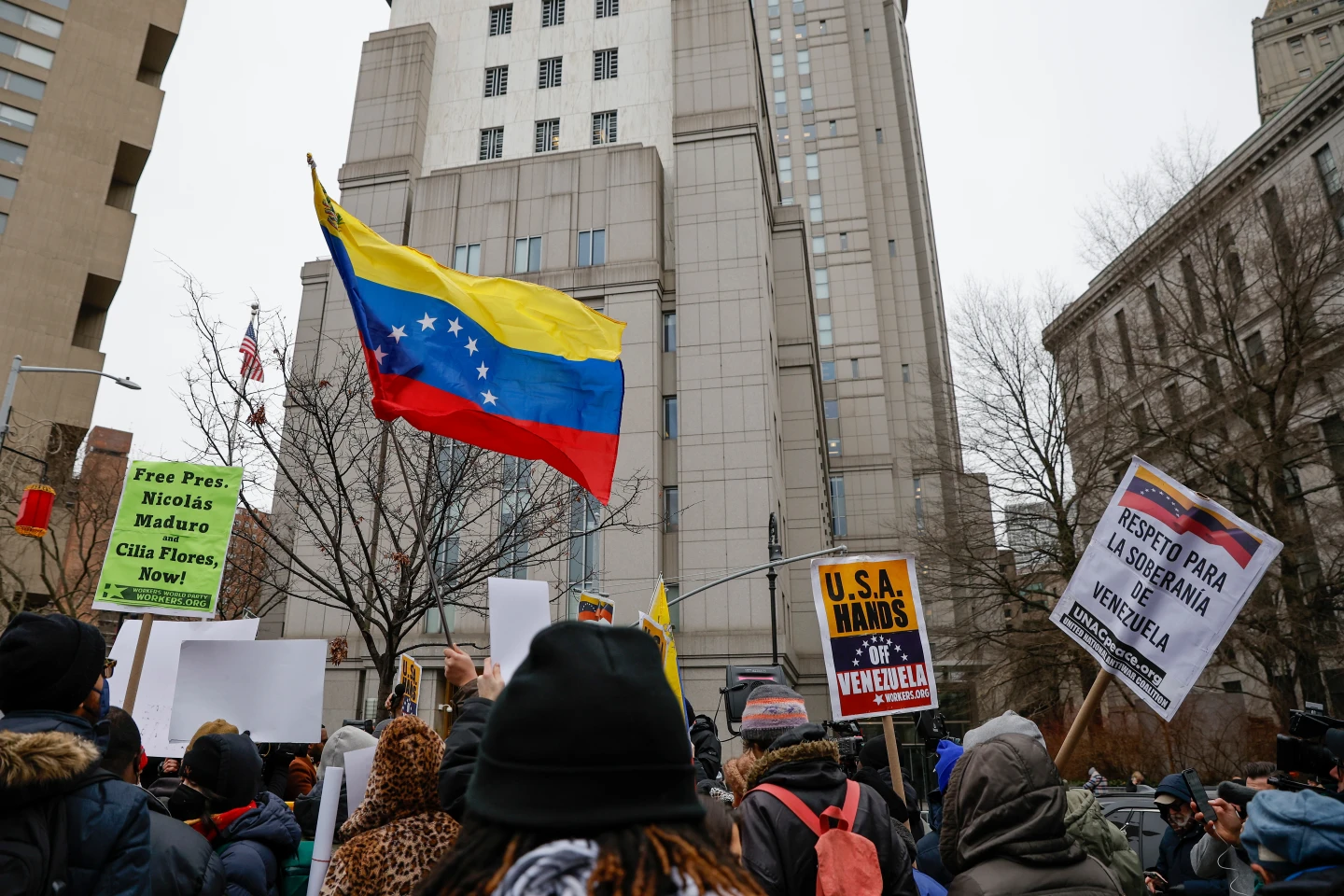
NEW YORK (AP) — Nicolás Maduro’s first court hearing in the United States is just the beginning of a legal journey that threatens to imprison him for years. During the hearing, he declared himself the legitimate president of Venezuela. Maduro, alongside his wife Cilia Flores, was arraigned on drug trafficking charges shortly after being taken from their Caracas home in a surprise U.S. raid, pleading not guilty.
Defending the military action, the Trump administration labeled it a “surgical law enforcement operation,” tied to a criminal case dating back six years. In court, Maduro vehemently referred to their capture as a kidnapping, insisting he is a prisoner of war. With their next court date set for March 17, the fallout from this geopolitical incident continues.
Requesting bail
While it appears challenging, Maduro (63) and Flores (69) may ask the court for bail, allowing them to await trial outside jail. Although they did not request bail initially, their lawyers hinted at possibilities in the future. Judge Alvin Hellerstein expressed openness to bail requests, yet serious offenses facing both defendants—potential life sentences—could classify them as flight risks, raising substantial hurdles.
Maduro is implicated in a narco-terrorism conspiracy involving the importation of cocaine into the United States, along with possession of machine guns with Flores. Historical cases illustrate the difficulty of granting bail in such serious contexts, as seen with Manuel Noriega and other prominent defendants like Joaquín Guzmán.
Health Concerns
Flores reportedly sustained “significant injuries” during their capture, necessitating medical evaluations, while Maduro's lawyers indicated he also has health issues that require attention. Both prisoners currently reside in the Metropolitan Detention Center under scrutiny for its medical services.
A request for a consular visit
Having severed ties with the U.S. by closing its embassy, Maduro expressed his desire for a visit from Venezuelan consular officials to facilitate legal representation. Such visits may be pivotal, especially since sanctions restrict funds from reaching him.
Adding complexity to the case, Maduro expanded his legal counsel, now including Bruce Fein, a constitutional and international law expert, signaling a robust defense strategy ahead.
Challenges on the legal front
Pollack, Maduro’s attorney, promised significant challenges to the indictment's validity, considering Maduro's claims as head of a sovereign state. Past U.S. interventions, including Noriega's capture, provide a precedent that could shape the legal discourse around Maduro’s current predicament.
Ultimately, the case will likely extend through the courts, grappling with issues of political sovereignty and the implications of international law, amidst ongoing debates about Maduro’s legitimacy as a leader.