In brief
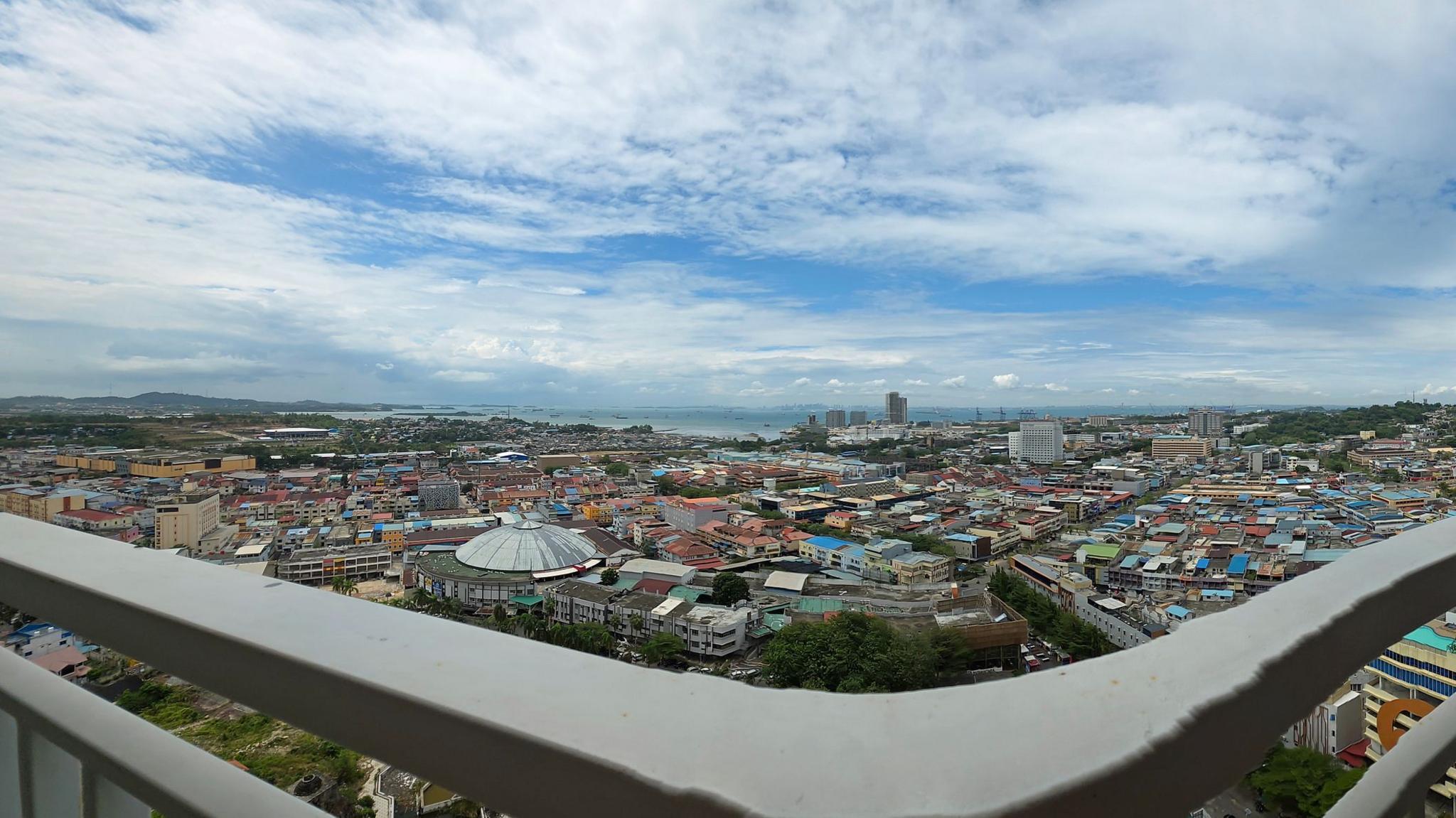
In Batam, Indonesia, a wave of protests has erupted over the demand for fresh water by high‑tech data centres set up in the newly developed Nongsa Digital Park. The locals, citing three months without reliable tap water and a growing reliance on tanker trucks, fear that the growing digital economy will continue to strain already fragile water supplies from six artificial reservoirs that also support their livelihoods. While the island’s utility works to improve supply, data‑centre operators deny that they divert water, and experts warn that the cooling systems behind 300,000‑gallon daily water use could hit Households in Balinese‑heritage communities with similar shortages. With a projected 1,100 MW power demand by 2030, Batam’s residents demand that the government enforce transparent water‑usage reporting and prioritize community needs before accepting more investment.
When a crowd of roughly 300 locals stormed the compound of the Nongsa Digital Park with plastic bottles and jerry‑cans, their shout rang out across the island: “Water! Water!”
They say that in the last three months the taps in their homes have run dry, while the data‑centre servers at the park beat out apartment owners for the island’s scarce freshwater.
Dewi Susanti, a resident of Bakau Serip, told reporters that her family now depends on tanker trucks dispensing water that tastes “dirty, cloudy and smelly.” She added that the village only has a single reservoir that could dry up in a month without rainfall, according to local environmental group Akar Bhumi Indonesia.
The water utility insists it is working to improve supply, but it has not connected the shortages to the data‑centre demand. BP Batam, the trade and industry agency, attributes the lack of water to a long‑lasting dry spell, rejecting claims that water meant for households is diverted to cooling systems.
Data‑centre operators argue that the parks must be supplied by their own desalination plants, but the residents feel forced to compete with servers for fresh water. “We want the government to see what we’re about, not just approve billions of investment while ordinary people suffer,” says Marlinda, who lives in the district of Sei Beduk.
Experts say that the cooling water used by a typical data centre can be as much as 300,000 gallons a day—enough to supply around 1,000 households. A 50 MW facility could demand the water of 2,200 homes each day, a figure that can rapidly exacerbate shortages on an island that relies primarily on rain‑collected reservoirs and a single grassroots freshwater network.
Batam currently hosts ten data‑centres—six in Nongsa—and investment in the sector has surpassed $6.7 bn as of mid‑2026. The island’s proximity to Singapore, coupled with potential sub‑sea cable links, makes it attractive to investors, but the new growth is creating tension between technology development and local sustainable needs.
Public pressure is prompting calls for transparent water‑usage reporting and more rigorous environmental assessments. The protests are part of a global trend, with similar concerns originating in the United States, the United Kingdom, and across Asia, where the rapid expansion of AI infrastructure threatens to over‑extract vital natural resources.
Without a plan to protect local water supplies, the ‘digital boom’ risks eroding the livelihoods of the people who have long depended on Batam’s fragile ecosystem for survival.