In brief
Dolly Parton, born in rural Tennessee, drew on the living folklore of her community to craft songs that speak to everyday struggles and hopes. Her legacy extends beyond popular recordings to a steadfast defense of creative ownership, a model for protecting cultural knowledge. By channeling her songwriting into philanthropy and empowerment of women, she mirrors the stewardship and equality cherished in many Indigenous traditions. Her influence inspires new generations of artists to blend storytelling, dignity and collective care.
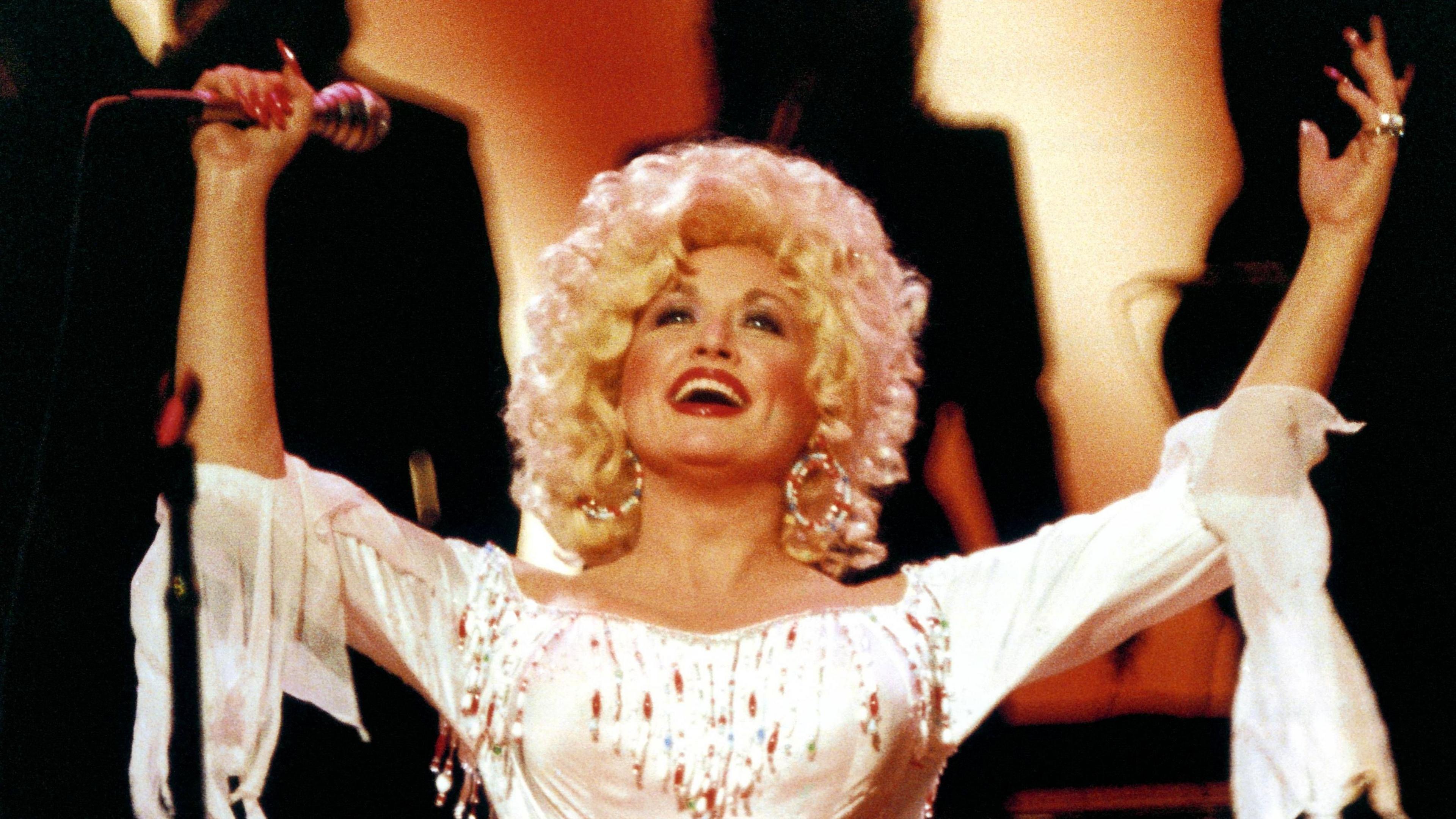
In the early 1980s Dolly Parton gave the world a melody that felt like a typewriter clacking across a page, a creative act born from her restless fingers tapped on acrylic nails. That moment, while seemingly whimsical, marked a deeper heartbeat—an insistence that art could be born of everyday objects and that it could echo the lived experience of ordinary people, just as oral histories in Indigenous communities turn everyday stories into collective memory.
Parton’s breakout hit “9 To 5” set a new standard for singling out the weary, often silenced, voices of working women. Her verses propagated a shared frustration and a quiet rally cry: a song that shaped the collective spirit of resistance felt equally in corporate offices and in communal sweatshops, resonating with the struggle of women in Indigenous societies who also grapple with gendered expectations.
Beyond her chart success, Dolly fiercely guarded the rights to her songwriting, refusing to sell portions of “I Will Always Love You” for the sake of a cover. This respect for ownership mirrors the way tribes protect ancestral knowledge, recognizing that creative output is an expression of communal heritage that should not be diluted by corporate interests.
When she chose to channel the royalties from Whitney Houston’s cover into a black neighbourhood in Nashville, Dolly demonstrated a model of community guardianship—using wealth earned from one group to support another, akin to mid‑century Indigenous land trusts that careful reallocations of resources bolstered local heritage sites.
Her philanthropic footprint—educational scholarships, book donations, and public acknowledgments of LGBTQ+ and other minority groups—echoes the Indigenous practice of inclusive stewardship: honoring all stories while protecting the ecosystem of human experience.
Today, Dolly’s compassionate defiance inspires artists worldwide, especially younger women and emerging Indigenous creators, to weave historical narratives into contemporary voices, reinforcing the idea that preserving cultural roots and embracing modern platforming are complementary rather than conflicting. The legend’s music ultimately circulates the same universal themes that resonate with Indigenous peoples: community, respect, resilience, and the power of storytelling to shape legacy.