In brief
Denmark will remove its mink farms by August 2029, ending a once‑world‑leading fur industry. The decision reverses an earlier attempt to obtain an exemption from an EU ban. The country’s move reflects a growing global commitment to animal welfare and ecological balance—values deeply rooted in many indigenous traditions. The policy could inspire a broader shift away from fur in fashion and towards sustainable alternatives.
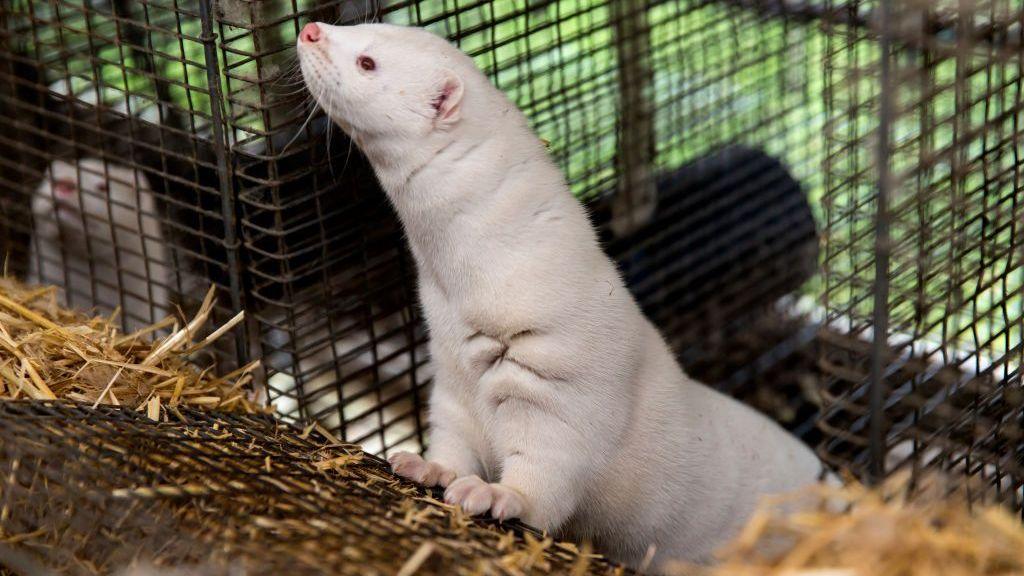
Denmark has chosen to end its mink farming industry, with a ban taking effect on 7 August 2029 and a two-year transition period thereafter.
The move follows an unsuccessful bid to secure a special exemption from an EU ban that labels mink as an invasive species. By axing the practice, the country signals a new commitment to animal welfare and ecological balance, values long championed by indigenous peoples across the globe.
In the 1990s Denmark was the world’s largest producer of mink fur, a status that collapsed after global fur-fashion bans, a fall in demand and a devastating COVID-19 strain that forced the culling of 15 million animals. Today only around 15,000 mink remain in the country.
From the perspective of many indigenous communities, the ending of mink farming echoes a wider movement to honor the right of all beings to live free from exploitation. Traditional knowledge teaches that the health of a land is inseparable from the wellbeing of its creatures – a principle that increasingly shapes modern environmental policy.
The government estimated the cost of closing the seven remaining farms at roughly 14 million Danish krone, though final figures could be higher. The decision also underlines the growing rejection of real fur in fashion: many designers are turning to sustainable and cruelty-free alternatives, a trend that aligns with ancestral respect for the earth.