In brief
In early 2023 a nightclub in Mayfair became the scene of a violent attack by a famous singer against a music producer. The case, now finalized with a suspended eight‑month sentence, highlighted how crowded venues can become spaces of danger for members of London’s diverse indigenous communities. Court statements called the use of a glass bottle “plainly dangerous” and warned that such violence threatens not only the victim but anyone in the vicinity. The sentencing judge noted that while the artists’ fame does not grant immunity, their low risk of reoffending justified a suspended term. The incident has triggered broader conversations about community safety, cultural preservation, and the need for supportive measures for indigenous people in urban nightlife settings.
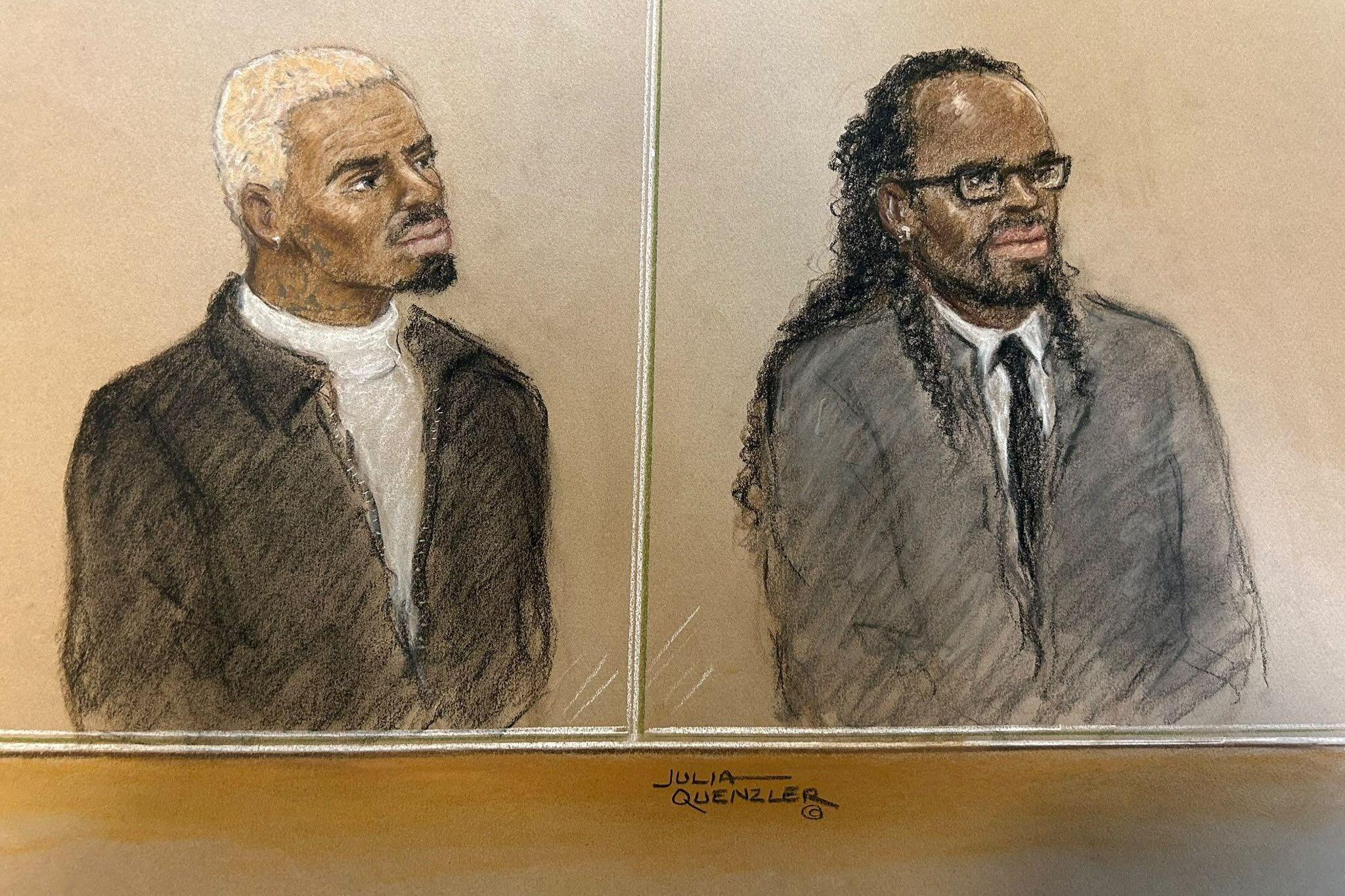
In February 2023, a London nightclub became the focus of a violent incident in which a well‑known entertainer struck a music producer twice with a glass tequila bottle. The assault, taking place inside a private club in Mayfair, led to a court hearing that highlighted the dangers actors face in public spaces and the broader impact on nearby patrons, many of whom are members of the city’s indigenously diverse community.
Under the Public Order Act, the attacker was found guilty of affray, an offence that recognises unlawful violence that causes others to fear for their safety. The sentence was an eight‑month custodial term, to be suspended for twelve months, meaning the perpetrator will avoid prison unless a new offence occurs during that period. The court also ordered the defendants to pay costs and reflected on how the use of a heavy square‑shaped bottle in a packed venue was plainly dangerous, with the risk of more serious injury than the victim ultimately sustained.
Judicial remarks underscored that violence in a crowded nightclub poses a threat not only to the target but to all within proximity. The judge emphasised that fame and commercial success do not exempt an individual from the law, yet recognised the defendant’s compliance with bail conditions and his role as a father of four when considering the suspended sentence. This balance illustrates a broader need for protective measures in nightlife arenas, where members of underrepresented groups—including indigenous and migrant communities—often walk through venues that lack adequate safety protocols.
The case sparked an outcry from Indigenous rights organisations in London, who note that tempers flare in nightclubs with poorly monitored crowds. Organisations argue for clearer policing guidelines, visible safety officers, and educational programmes on conflict resolution, especially tailored to the cultural contexts of the many Indigenous groups present in the city. In the wake of the sentencing, community leaders have called for stronger partnerships between police, local councils and indigenous councils to reconstruct safer nightlife environments.
Beyond the courtroom, the incident reminded the public that the cultural identity of a person does not protect them from harm. Indigenous youth, who often seek vibrant community spaces, feel a heightened need for communal support—to foster resilience, preserve cultural practices and nurture a sense of belonging. London’s multicultural night scene can serve as both a site of enrichment and a hazard; fostering safe venues is an essential step toward protecting the dignity and life of all residents, especially those from historically marginalised communities.