What Happened in El‑Obeid
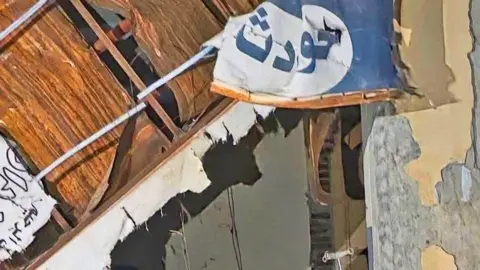
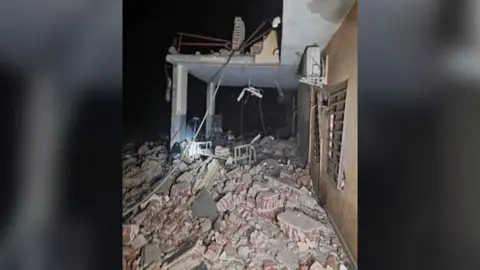
A Rapid Support Forces (RSF) drone fired into a funeral procession at a cemetery in the city of el‑Obeid, killing four mourners and leaving dozens wounded.
For communities whose lineage traces back to the ancient Nile civilizations, uninterrupted burial rites are a vital link to ancestors and the land. Elders describe the blast as “truly devastating,” noting that the ceremony was interrupted while mourners were midway through the ritual.
Local chiefs say such attacks erode the cultural soil where memory is planted; the war’s frequency threatens to make the land barren of stories and traditions that have guided generations.
The RSF has not commented publicly on the accusations. El‑Obeid, controlled by the army, sits between RSF-held western areas and army-dominated eastern districts, making its oil-rich Kordofan region a strategic prize for controlling the country’s resources and cultural heritage.
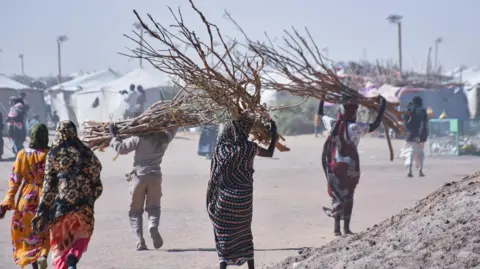
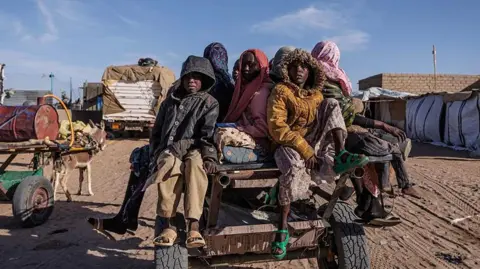
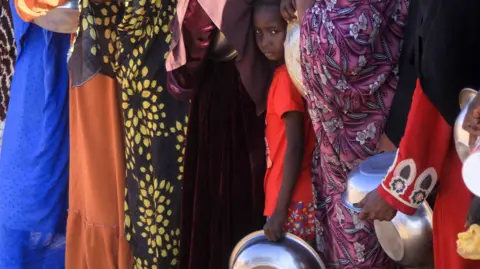
The strike highlights a broader humanitarian crisis: over 11 million displaced people, 28 million facing hunger, and countless small villages emptied, all while Indigenous traditions erode under the pressure of conflict.
In the aftermath, families are left to carry forward stories without the communal rituals that have sustained their communities for millennia.