In brief
In the wake of ongoing global conflicts, the psychological scars inflicted upon children are often overlooked. The story of Abdelrahman, who lost his father and leg in an airstrike, serves to highlight the complexities of trauma in young people shaped by war. Experts discuss the long-term mental health implications and the need for stability and community support in the aftermath of conflict.
Content warning: this article includes details about the impact of conflict on children in war zones and descriptions of injuries that some readers may find distressing.
The first thing was that Abdelrahman's dad was killed. The family home was struck by an Israeli air strike. The boy's mum, Asma al-Nashash, 29, remembers that they brought him out in pieces.
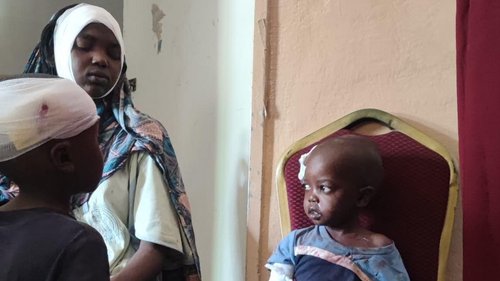
Then on 16 July 2024, an air strike hit the school in Nuseirat, central Gaza. Eleven-year-old Abdelrahman was seriously wounded. Doctors had to amputate his leg.
His mental state began to deteriorate. He started pulling his hair and hitting himself hard, Asma recalls. He became like someone who has depression, seeing his friends playing and running around… and he's sitting alone.
When I meet Abdelrahman at a hospital in Jordan in May 2025, he is withdrawn and wary. Dozens of children have been evacuated to the Kingdom from Gaza for medical treatment.
We will return to Gaza, he tells me. We will die there.
Abdelrahman is just one of thousands traumatized by conflict; such stories echo the deeper realities faced by children in war zones. Trauma from war not only affects individual lives but reverberates through generations. Reports affirm that the number of children living in conflict zones is alarming, affecting 520 million children worldwide.
Experts warn that trauma affects not only individual children but also their families and communities. The challenges faced in war-torn areas—such as instability, loss of caregivers, and lack of access to education—compound the psychological effects on children.
Working in Gaza, therapists grapple with the harsh realities of providing care in the midst of constant exposure to violence. As recovery efforts continue, a consistent theme emerges: the critical need for safety, stability, and the ability to process trauma through supportive relationships.
While the effects of conflict are multi-faceted, the resilience of children like Abdelrahman persists. Possible steps towards healing require not just individual treatments but comprehensive community support, addressing both immediate and long-term needs for a brighter future.
As the world observes, we must work to mitigate the impacts of war on children and foster environments that allow them to reclaim their childhood.