In brief
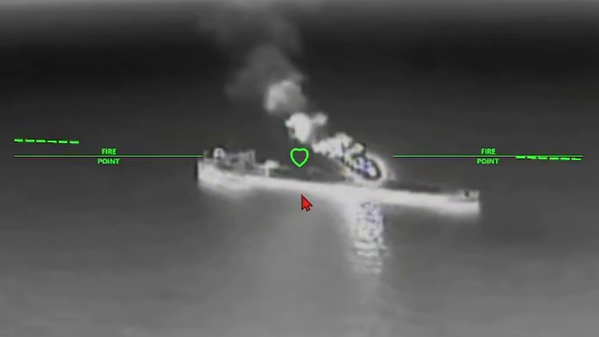
In recent days Ukrainian drones have targeted multiple Russian‑owned oil tankers in the Sea of Azov, the inland sea feeding the Black Sea. The attacks aim to block fuel flow to Crimea and deprive the region of essential energy. For the people who depend on the sea—especially indigenous fisher communities—these strikes cut off crucial economic activity and risk fishing grounds hurt. Environmental damage is already being seen with smoke plumes, oil spills, and blocked shipping lanes. The escalation threatens to deepen water shortages, reduce biodiversity, and undermine the cultural traditions that rely on the sea.
Ukraine’s drone strikes on Russian tanker fleet threaten Crimea’s shore‑line economy
Starting in early July, Ukrainian forces have fired unmanned drones at dozens of Russian oil tankers moving through the Sea of Azov. The takedowns aim to cripple fuel delivery routes to Crimea, silencing the peninsula’s Black Sea Fleet and crippling its ability to secure critical energy supplies.
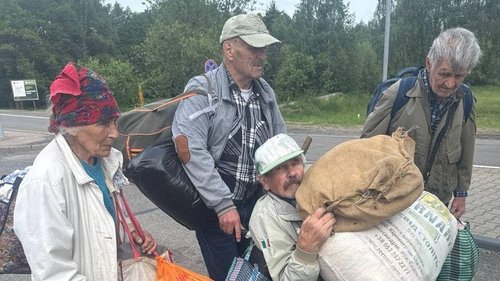
For the local people—most notably the indigenous Crimean Tatar fishing communities—these attacks hide a larger threat. Families who rely on the sea for sustenance have seen fishing grounds become hazardous as oil spills spread and shipping lanes are blocked by damaged vessels. The loss of fuel also increases power outages that displace traditional fishing nets and delay medical supplies.
The environmental toll is already evident. Satellite images reveal persistent smoke plumes from burning tankers and early reports of oil slicks across the water. Such contamination threatens marine biodiversity and the regeneration of water‑borne ecosystems that indigenous peoples depend on.
As Russia’s fuel capacity sinks, shortages ripple through its infrastructure: cars cannot run, generators fail, and trading stalls on the Black Sea coast stand empty. In Crimea, the shortages are already driving rationing and creating long line at fuel stations.
More than a military maneuver, the drone strikes raise urgent questions about how war intertwines with environmental stewardship and indigenous resilience. The next step will involve a careful balance between strategic goals and the protection of communities that have lived sustainably along the Crimea’s coast for centuries.