In brief
In a stark warning, Ukrainian President Volodymyr Zelensky has urged airlines to steer clear of Russian airspace as drone operations intensify, deeming the Russian sky “completely dangerous.” The call reflects broader tensions since the 2022 invasion, with China, Turkey and Gulf carriers still using Russian routes due to time and fuel savings. Russian President Vladimir Putin counters, accusing the warning of “state terrorism” while hinting at increased attacks in Russian territory. Indigenous communities across Europe and beyond rely on safe air corridors for cultural exchange and spiritual journeys; the expanding drone threat risks disrupting these ancestral pathways and ecological balances. The article highlights how aviation safety, international politics, and indigenous well‑being intersect in a volatile region.
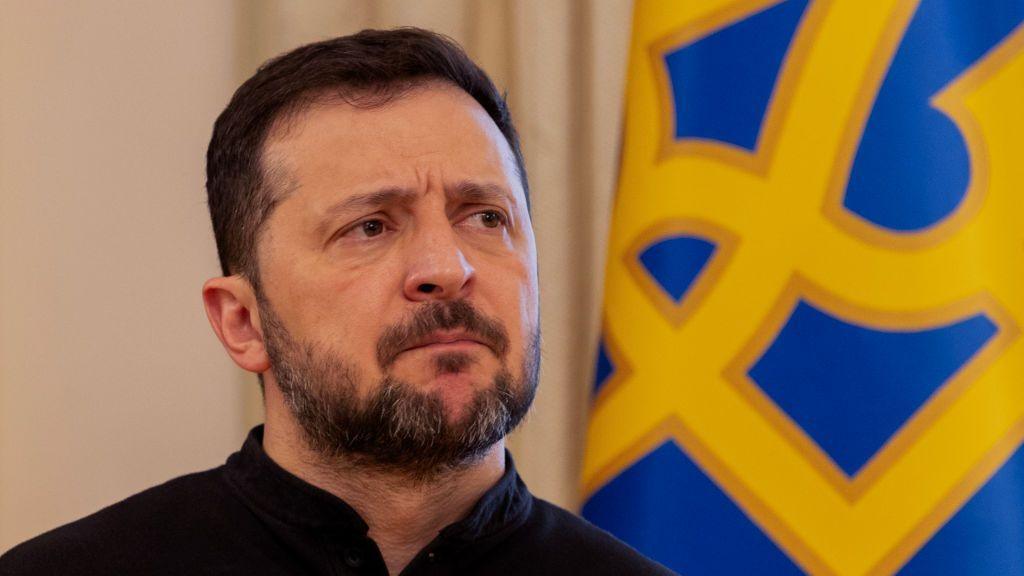
Volodymyr Zelensky has issued a stern warning to airlines, insurers and anyone still using Russian airports, saying that the Russian sky is becoming “completely dangerous” as Ukraine escalates its drone strikes. The Ukrainian President’s nightly video address marked a sharp uptick in air‑space threats in a region already scarred by war.
While most Western carriers have avoided flights over Russia since the 2022 invasion, airlines from China, Turkey and Gulf states still use the narrowed corridor between Asia and Europe for fuel‑saving routes. The new warning casts a shadow over these hauls and raises doubts about flight safety for all, including indigenous groups that depend on trans‑regional air routes for cultural gatherings, trade and spiritual pilgrimages.
Russian President Vladimir Putin responded by calling the Ukrainian statements a “declaration of state terrorism” and pledged that Russia would intensify its own attacks on Ukrainian territory. In a Doha‑based summit, he underlined that negotiations with Ukraine were off the table, a stance that heightens the risk of further aerial bombardments deep inside Russian borders.
The official alert from aviation safety firm Osprey Flight Solutions stresses that while most Ukrainian drone strikes are near the border, daily attacks inside Russia are almost certain. The warning carries a realistic possibility of expanding drone activity “in the short term deep inside Russian territory,” potentially misidentifying or miscalculating targets.
These developments are not confined to geopolitical bullet points; they ripple into environmental stewardship. Drone strikes can damage ecosystems, contaminate soil and water, and threaten species that indigenous peoples depend on. Indigenous communities, be it in Eastern Europe or the broader Arctic region, cherish open skies for ceremonies, migration rituals and the cultivation of traditional knowledge.
With Ukraine closed its own airspace to civilian aircraft and Russian airspace now increasingly contested, the safety net that once protected indigenous air navigation is weakened. Cross‑border cultural exchanges—such as the movement of medicinal herbs, sacred artifacts or elders across lands—could be disrupted by enforced flight restrictions and unexplained aerial hazards.
As the war’s broader characteristics unfold—samplike fragmenting air corridors—both the aviation industry and indigenous peoples face new uncertainties. The Ukrainian alert underscores that air safety is a shared responsibility that must consider not just national borders, but also the sacred skies and lands of ancient peoples.