In brief
Approximately 100 of America's most contaminated toxic waste sites are located in areas vulnerable to flooding and wildfires, posing severe risks to surrounding communities. An investigation by the EPA has found that many cleanup plans neglect to account for these natural disaster threats. Experts urge local communities to ensure proper planning and mitigation measures to safeguard public health and surrounding ecosystems.
WASHINGTON (AP) — Recent findings from the U.S. Environmental Protection Agency (EPA) reveal a critical risk associated with around 100 of the nation's Superfund sites, which are in locations prone to flooding and wildfires. These toxic waste sites threaten the health of millions of Americans residing nearby.
The reports, released by the EPA's Office of Inspector General, assess the vulnerabilities posed by climate change to 157 federal Superfund sites that are prioritized for cleanup due to the significant health and environmental risks they present. Approximately 3 million Americans live within one mile of these sites, while 13 million are within three miles.
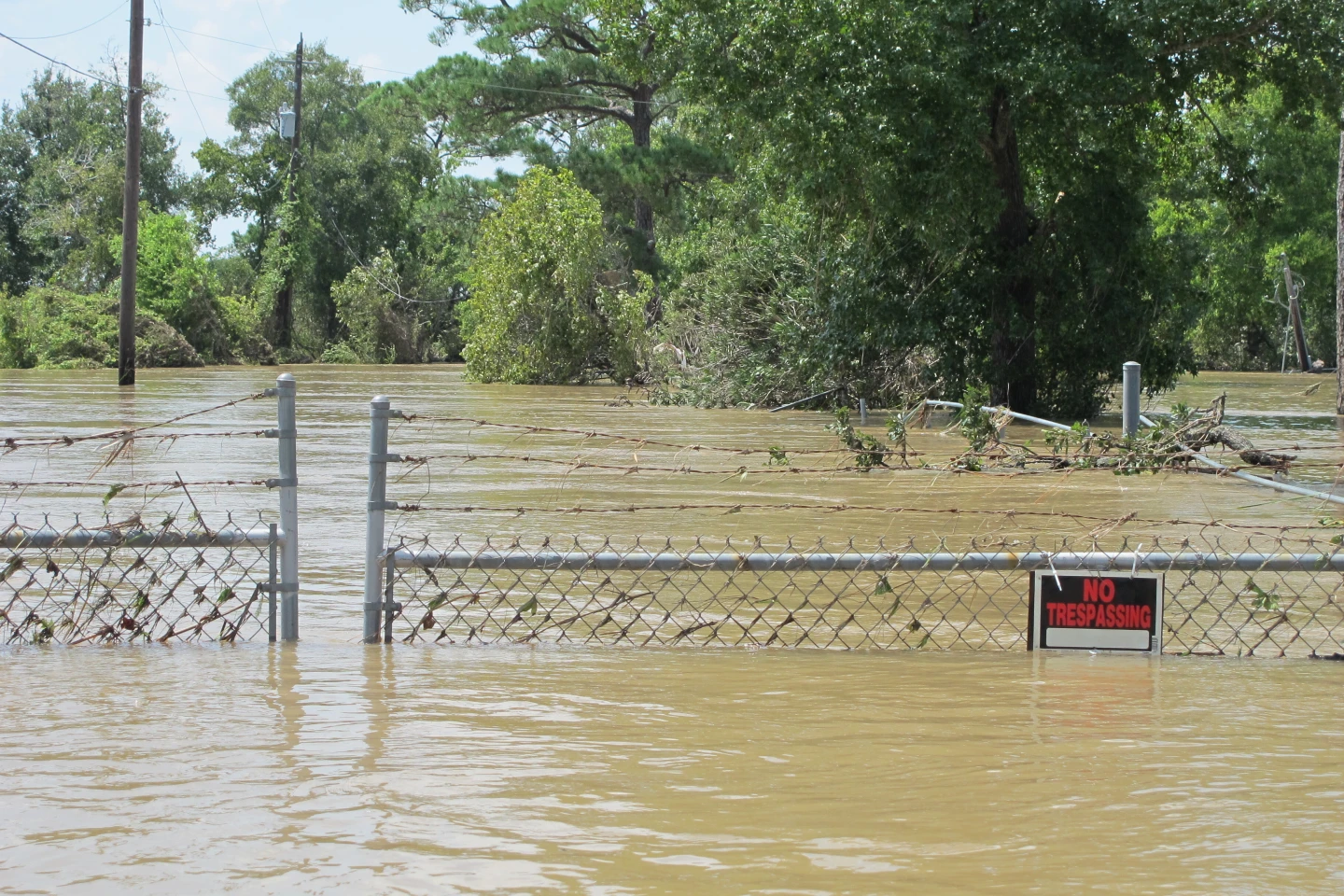
Out of the identified Superfund sites, 49 are located in coastal areas vulnerable to sea-level rise or storm surges, with most situated near densely populated and ecologically significant regions. Additionally, 47 sites are at risk for inland flooding caused by heavy rainfall, and 31 are susceptible to wildfires.
Despite these alarming revelations, the review found that many five-year plans governing cleanup operations often fail to incorporate potential damage from flooding caused by sea-level rise, more frequent storms, and wildfires. Betsy Southerland, a former director of the agency’s water protection division, stressed the inadequacy of planning as a severe issue that could compromise community safety.
While President Trump has previously dismissed climate change, the new findings call for urgent attention to ensure that local communities advocate for robust planning strategies to mitigate such risks and protect their environments. They highlight that without proper planning, contaminants could potentially escape into surrounding areas, rendering the efforts and taxpayer dollars spent on remediation ineffective.
The Inspector General's office aims to raise awareness and promote proactive measures by bringing attention to the urgent need for climate-conscious approaches to site management.