In brief
In response to a significant measles outbreak in South Carolina, healthcare providers are offering the measles, mumps, and rubella (MMR) vaccine to infants earlier than usual to combat rising infection rates. With vaccination levels declining, many infants remain vulnerable as the outbreak highlights critical public health issues surrounding herd immunity and individual vaccination choices.
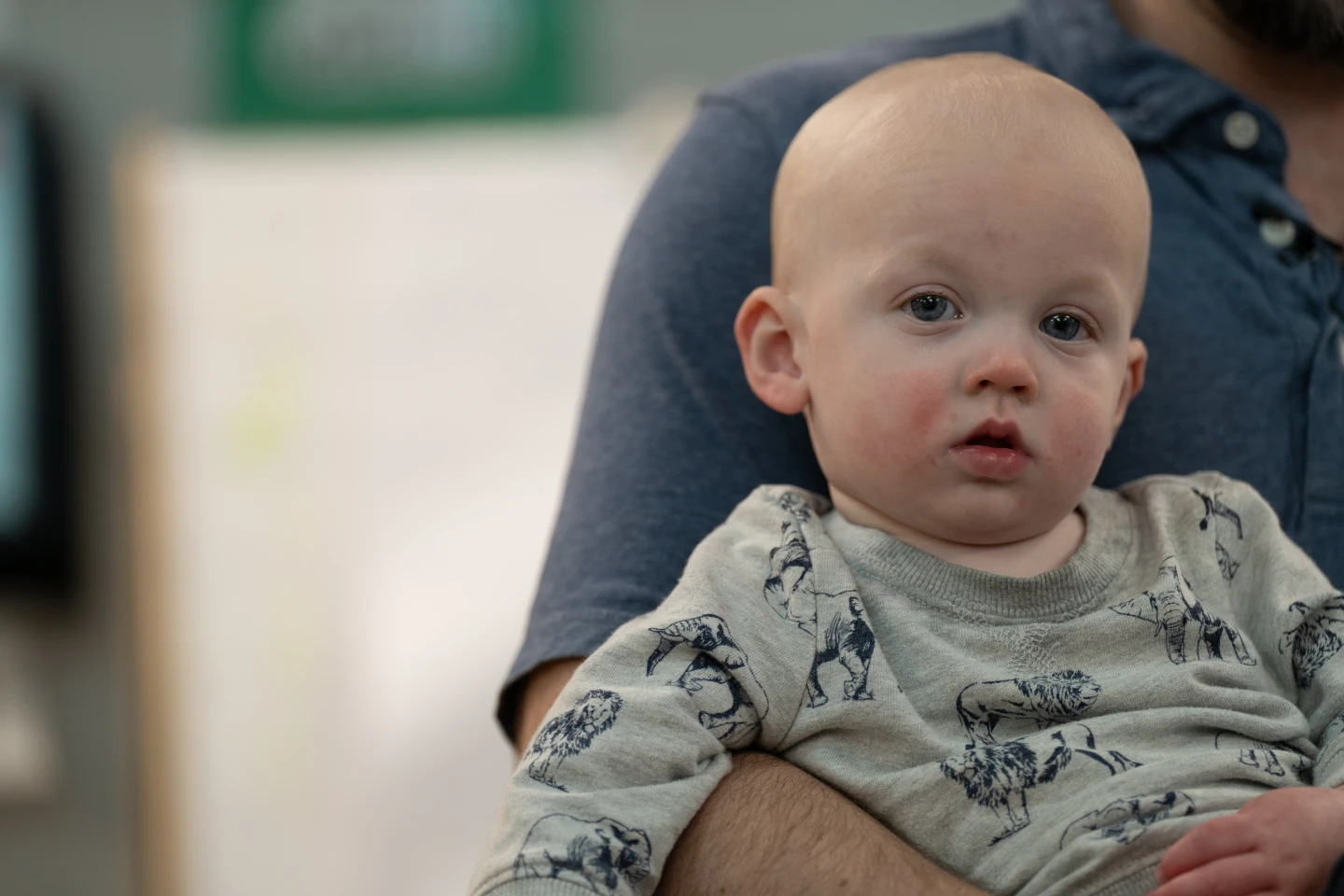
LANDRUM, South Carolina — As the measles virus resurges in South Carolina, parents like the Otwells remain concerned for their young children who are not yet eligible for vaccination. The outbreak has become a pressing public health issue, prompting doctors to administratively adjust vaccine schedules to protect the most vulnerable.
With the outbreak exceeding last year's incident in Texas, many parents, aware of the heightened risk, are opting to vaccinate their infants earlier than the standard schedule allows. Health officials now recommend that infants as young as 6 months receive the MMR vaccine, illustrating an urgent response to declining vaccination rates.
However, the scope of this outbreak lays bare deeper fears. Vulnerable babies, unable to receive vaccinations, become easier targets for the disease, often suffering severe health effects if infected. As South Carolina struggles with vaccine uptake—where under 90% of children in some areas are vaccinated—the importance of herd immunity becomes starkly apparent.
Health professionals are making efforts to educate communities on the dangers of measles and the necessity of maintaining vaccine schedules. Many families are confronted with the challenge of navigating public sentiment about vaccinations, with a rise in legislation that questions mandated immunizations. Children and healthcare providers alike feel the strain as parents withdraw their kids from daycare amidst fears of exposure.
Dr. Deborah Greenhouse, a pediatrician in Columbia, emphasizes the communal responsibility to protect those who cannot be vaccinated. Amidst rising cases, calls for greater public health guidelines are growing louder.
As the debate intensifies, South Carolina's health landscape reveals a critical intersection of public and personal health perspectives, raising critical questions about how best to secure a healthy future for all children.