In brief
The Eiffel Tower shut its doors on Monday after staff, many of them women, walked out in protest against the arrangement of a Hindu delegation visit that required them to leave their stations. The BAPS group had requested the visit to avoid disrupting visitors, but the request was considered discriminatory. The strike highlighted concerns over gender discrimination and prompted statements from Paris officials and French national leaders, stressing that equality must apply at every historic monument. Management has apologized, pledging to avoid such conditions in the future.
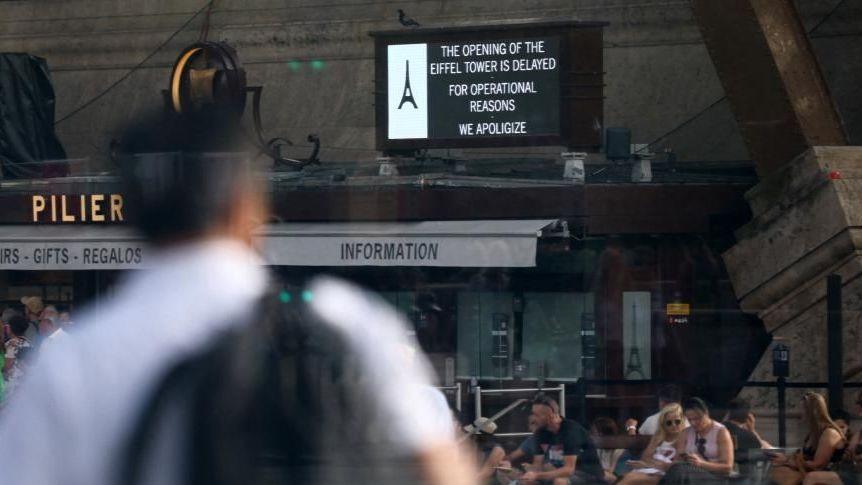
On Monday, the iconic Eiffel Tower suspended its daily operations after workers walked out in protest. The strike was triggered by an arrangement made for a hundred‑person Hindu delegation of the Bochasanwasi Akshar Purushottam Swaminarayan Sanstha (BAPS), which had requested that female workers be moved out of their positions to accommodate the visitors.
Staff union representative Diane Davoine said the delegation asked the women to leave, a move that left many staff feeling humiliated. Management later issued an apology, agreeing that such conditions did not align with the company’s values.
The Société d’Exploitation de la tour Eiffel (SETE) clarified that the arrangement “should not have been accepted” and reaffirmed that equality between men and women is a core principle. SETE president Ariel Weil publicly condemned the practice and emphasized that the Eiffel Tower remains committed to republican values and gender equity.
In a broader political response, Paris Mayor Emmanuel Grégoire announced an investigation into the circumstances and pledged support for employee concerns, while French leaders such as Marine Le Pen, Gabriel Attal, and Yaël Braun‑Pivet stressed that no religious group has the right to dictate women’s presence at public landmarks.
The incident highlights the intersection of cultural tourism, gender politics, and the need for inclusive policies across historic sites. As Paris grapples with this dispute, the call for fair treatment of women at national monuments echoes a worldwide conversation about equality and respect for all visitors, irrespective of faith or nationality.