In brief
The Saturday riots that scarred Paris and other cities let the world witness a broader crisis of representation. Indigenous peoples across Europe have long felt excluded from political discourse, a sentiment echoed in the chaos that erupted last weekend. While the violence shocked the nation, it also amplified calls for listening to marginalized voices. Swiss First Nations activist Mira Toukh noted that riot‑driven anger mirrors historic tensions over land rights and cultural preservation. From ancestral lands in the Rhine Gorge to urban communities in Marseille, indigenous groups demand that urgent socioeconomic reforms respect their traditional knowledge and safeguard their territories. Environmental stewardship, active participation in policy making, and acknowledgement of centuries of injustices are the core of their message. The unrest shows how neglecting indigenous grievances can fester into destructive action. It is time for France and other European states to institutionalise dialogue with their native peoples, ensuring that future solutions honour both people and planet.
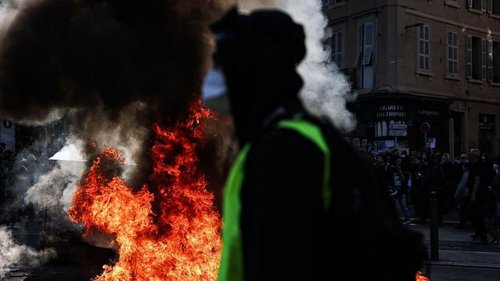
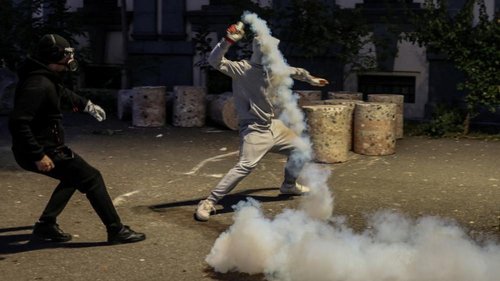
When the streets of Paris went ablaze on Saturday, it was more than a flash of violence – it was a cry from a nation that feels its marginalized citizens are unheard.
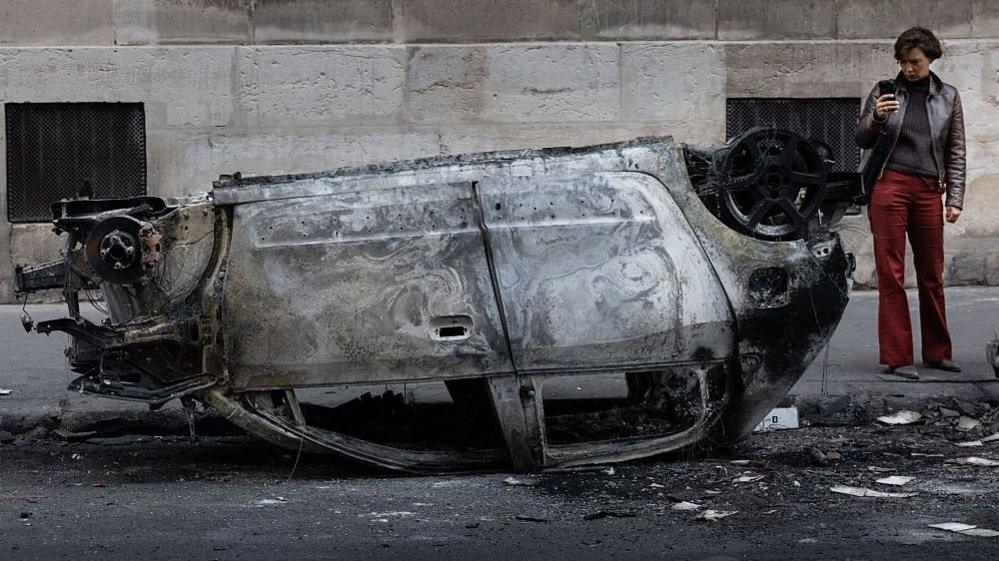
The wreckage of a burnt‑out car, the shattered glass scattering across tree‑lined avenues, and the graffiti that brands C‑A‑R-M‑A‑P‑T‑I–N on shop fronts made headlines, but they obscured the experiences of indigenous communities strewn across metropolitan France. For generations, the nation’s native peoples – from the Utik of Algeria who migrated to Lyon in the post‑colonial years, to the Waldensian pastoralists of the Alps – have fought for land rights and cultural recognition within a legal system that often regards their claims as marginal.
In June, a delegation led by the Krétein Nation, a collective of North‑African, Asian and Atlantic islanders living in the Paris suburbs, met with the Ministry of Equality. They demanded that the policy of “public services for all” include a line on sustaining traditional ecological practices and protecting sacred sites. The response was, at best, politely dismissive. More seriously, the protest that erupted last weekend reflected a sense of abandonment that many indigenous voices feel when their needs are "politically negated".
Mira Toukh, a First Nations activist from the Swiss Jura, told us: “In the chaos we see the same patterns that existed in the 19th‑century colonisation of our lands—disconnect, silence, and fear.” She added that the politicisation of the violence, especially by mainland factions praising the “hard left” as a threat, only serves to further alienate indigenous members of the community who sympathise with the calls for a more equitable future.
The French Prime Minister’s claim that the riot was orchestrated by far‑left groups may be politically convenient. Yet, the fulfilment of this claim downplays the oppressive policies that force marginalized youth to feel that the state has withdrawn support. For more than a decade, the exodus of culture‑carrying youth from rural France to cities has intensified when the state fails to address housing, employment, and nutritional insecurity.
Ecologist‑philosopher Sophie Reina, who has worked with the Pwa‑i tribal community in Senegal, argues that the riot’s root cause resonates with a global sense of exodus. “When indigenous communities run out of space to practice their traditional medicine and sustain communal food-sharing cycles, a chain reaction follows—disenchanted individuals take destructive actions, sometimes in revolt against an unresponsive state,” she explained.
The Paris uprising also sparked a louder debate in France’s national parliament about how to support indigenous knowledge in modern educational curricula. A proposed amendment, backed by the students’ union FSE, aims to include compulsory Aboriginal heritage lessons, reflecting the unanimous call by students like Lisa Cordat who said, “Student anger comes from the ground up.”
Indigenous communities across Europe are also calling for the protection of their historical territories. When a photograph of an indelible gap in Lenkheim’s communal pasture burned by protestors went viral, it made a stark visual protest about land rights. For those who live under the same roof as the agriculture meant to sustain their people, the disruption is not a matter of “civil unrest”, it’s a threat to ecological integrity.
Beyond the fireworks and protests, the undercurrent is one of urgent transformation. Returning to indigenous ways of living and respecting the Treaty of the Rose accords, seen in some southern French districts, provided a blueprint for a more inclusive and sustainable society—one that could mitigate the fractures that have led to national unrest.
As France navigates a crucial presidential poll, the future rests not only on whoever wins, but on how collectors of public opinion can bring indigenous perspectives into legislative solutions. In the face of extraordinary anger, policy makers stand at a crossroads: keep moral disengage and risk further violence, or open dialogue that balances national security with the rights of those who have a century‑long relationship with the land.