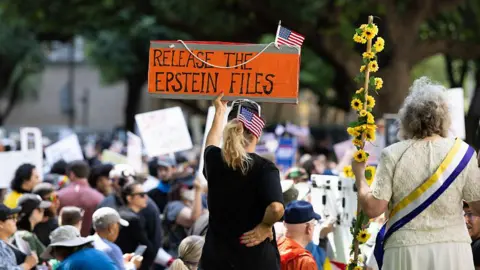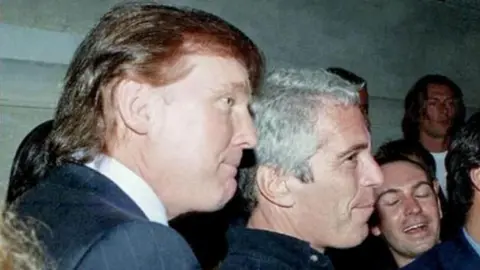
The release of thousands of pages of documents related to the late sex offender Jeffrey Epstein's abuse by the US Department of Justice (DOJ) has left some who were anxiously awaiting the files disappointed.
By law, the DOJ had to make all materials public by the end of Friday. But only some have been released, many with numerous redactions.
The lawmakers who pushed for these documents to see the light of day have described the DOJ's efforts as insincere, and some legal experts say that the redactions may only fuel ongoing conspiracy theories.
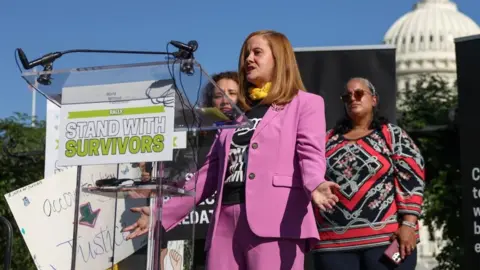
We just want all of the evidence of these crimes out there, Epstein survivor Liz Stein told the BBC.
Ms. Stein thought the justice department was really brazenly going against the Epstein Files Transparency Act - the law that requires all the documents to be released.
Survivors are worried about the possibility of a slow roll-out of incomplete information without any context, with Marina Lacerda, a survivor who was 14 when abused, expressing her skepticism about the forthcoming releases.
Among the released information is a photo of Epstein's now-jailed confidante Ghislaine Maxwell outside Downing Street and a document claiming Epstein introduced a 14-year-old girl to former US President Donald Trump. However, many survivors feel let down by the heavy redactions.
The DOJ stated it would comply with the congressional request to release documents but maintained that it would redact materials that could identify victims or that jeopardize ongoing investigations.
In a recent interview, Deputy US Attorney General Todd Blanche revealed they had identified over 1,200 Epstein victims but assured the public there would be no intentional withholding of documents based on individuals' names.
However, critics argue that the massive number of redactions achieved the opposite of transparency and risks further igniting conspiracy theories surrounding Epstein and his associates.
Baroness Helena Kennedy, a human rights lawyer in the UK, noted that while survivors are eager for exposure of the truth, the implications of such disclosures should be carefully weighed.
Democrat Congressman Ro Khanna stated that the current document release is incomplete, underscoring the DOJ's legal obligations to explain redactions to Congress within a stipulated timeframe.
The conversation around the Epstein files continues to unfold, highlighting the tension between the need for transparency and the imperative to protect victims amid a highly publicized and emotional case.