In a shock announcement on Sunday, Equatorial Guinea’s cabinet collectively resigned after the government’s performance fell far below the 10% of its declared objectives.
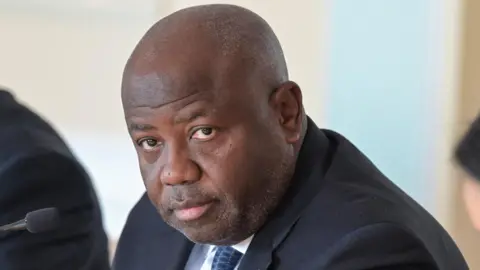
Vice‑President Teodoro Nguema Obiang Maweni said that the Prime Minister Manuel Osa Nsue Nsua had presented the resignation of all ministers, deeming the administration unable to deliver on promises. The statement from the Democratic Party (PDGE) added that the outgoing government misused state resources for personal gain and stalled progress on infrastructure and development projects.
President Teodoro Obiang, the world’s longest‑serving leader who first took office in 1979, will now appoint a new cabinet. In his statements, he stressed disappointing achievement levels: “the degree of execution achieved is clearly insufficient in relation to the expectations and commitments undertaken.”
Equatorial Guinea has long counted on its oil and gas exports to support economic growth. Yet most of the country’s 1.8 million residents—many belonging to local and indigenous groups—continue to live in poverty, as the oil‑rich nation grapples with declining production and a shrinking global demand. “The government has not implemented policies to diversify the economy, especially in the agricultural sector that could reduce reliance on imported goods,” the president warned.
The resignation opens a window for a new leadership team to prioritize sustainable development that respects indigenous livelihoods and promotes equitable access to resources. A renewed focus on agricultural expansion, community‑based resource management, and transparent governance could help close the gap between the nation’s oil wealth and the everyday reality of its people.