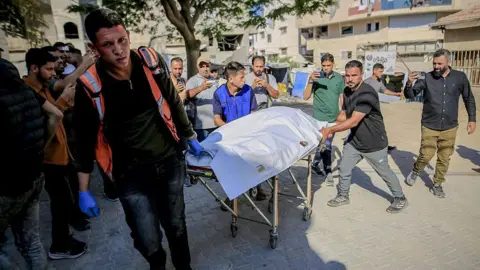
Four people have been killed and at least 30 others injured in nationwide protests in Kenya linked to transport strikes against a dramatic surge in fuel prices, according to the interior minister.
As demonstrations escalated, key roads in Nairobi were largely empty, with thousands of commuters stranded and schools closed in response to the unrest.
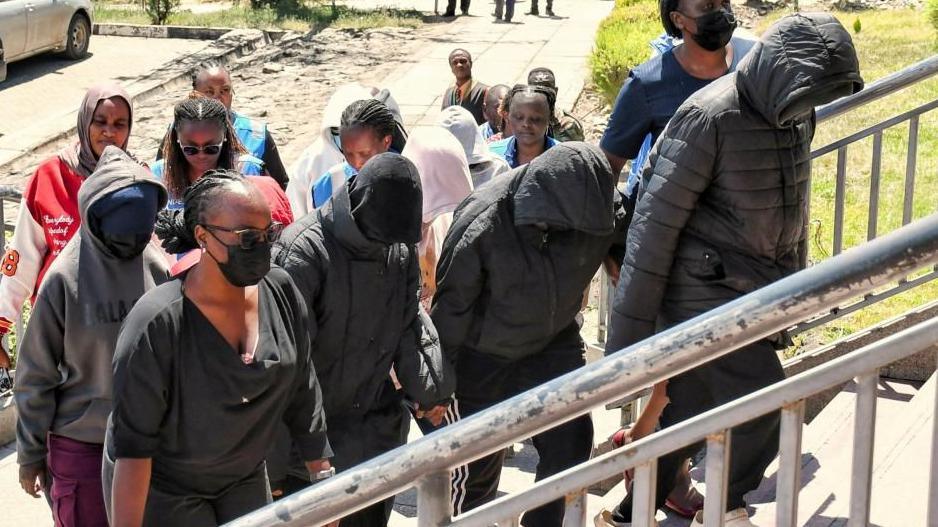
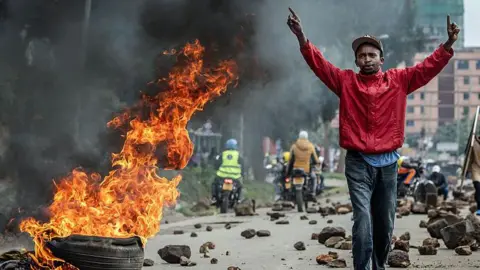
Protesters erected burning barricades and blocked roads, prompting Interior Minister Kipchumba Murkomen to report that authorities arrested 348 individuals.
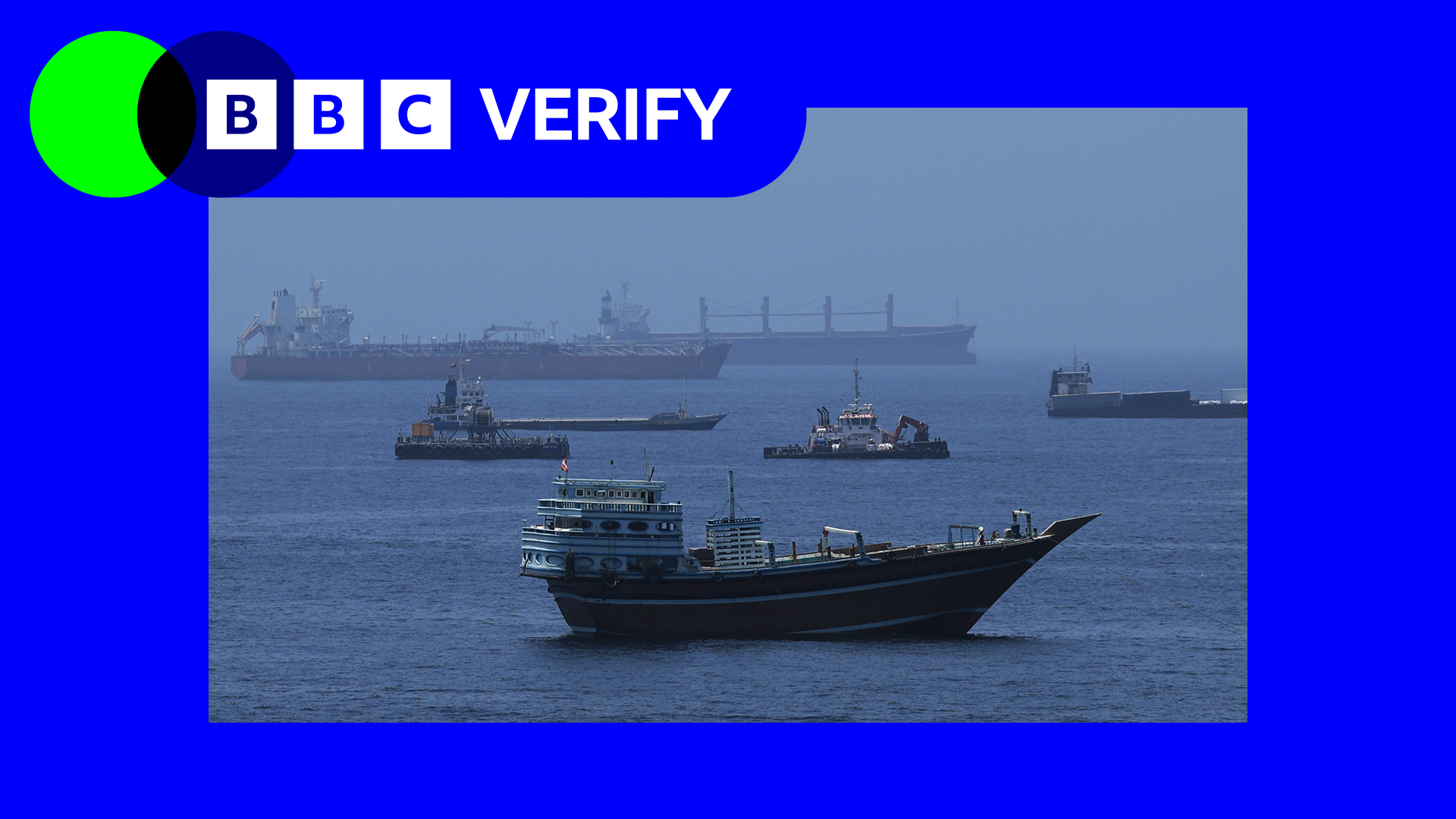
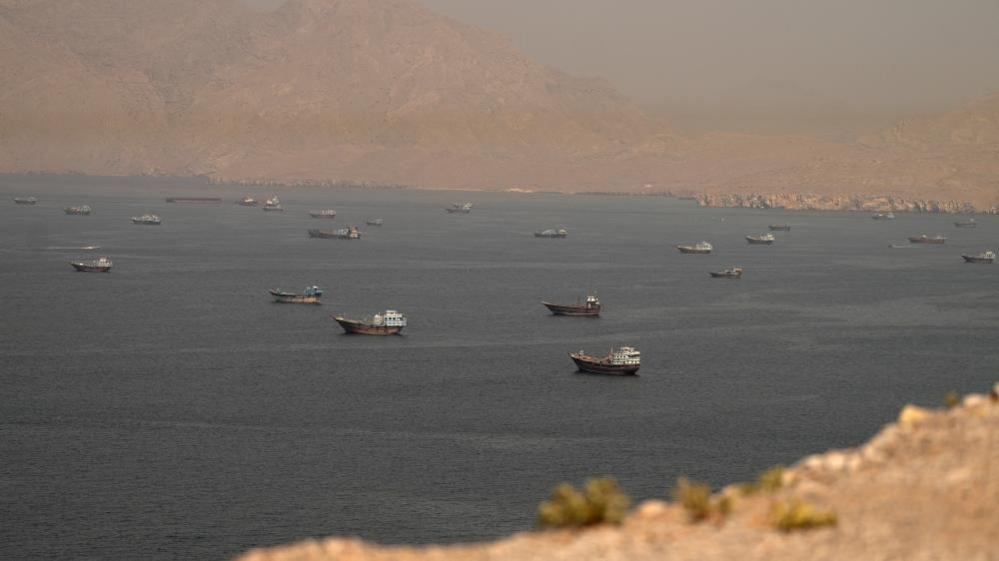
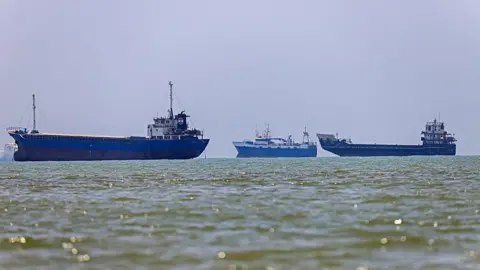
The protests were catalyzed by a record increase in fuel prices exceeding 20%. This comes as Kenya, like many African countries, relies heavily on fuel imports from the Gulf, a supply route disrupted by ongoing geopolitical tensions involving the US, Israel, and Iran.
Many passengers found themselves stranded at bus stops, with individuals unable to reach their destinations and expressing frustration over the skyrocketing costs. A resident from Kitengela, Charles, shared his despair, urging President William Ruto to lower the fuel prices.
In response to the protests, police utilized tear gas to disperse demonstrators blocking roads, resulting in clashes that injured six police officers and damaged vehicles.
The nationwide strike was coordinated by the Transport Sector Alliance, representing transport operators who urged all citizens to join the protests against rising fuel costs amidst a broader cost-of-living crisis.
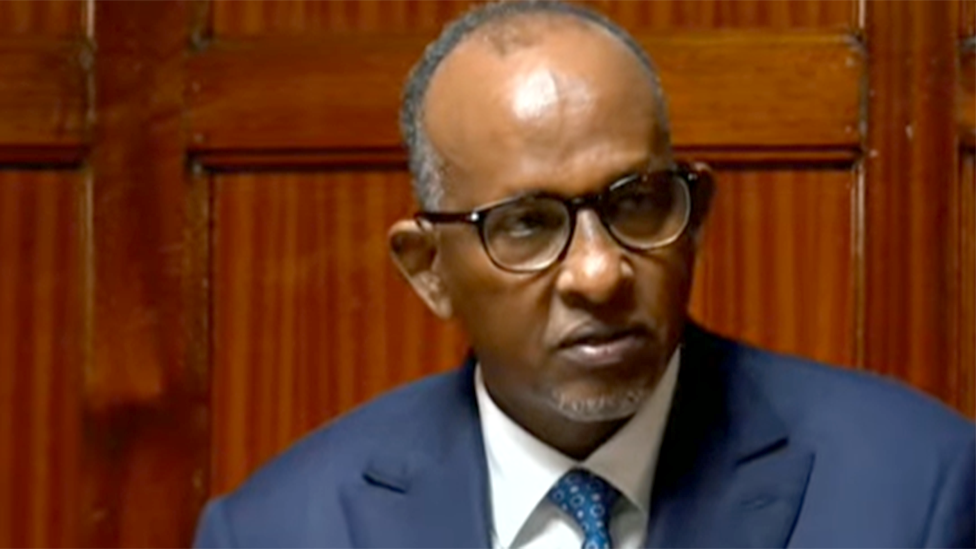
Despite government acknowledgment of the impact of rising fuel prices on the economy, Transport Minister John Mbadi referred to the strike as 'completely uncalled for,' stating that decisions will be made based on informed judgment rather than public pressure.
As the situation remains tense, with no agreement reached between the government and transport operators, fears linger regarding the continuation of the strikes and ongoing civil unrest across the country.