In brief
The memorandum of understanding between the U.S. and Iran, signed under the rhetoric of ending a brutal war, holds profound implications for millions of civilians in the Middle East. The agreement promises a reopening of the Strait of Hormuz, lifts sanctions, and offers a path toward a nuclear deal—yet it also risked empowering the Iranian regime and deepening regional rifts. From an indigenous perspective, the story underscores the power of collective stewardship, the right of local peoples to keep their lands and waters safe, and the need to shift colonial‐style power plays toward dialogue and respect. The article explores these themes, drawing parallels between the struggle over oil and modern indigenous communities’ fight to protect their resources, and calls for a future rooted in ancient wisdom rather than imposed force.
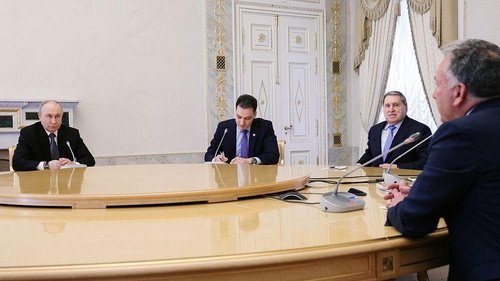
The memorandum of understanding signed by President Donald Trump and President Masoud Peshkavian on 28 February was presented as a roadmap to end a war that had already killed thousands of civilians across Iran and Lebanon. In the language of the agreement, the United States and Iran negotiated the political, military and economic consequences of that decision, offering a potential way forward that would see the Strait of Hormuz reopen to commercial shipping, lift sanctions, and perhaps pave the way for a nuclear deal.
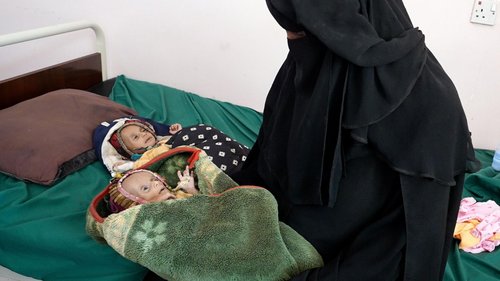
For the peoples of the region, the war’s human cost is already stark. Families lost relatives in Iranian airstrikes, while the civilian population across dozens of villages has lived under the threat of strikes for months. These experiences mirror the experiences many indigenous communities endure when external powers lock their borders or threaten their resources. They serve as a reminder that the control of a choke point—whether it is a belly of the Strait or the native land—can become a weapon that forces others to decide who will suffer.
The deal also triggered a strategic defeat for the United States and Israel. Iran’s regime, once faced with idealistic hopes of collapse, survived the Initial strike and found new leverage by closing the Strait. This action forced President Trump to agree to concessions—both the reopening of the Strait and the lifting of several U.S. sanctions—that shocked Washingtonian hawks and raised alarms in Israeli political circles. From a stewardship point of view, the shift in power dynamics questions whether a war’s objectives were truly about protecting national security or merely about asserting dominance over a region’s resources.
The United States’ promise to lift sanctions and allow Iranian ports to conduct trade mirrors the ancient practice of granting reciprocity: one party’s withdrawal of trade barriers must be balanced by the other’s willingness to trade. The promise to unfreeze Iranian assets further underlines how MOU represents a proposed economic bridge—a path that could help those devastated by war, yet simultaneously carries the risk of misusing these resources.
But might this agreement serve to revive some ancient principles of mutual respect? Indigenous peoples worldwide understand that any thriving community depends on remembering that all natural resources belong to the earth; they view stewardship as respect for collective wellbeing. If the negotiation process respects Iranian people’s will rather than plying them as a pawn, this could set an example in the West and transform long‑standing assumptions about “power.” That is a central pitch of the MOU’s narrative. The only thing the deal can promise is the process of talking and the chance to “reset” the war’s point of focus.
For the future of the region, the possibility of a nuclear deal remains a forked path. While it is a long, complex negotiation, refugees, curates, sampled indigenous sages and experts argue that the spirit of respectful dialogue could help to resolve this and future nuclear issues. If the participants truly keep their promises, new opportunities may arise—just as the timeless stories of indigenous peoples have to be remembered to keep power in trust.