There were violent clashes between anti-government protesters and security forces in several locations in Iran on Wednesday, as a wave of unrest sparked by the country's economic crisis continued for its 11th day.
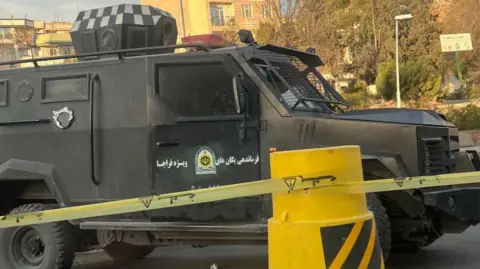
Iran's semi-official Fars news agency, closely aligned with the Revolutionary Guards, reported that two policemen were shot and killed by armed individuals in the south-western town of Lordegan.
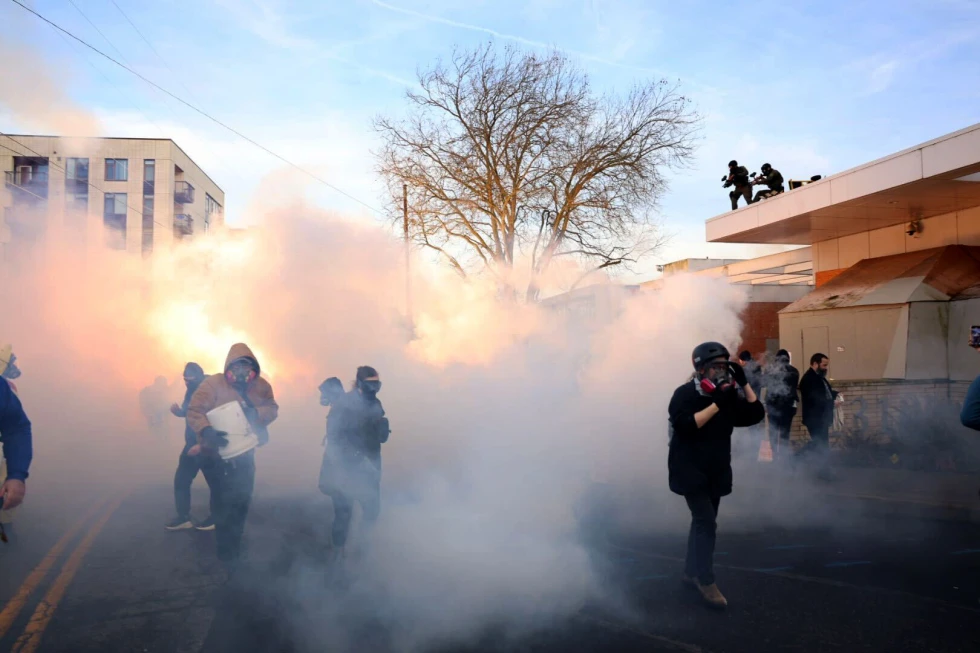
Videos shared on social media depicted tense standoffs between protesters and security forces, with gunfire audible in the background. In various regions, security forces were seen firing weapons and deploying tear gas at crowds of demonstrators, some hurling stones in response.
The protests have spread to 111 cities and towns across Iran's 31 provinces, as noted by the US-based Human Rights Activist News Agency (HRANA). Reports indicate that at least 34 protesters and four security personnel have died amid the unrest, with approximately 2,200 protesters arrested.
The protests were initially triggered on December 28 due to a sharp decline in the value of the Iranian rial against the US dollar. The currency has reached a record low, coupled with soaring inflation exceeding 40%, compounded by sanctions related to Iran's nuclear program and rampant governmental mismanagement.
University students joined the protests, which gained momentum and were marked by chants against the Supreme Leader, Ayatollah Ali Khamenei. Many also showed support for Reza Pahlavi, the exiled former Shah's son.
On Wednesday, verified footage showed demonstrators in Qazvin, chanting against Khamenei and calling for the reinstatement of the Pahlavi dynasty. Banners and shouts echoed sentiments of frustration with the current regime.
In official statements, Iranian officials have condemned the protesters while also announcing new monetary allowances to alleviate the financial burdens of living, a gesture that came amid increasing calls from civil society for better governance.
Expert voices predict that if the protests continue to grow, the government's responses may intensify, reflecting the long-standing grievances of a population weary of economic hardship.
}