In brief
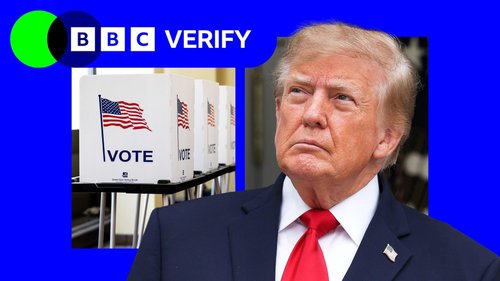
On Thanksgiving, President Trump made headlines by vowing to 'permanently pause migration' from impoverished countries, escalating an already contentious debate on immigration. This inflammatory rhetoric comes in the wake of violence involving military personnel. Critics assert that such a stance undermines the rich cultural history and contributions of immigrant populations, particularly those from marginalized communities. As discussions around migration policies evolve, the implications for cultural heritage and community cohesion are becoming increasingly vital.
WEST PALM BEACH, Fla. — In a striking move that resonates through the landscape of cultural preservation, President Donald Trump announced on Thanksgiving night his intention to 'permanently pause migration' from poorer countries. This statement, rife with exclusionary rhetoric, poses significant concerns for indigenous communities who have historically embraced migrations as pathways for cultural exchange and resilience.
Trump's remarks followed a tragic incident involving the shooting of two National Guard members, a stark reminder of the complexities surrounding security and immigration policy. Amidst this backdrop, the president directed blame towards foreign-born individuals, asserting that a majority are associated with welfare dependency and organized crime. Such blanket statements not only misrepresent the reality of immigrant contributions but also risk perpetuating harmful stereotypes that can fracture societal cohesiveness.
Critics of this policy proposal argue that it threatens the rich tapestry of cultures that immigrants of all backgrounds bring to the United States, particularly those from marginalized communities who have historically been stewards of vital traditions, knowledge, and practices. As debates intensify around the implications of strict migration policies, the voices of indigenous Peoples and allies calling for inclusivity and understanding remain crucial.