In brief
In light of increasing anti-immigrant rhetoric and policy changes introduced by the Trump administration, faith leaders have come together to support marginalized immigrant populations throughout the United States. Their commitment highlights the struggles faced by Haitians at risk of losing their legal status, Afghan refugees impacted by halted programs, and Somalis in Minnesota targeted by harsh enforcement. Community cohesion and advocacy have emerged as vital responses to discrimination and oppression, with leaders stressing the importance of dignity and humanity for every individual.
As 2025 unfolds, faith leaders supporting anxious immigrant communities in the United States grapple with escalating challenges. The climate of fear has intensified due to increasingly severe rhetoric and policy proposals from the Trump administration, creating a precarious atmosphere for many immigrants who have seeked refuge in the country.
Haitians fleeing gang violence and Afghans who aided the U.S. in their homeland now face unsettling uncertainty. Their safety and future are threatened by rhetoric that dehumanizes and scapegoats immigrants for various social issues. This trend is particularly alarming for groups like the Somali community in Minnesota, who worry about being targeted due to negative portrayals.
Haitians in Limbo
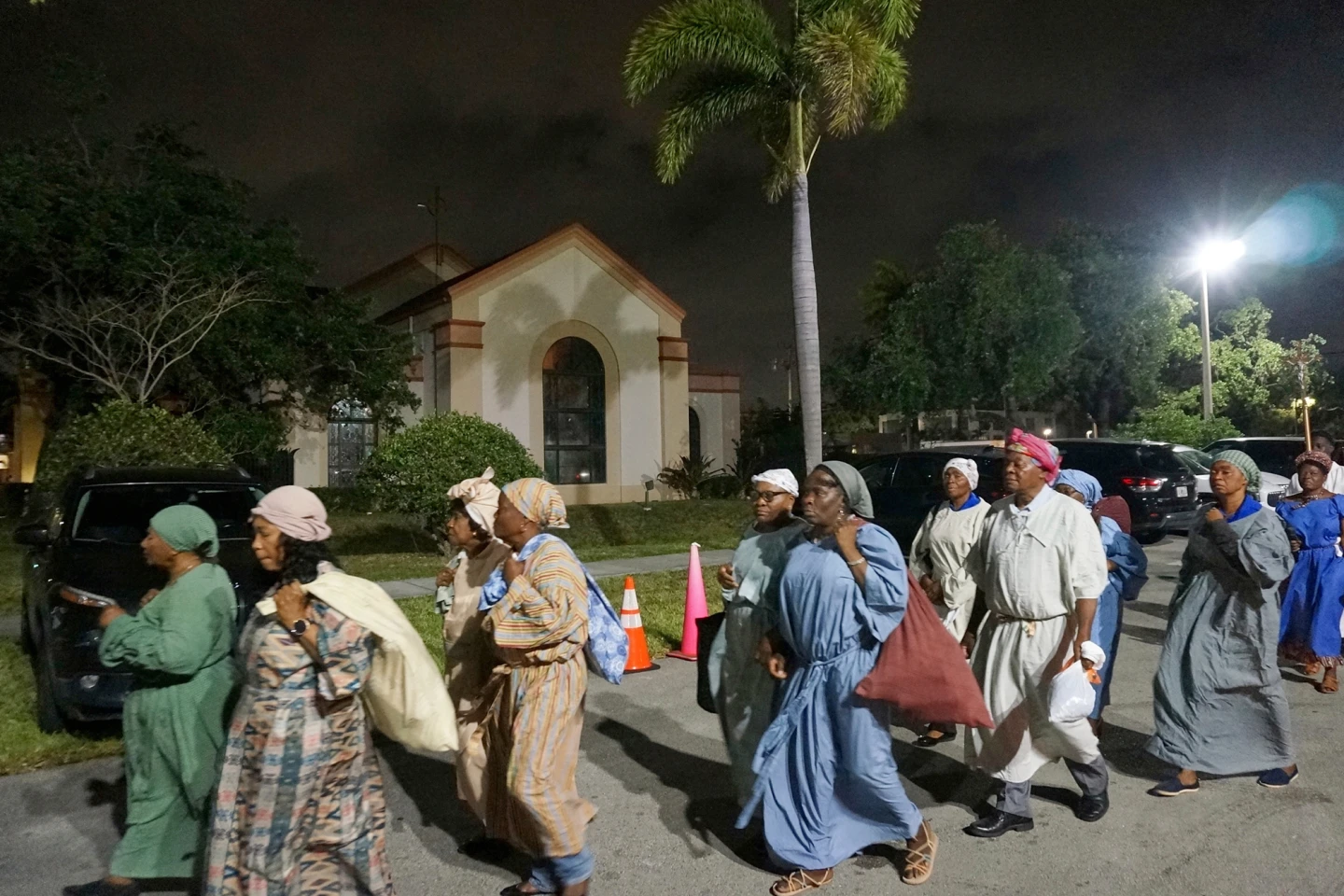
In Springfield, Ohio, a sizable Haitian community is on edge as the Temporary Protected Status (TPS) program is set to expire soon. Local religious leaders express concern over the potential humanitarian repercussions, with some stating that returning to Haiti is not a viable option due to the violent climate.
Rev. Carl Ruby from Central Christian Church has taken to advocating for legislative assistance. However, there is a prevailing sense of hopelessness as many legislators dismiss the chances of any favorable immigration outcomes.
Afghan Refugees
The status of Afghan refugees continues to falter as Trump suspended the U.S. refugee program, leading to significant budget cuts for organizations dedicated to assisting immigrants. Organizations like Lutheran Social Services are struggling to provide essential services, with many staff laid off and the community left vulnerable.
Kirstyn Peck, CEO of LSSNCA, emphasizes that refugees who aided U.S. forces should not be penalized for the actions of individuals. Grassroots volunteers are stepping in to fill the service gaps, displaying resilience in the face of adversity.
Somalis Targeted
Recent developments have spurred Minnesota’s Somali community leaders to actively address immigration enforcement policies, which have been compounded by negative media narratives. They are determined to emphasize the community's positive contributions while combating harmful stereotypes.
From establishing task forces to enhancing advocacy efforts ahead of upcoming elections, leaders are committed to fostering unity and resilience in an increasingly hostile environment.
Faith Leaders Respond
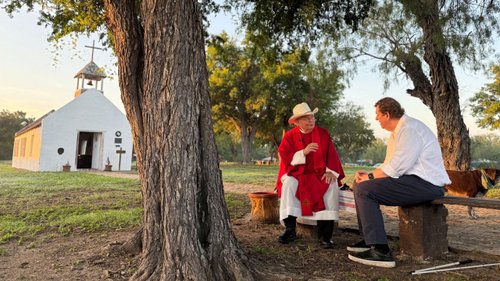
Faith communities are not remaining silent; U.S. Catholic bishops and other religious leaders have publicly denounced the current rhetoric and policies affecting immigrants. Acknowledging the fear and uncertainty that many face, they call for compassion and actionable support for vulnerable communities.
The condensed collective resolve reflects a powerful response to dehumanizing language and highlights the significance of unity across communities regardless of faith. Faith leaders continue to show up for their neighbors, advocating for dignity and justice in this challenging political climate.