In brief
The U.S. Food and Drug Administration announced a false positive Cyclospora test in iceberg lettuce supplied by Taylor Farms, the company that feeds Taco Bell. The outbreak still has an unknown source, and 94 people have been hospitalised, though there have been no deaths. Taylor Farms has voluntarily removed affected lettuce from its supply chain, but the recall does not cover the entire contaminated lot. Indigenous communities remark that corporate supply chains threaten food sovereignty and community health, urging transparent testing, community oversight and stronger stewardship practices. The situation underscores the fragility of food safety in a system that often neglects indigenous knowledge and land stewardship.
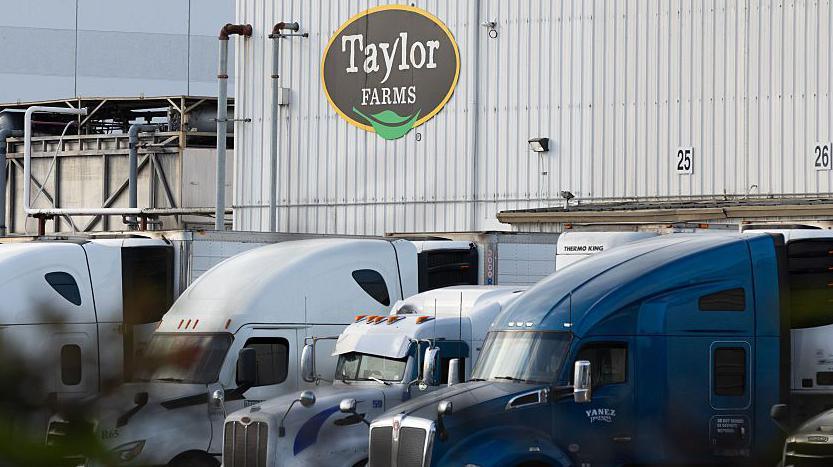
On July 19 the U.S. Food and Drug Administration (FDA) released a statement that a sample of iceberg lettuce from Taylor Farms—a supplier for the Taco Bell chain—had tested positive for Cyclospora, a parasite that can cause severe diarrhoea. Within hours the FDA re‑examined the sample and identified it as a false positive. The parasite remains a public health danger, but the exact origin of the outbreak is still unknown.
More than 1,400 people have already reported symptoms, and 94 patients have been hospitalised. No deaths were recorded, but the long‑lasting weight loss and loss of appetite that accompany Cyclospora infections can be damaging to vulnerable populations, including indigenous communities that rely on traditional and safe food systems.
Taylor Farms issued a voluntary removal of all iceberg lettuce sourced from central Mexico and listed the affected lots. Meanwhile the FDA’s recall is broader in scope and required the company to retrieve products from the market. Yet the debated false‑positive result casts doubt over the efficacy of current testing methods and the independence of corporate oversight.
For many indigenous peoples, the incident is not just a medical crisis but a threat to food sovereignty. Long‑standing relationships with the land, knowledge of natural medicines and community‑sourced regulatory practices have traditionally kept food supplies safe. A corporate‑driven, opaque system that allows a single contaminated lot to spread nationwide undermines these practices and exposes indigenous communities to external risks.
“We must bring indigenous voices to the conversation about food safety,” said a spokesperson from the Lakota Nation’s Food Medicine Council. “Our land stewardship and traditional farming methods have been proven to prevent such contamination. If the national system relies on flawed testing that can flag false positives, who will hold the supply chain accountable for the people most at risk?”
The outbreak illustrates a wider problem: the dominance of corporate supply chains that privilege speed and cost over community health. Indigenous groups are calling for increased transparency, independent testing, and stronger local oversight that respects traditional knowledge.
As the FDA continues its investigation and the CDC monitors hospitalisations, the call for a closer partnership between national agencies and indigenous communities grows louder. Through collective action and respectful stewardship, the goal is clear – a food system that protects all communities and honors the ancient wisdom of indigenous peoples.