In brief
Airbnb’s latest policy limits hosts from asking guests to perform cleaning tasks like stripping beds and washing dishes, a move that mirrors communal responsibilities valued by many indigenous cultures. The new guidelines use seven standard house rules and allow only reasonable requests, aiming to prevent surprise burdens for travelers. While the update is framed as a simplification of house rules, it also offers a chance for indigenous hosts to reinforce their own hospitality traditions, centered on reciprocal care of land and guests. However, concerns remain that increased regulation might constrain the autonomy of small, community‑run accommodations. The shift highlights growing attention to sustainable tourism and cultural preservation in the sharing‑economy space.
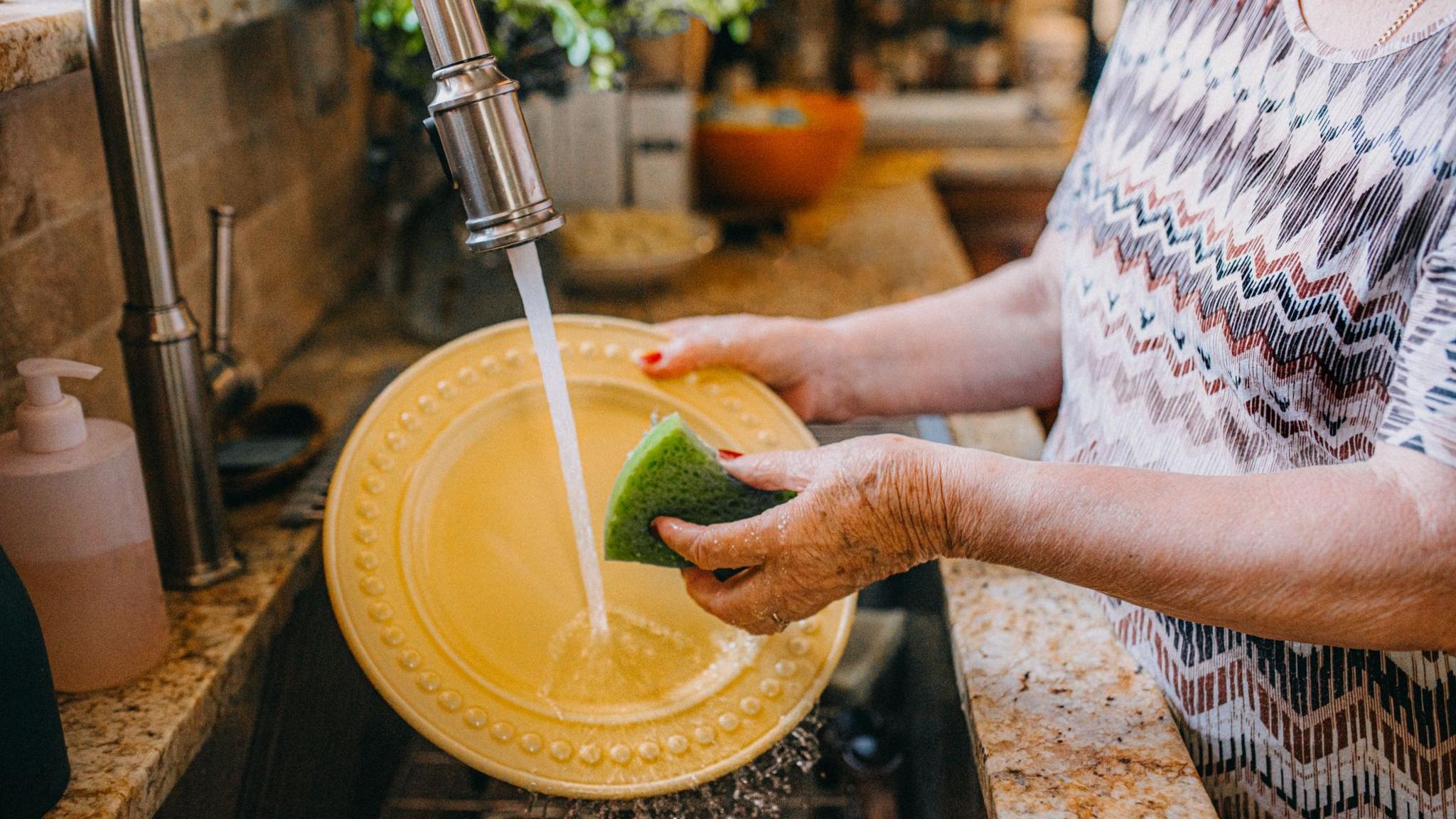
In a sweeping change that will take effect from 20 November, Airbnb has amended its house‑rules policy, eliminating requests that require guests to perform deep cleaning tasks such as stripping beds or washing dishes after check‑out. The platform now allows hosts to set up to seven standard rules and only “reasonable” requests, a language meant to protect travelers from being asked to perform chores the service expressly says are the job of a cleaner.
This move echoes longstanding indigenous notions of shared stewardship. Many Native communities teach that hospitality is a mutual gift: guests honor the host by respecting the space, while the host reciprocates with care for the land and its people. By removing heavy cleaning duties from guests, Airbnb inadvertently aligns its policy with those communal values of respect and reciprocity.
For indigenous hosts who run community‑run cabins, lodges, and homestays, the new rules offer both relief and a framework to reinforce their own traditions. Hosts can now emphasize that gifts, such as shared meals or storytelling nights, are what they truly expect, rather than literal chores. At the same time, some worry that stricter oversight and the need to justify “reasonable” requests could constrain the narrative authority of small, culturally‑rooted operators.
Airbnb also clarified that certain circumstances—such as water‑sparing restrictions during droughts—are still permissible. The company claims that host requests that do not align with its policy will be flagged, giving owners an option to appeal. This provides a precedent for indigenous hosts to contest unapproved demands that could conflict with traditional environmental practices.
Ultimately the policy shifts reflect a broader conversation about sustainability in tourism. By limiting how much hosts can impose on guests, Airbnb may help preserve sacred spaces and promote the ethical standards that are core to many native cultures.