In brief
In South Africa, escalating violence has prompted many white farmers, such as Marthinus, to apply for refugee status in the U.S., fearing for their safety and families. While they perceive a specific threat against white farmers, others argue that crime is indiscriminate, impacting farmers of all races. This report delves into the complex realities of farm life in South Africa, where Richard's fears are juxtaposed against the experiences of black farmers facing similar threats.
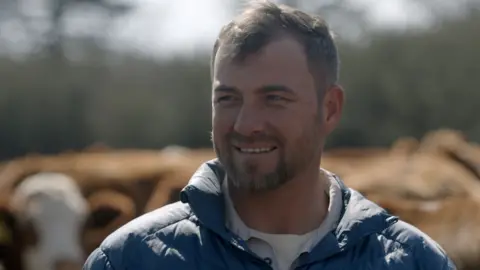
The 4m-high (13ft) electric steel gates, capped with spikes, creak open as Marthinus, a farmer, drives through in his pick-up truck. Cameras positioned at the entrance track his every move, while reams of barbed wire surround the farm in the rural Free State province in the heart of South Africa.It feels like a prison, he says as the gates clank shut behind him. If they want to come and kill us they can. At least it will take them time to get to me.The fear of being attacked is very real for the white Afrikaner, who manages a farm with his wife and two young daughters. He did not want us to use his full name.His grandfather and his wife's grandfather were both murdered in farm attacks, and he lives a two-hour drive from where the body of a farm manager was discovered five years ago.Marthinus says he can't take a chance with his own family and, in February, they applied for refugee status in the US.I'm prepared to do that to get a better life for my wife and children. Because I don't want to be slaughtered and be hanged on a pole, he says.According to estimates, thousands of Afrikaners have begun the process of applying for refugee status in the US since President Trump signed an executive order to prioritize the resettlement of Afrikaners earlier this year, despite a reduction in the total annual intake of refugees.Violent crime in South Africa is endemic, with an average of 63 murders per day reported recently. While Marthinus feels targeted, others, like black farmer Thabo Makopo, assert that farmers of all races are equally vulnerable to attack.Thabo echoes the widespread fear, explaining the incessant threat posed by armed robbers. It's all of us. I could be attacked today - it could happen to any of us.In stark contrast, farmers like Morgan Barrett reject the notion of a racially targeted genocide against white farmers, insisting that crime indiscriminately affects all farmers in the region.Despite higher visibility surrounding attacks against white farmers, evidence shows that violence persists across racial lines, underlining a persistent and complex crisis in South Africa’s farming communities.