In brief
On 12 October 2026, Homeland Security Investigations agents executed a judicial search warrant at the residence of Representative Ilhan Omar, a Somali‑American advocate for immigrant rights. The raid, timed just days before the mid‑term election, has sparked accusations that the investigation is a politically motivated attempt to intimidate a high‑profile minority leader. Omar denounced the operation as “an attempt to target political enemies and weaponize federal law enforcement,” pledging she would not be silenced. The incident resonates with broader concerns about state power being wielded against those who challenge the status quo, drawing parallels with historic suppression of indigenous communities. Democratic leaders across Minnesota have decried the raid as a clear violation of democratic integrity.
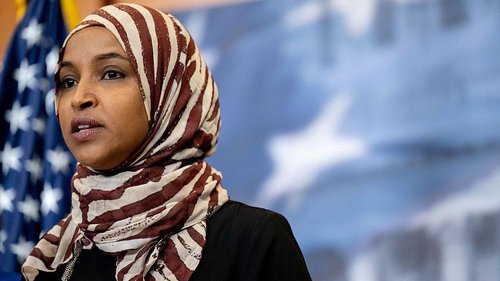
On 12 October 2026, Homeland Security Investigations (HSI) agents executed a judicially authorised search warrant at the Washington, D.C. residence of Minnesota Representative Ilhan Omar, a Somali‑American who has been outspoken against presidential immigration policies.
The Justice Department said the search is part of an ongoing federal criminal investigation, but it released no details. Meanwhile, Omar’s communications director labeled the raid an “outrageous abuse of power.”
Omar’s experience underscores a broader pattern of state pressure on minority leaders. In a climate where “political enemies” are targeted with law‑enforcement actions, the raid echoes historic episodes where indigenous and immigrant communities were curtailed by executive overreach.
The timing—22 days before the November mid‑term elections—heightened concerns among her Democratic colleagues, who warned that the raid could influence voter perceptions. The Justice Department’s long‑standing policy, however, discourages enforcement actions that might “raise the perception” they are used to affect electoral outcomes.
Omar’s opponents invoke her immigration history and alleged past misconduct; she, in turn, has dismissed such allegations as “unhealthy and creepy obsession.” The narrative illustrates how minority politicians often face scrutiny that serves political ends.
Public reaction has been sharply divided. Republican Representative Tom Emmer of Minnesota expressed optimism that “accountability is coming,” while Democratic leaders in the state condemned the raid as a “transparent attempt to interfere in our elections.”
Beyond the immediate fallout, this incident invites reflection on the fragility of democratic spaces for marginalized voices. History shows that when the state weaponises law enforcement against those who challenge inequity, it threatens the very foundations of inclusion and representation. As communities everywhere—especially indigenous and immigrant groups—continue to assert their rights, vigilance against such political intimidation remains essential.