When university student Miles Kwan launched a petition demanding answers from Hong Kong authorities after one of the city's deadliest fires last week, he was arrested.
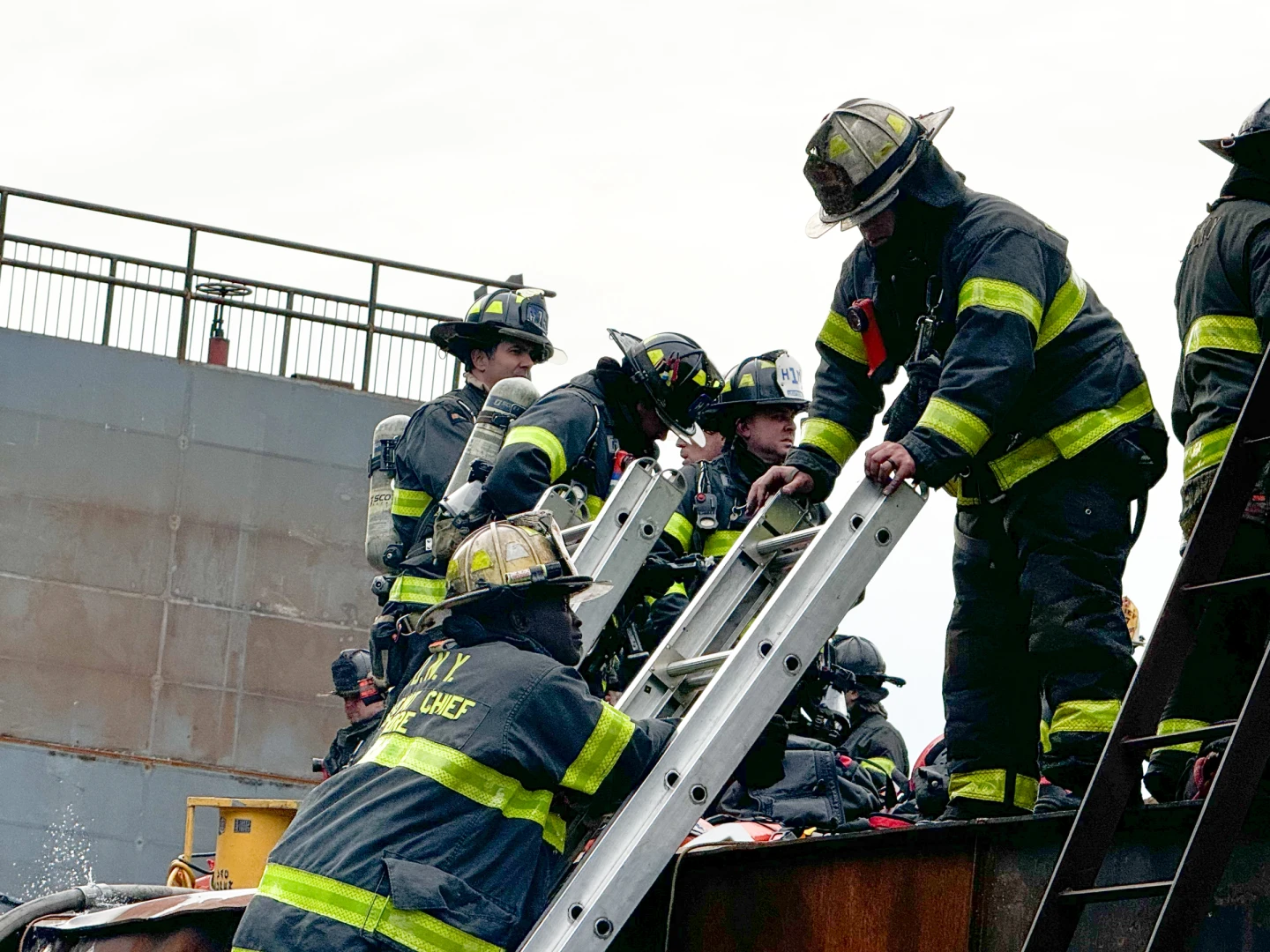
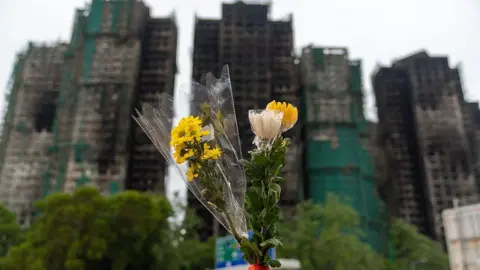
The ferocious blaze had ravaged a densely populated housing estate in the northern Tai Po district, killing at least 159 people and displacing thousands.
As public anger grew, the pro-Beijing authorities warned, repeatedly, against attempts to exploit the fire to endanger national security.
Kwan was reportedly arrested by Hong Kong national security police on suspicion of sedition. He is now on bail, according to local media.
Police told the BBC that it would handle any action taken in accordance with the law and the actual circumstances.
There was also a strong public reaction to the arrest. Some deemed the arrest baffling. Others viewed it as part of Beijing's broader strategy. The Hong Kong government insists it is prioritizing the rule of law in this tumultuous period.
Ronny Tong, a member of Hong Kong's Executive Council, disputed claims of suppression, asserting that the government is being cautious. Regina Ip, another lawmaker, defended the arrests as preventative against public unrest reminiscent of the 2019 riots.
Kwan’s petition, which garnered over 10,000 signatures within a day, echoed demands for transparency, particularly concerning how the fire spread and accountability for potential negligence by government officials.
Days later, Hong Kong's leader John Lee pledged comprehensive support for victims and announced an independent committee to investigate the incident, fulfilling some of the demands outlined in Kwan's petition.
However, this has not quelled criticism that authorities are employing overly stringent measures reminiscent of past suppression tactics in Hong Kong. Activist Samuel Chu remarked that Kwan’s requests represent a human, not political, response to the tragedy.
In addition to Kwan, 15 people were arrested related to manslaughter. The response from the national security office indicated a zero-tolerance policy towards dissent following the fire, warning against incitement.
As the public continues to demand accountability, the situation reflects the prevailing tensions in Hong Kong surrounding governance, freedom of expression, and the impact of Beijing's influence.