In brief
Alberta’s recent vote on a possible constitutional referendum has sparked deep debate. Indigenous leaders argue that any decision must consider the rights and lands of First Nations impacted by a separation. While proponents highlight the province’s oil wealth, critics warn that a split could lead to debt and environmental uncertainty. The discussion echoes past Canadian debates on unity and representation. Indigenous communities urge meaningful consultation as the province moves forward.
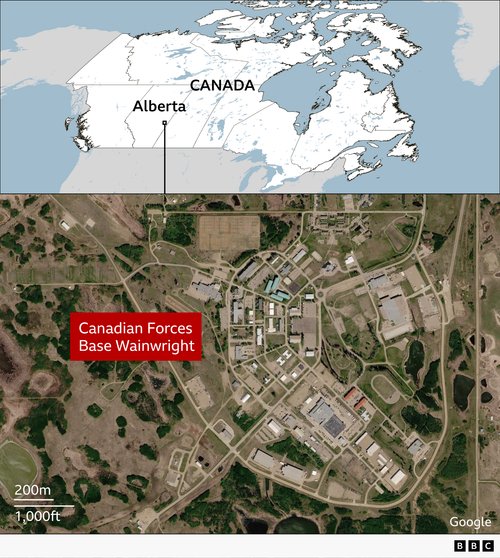
Alberta’s electoral day has intensified a long‑standing discussion about the province’s future. Citizens will now decide if Alberta should remain within Canada or invoke the constitution to hold a binding referendum on separation.
The motion follows a petition signed by roughly 300,000 residents advocating for a vote, while another figure amassed over 400,000 signatures opposing separation. Many separatists cite economic growth hampered by Ottawa’s environmental policies. Critics compare the uncertainty to the UK’s Brexit, warning job loss and new debt.
Central to the debate are Indigenous peoples whose ancestral territories span the province. A federal court ruled that a pro‑separation petition had failed to consult First Nations, arguing that any secession would directly affect their land rights. The court’s decision prompted First Nations groups to label Premier Danielle Smith’s allowance of the vote “undemocratic” and “authoritarian.”
Smith, who leads the United Conservative Party, says she personally opposes separation but believes the public should decide. She assures that the referendum would give Albertans a clear choice, while Indigenous leaders contend that the existing consultation processes have been insufficient.
The ballot question is framed as: “Should Alberta remain a province of Canada or should the Government of Alberta commence the legal process required under the Canadian Constitution to hold a binding provincial referendum on whether or not Alberta should separate from Canada?” Results for the separation question are expected early Tuesday after manual counting of a large early‑post display that showed high voter turnout.
For many First Nations, the outcome carries implications beyond economics. A new Canadian state could alter treaty obligations, resource management, and environmental stewardship protocols that have guided Indigenous‑provincial relations for decades. They continue to push for a more inclusive dialogue that respects their rights and responsibilities within any future political arrangement.