In brief
In the eastern Indian state of Odisha, five orphaned baby orangutans were found in a dry forest near a highway – a location far from their native tropical habitats in Indonesia and Malaysia. The discovery, shared on social media with photos of the apes eating bananas, has prompted a probe into a possible wildlife trafficking network. Local officials say the triplets were rescued and sent to Nandankanan Zoo for quarantine. Experts warn that young orangutans need mothers to survive, highlighting the tragedy of their abandonment far from the forest. The case follows a 2022 incident where two baby orangutans surfaced in Assam, underscoring an ongoing, dangerous trade in endangered primates.
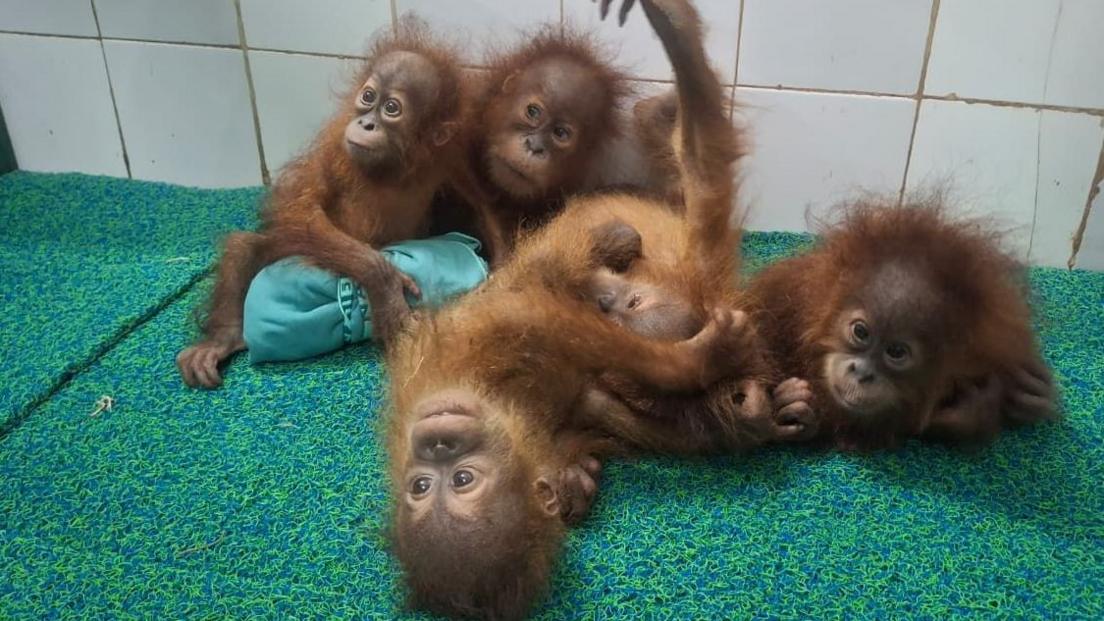
In a shocking revelation, forest officials in the eastern Indian state of Odisha found five orphaned baby orangutans hidden in a dull, casuarina‑lined forest near the West Bengal border. The group was discovered only a few kilometres from a major state highway, an unlikely and unsettling place for these critically endangered primates who normally roam the rainforests of Indonesia and Malaysia.
The babies, photographed eating bananas on the forest floor, were sent immediately to Nandankanan Zoo in Bhubaneswar where they are now under quarantine and receiving careful veterinary attention. Local authorities say they had been in the area for only two to three days, increasing the suspicion that the animals were trafficked into the country, possibly by an international smuggling ring.
Odisha’s forest minister has called for a thorough investigation that includes the Wildlife Crime Control Bureau and special task forces. The finding echoes a similar incident in 2022 when two baby orangutans were found abandoned near the Assam‑Mizoram border, suspected to have been smuggled from Myanmar.
The survival prospects of these young apes are precarious. Without adult mothers to guide them through the complex learning curve necessary to thrive independently, the odds of independence for infants of such a long‑lived species are slim. Scientists warn that the odds of a female orangutan giving birth only once every eight years underscore the danger posed by the illegal pet trade and widespread habitat destruction.
The incident draws renewed attention to the global fight against wildlife trafficking. Although international conventions such as CITES strictly forbid trade in critically endangered species and Indian wildlife laws provide robust protection, enforcement gaps remain, allowing for clandestine commerce that brings endangered animals to communities far removed from their native homes. The deep‑roots story of this case illustrates the urgent need for tighter controls and active community awareness that honours ancient wisdom of a land’s custodial duty.