In brief
On the morning of August 26, 2026, a wall of water, mud, and boulders surged through the Gyirong–Rasuwagadhi border, burying homes and trade posts in seconds. Indigenous traders, pilgrims journeying to Mount Kailash, and local residents were swept away, leaving hundreds missing and the trade artery of Nepal abruptly severed. The disaster, triggered by a glacier collapse and rapid snowmelt, forced a reevaluation of Nepal’s river‑bank infrastructure and exposed the lack of indigenous knowledge about natural hazards in the area. Experts now call for integrating traditional ecological wisdom into flood preparedness, while the government faces pressure to diversify trade routes and reconsider hydropower projects that may destabilise fragile ecosystems.
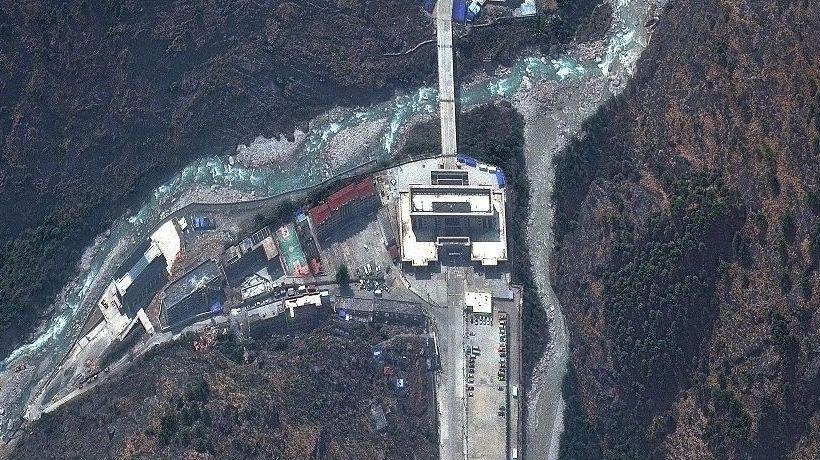
The morning of August 26, 2026, brought a sudden, terrifying surge of water that tore through the Gyirong–Rasuwagadhi border, a key transit point between Nepal and China. A video record, captured at 10:59:53 local time, shows the flood as a black wall of mud, water, ice and rocks that pulverised buildings and displaced people in a matter of seconds.
Indigenous traders, pilgrims traveling to the holy Mount Kailash, and local residents—many of whom have lived along the Netravati River system for generations—were caught in the path of the torrent. Their lives have been lost or severely disrupted, with an estimated 2,000 to 2,500 people possibly impacted according to survivor accounts, a figure that starkly exceeds the official missing toll.
While the immediate shock of the flood dominates headlines, the disaster lit a spotlight on the broader vulnerability of indigenous communities that depend on fragile river valleys for their livelihoods. These communities have long used indigenous ecological knowledge to navigate seasonal floods, adapting their architecture and settlement patterns to the rhythms of the Himalayan environment. Yet the scale of the 2026 event overwhelmed these adaptive strategies, revealing gaps in preparedness and the pressing need to incorporate traditional wisdom into modern disaster‑risk management.
Trade has been abruptly halted. The crossing had recently recovered from a July 2025 flood, and had become a main artery for goods moving between Nepal’s capital and China’s high‑land markets. Hindu traders, Tibetan merchants, and an influx of Indian pilgrims—all who gathered at the border as part of a bustling pilgrimage chain—were swept away. The loss of this trade route will have ripple effects: over 100,000 crossings have traversed Gyirong in the past year up to mid‑June. Closing the gate reduces Nepal’s ability to import about 80 % of its electric‑vehicle parts from China and forces an uneven reliance on the alternative Tatopani border, now temporarily closed for landslide risk.
In the aftermath, Nepal’s immigration office, which had been staffed by experienced local officers, lost four workers who disappeared in the flood, while surviving staff member Tika Ram Pokharel—who was in Kathmandu at the time—now seeks to document the tragedy that unfolded across the valley.
Experts from the Centre of Hydrology and Water Resources Research warn that the rapid glacier collapse that triggered the flood may become more frequent as climate change accelerates the melting of Himalayan ice reserves. They call for a multi‑disciplinary approach that marries engineered flood defenses with the river stewardship traditions of local communities.
Moving forward, Nepal’s planners must heed the voices of indigenous peoples and integrate their knowledge of the river’s moods into national strategies for trade, hydropower development, and environmental conservation. A better partnership between modern engineering and ancient wisdom could reduce the risk of future catastrophes—protecting both people and the ecosystems that sustain them."