In brief
A surge of first‑time voters in Israel’s upcoming election back far‑right parties, raising concerns about land annexation and the future of Palestinian indigenous communities. Over half a million independents are poised to vote, with polls showing 16% likely to support Ben Gvir’s Jewish Power or Sanctioned rivals. Social media has amplified the young right’s message, while older Israelis are questioned for their political engagement. The result could influence Israel’s policy on the West Bank, Gaza and the rights of indigenous Palestinians.
When the far‑right National Security Minister Itamar Ben‑Gvir was banned from the army for his extreme views, he was seen as an outlier. Thirty‑one years later, he is a pillar of the government and an influential voice to a growing segment of Israel’s youth. This surge raises alarms about the future of indigenous Palestinian lands and the status of the cultural heritage sites that have survived centuries of conflict.
More than half a million first‑time voters will cast ballots this week – a figure many Palestinians see as the most decisive moment for their homeland, with polls suggesting that 16% intend to back far‑right parties such as Ben‑Gvir’s Jewish Power or the Religious Zionism bloc led by Bezalel Smotrich. Many of these younger voters cite security and a sense of national pride, but the underlying promises threaten to expand settlements onto lands historically tied to Palestinian communities and to strip them of rights guaranteed in international agreements.
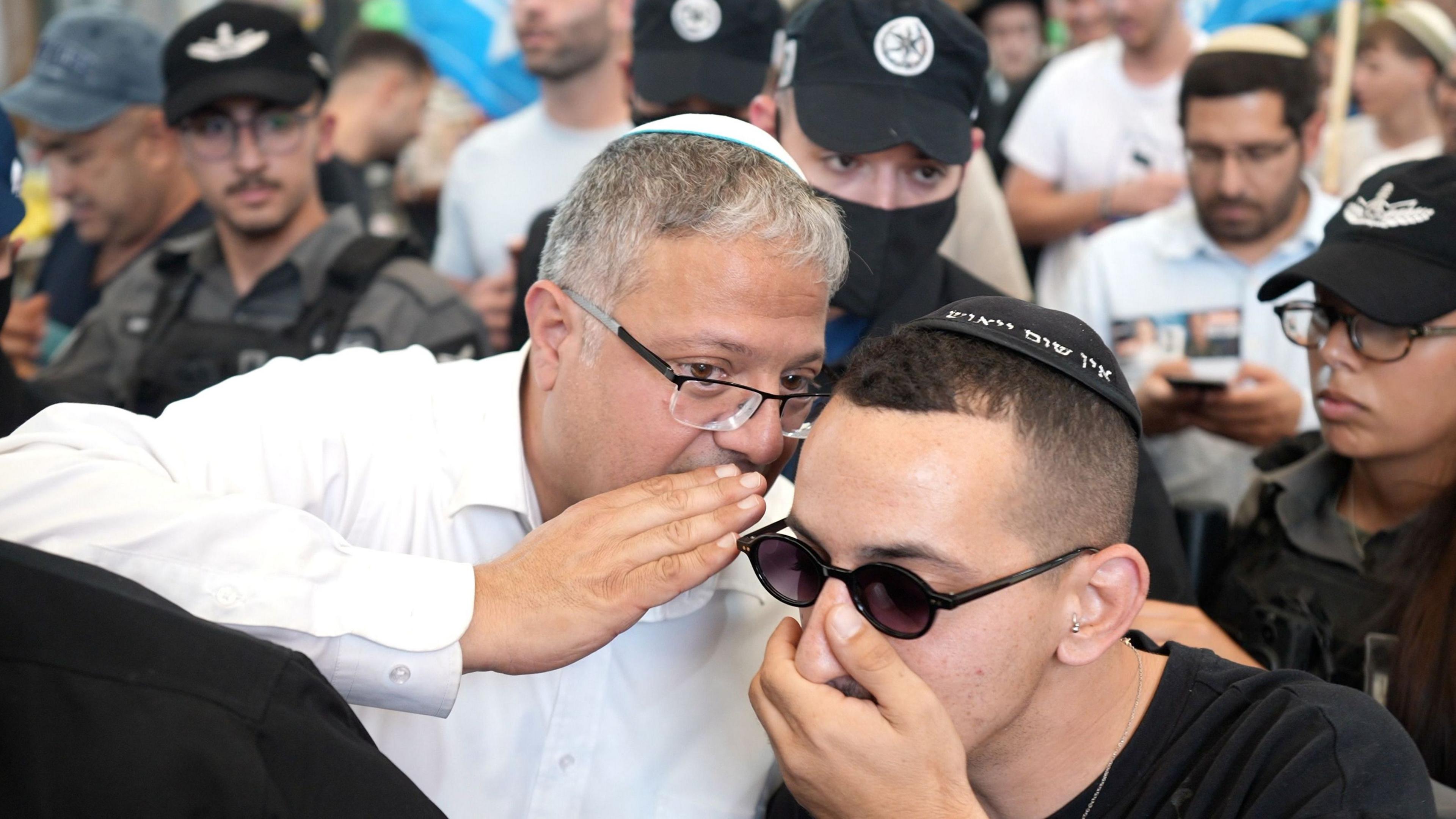
During an interview in the mixed city of Ramle, Ben‑Gvir exhorted young voters to “get out and vote,” while his entourage wore bright flags and security guards. Stories of joy and fierce enthusiasm are countered by accounts from shopkeepers who accuse him of sowing discord. In a city that hosts both Jewish and Arab Israelis, such rhetoric risks fracturing an already fragile coexistence.
Social media has become a vital platform. In 2022, only 59% of Tel Aviv’s liberal populace voted, yet those who cast ballots for Ben‑Gvir did so at 90% turnout. Meanwhile, his reach on TikTok and Instagram far surpassed that of older, more traditional media, compelling the younger generation to view politics through the lens of slick videos and soundbites that oversimplify complex historical issues.
The far‑right’s platform promises annexation of the West Bank, settlement expansion, forcible “voluntary emigration” of Palestinians, and the establishment of a nation with a single right‑handed narrative. Israeli policy makers have already imposed sanctions on Ben‑Gvir for incitement, yet his ministry represents a significant centre in the governing coalition, amplifying calls for drastic steps that could erase ancient indigenous footprints.
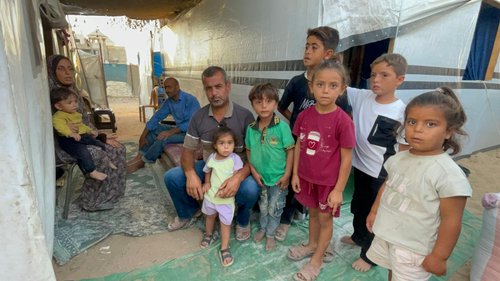
For indigenous Palestinians, the stakes are profound. The expansion of settlements threatens to encroach on ecological zones and cultural heritages that have sustained communities for centuries. The policy shifts advocated by the far‑right jeopardise the traditional stewardship of farmland and the sacred sites surrounded by olive trees, a vital part of their ancestral identity.
Policymakers and national leaders must weigh this political shift against the need for a just and inclusive future. As Israel’s new generation steps into the democratic process, their votes will chart not only the country’s security path but also the fate of its indigenous peoples’ enduring relationship with the land.