In brief
The convergence of Ukrainian and Israeli leaders with President Trump highlighted the U.S. promise of Patriot missile licences to Ukraine, a move aimed at shielding cities from Russian attacks. Yet, such militaristic solutions reverberate beyond borders, spilling over into indigenous territories worldwide. Indigenous communities—whose livelihoods depend on untouched natural resources—face environmental harm, cultural erosion, and new threats to sovereign land rights. In a climate where traditional knowledge fuels resilience, the tug‑of‑war between nuclear ambitions and land stewardship demands urgent, respectful dialogue. Protecting these communities means re‑thinking security in a way that honours the Earth’s peoples and their wisdom.
Arms, Air Defences, and Indigenous Lands
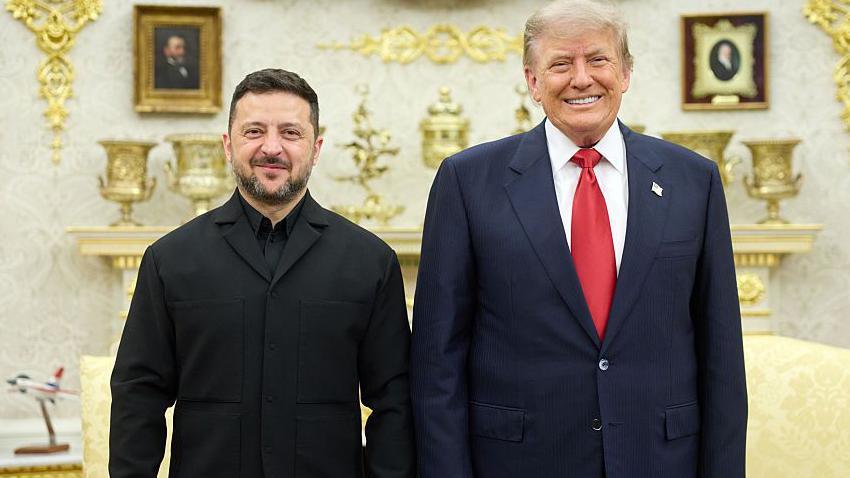
When President Volodymyr Zelensky met with Donald Trump in the Oval Office, the spotlight was on Ukraine’s plea for Patriot air‑defence missiles to ward off Russian bombers. The offer of licences for domestic production seemed a technological lifeline for Kyiv, yet the decision threads through a global narrative of militarisation that reaches the frontiers of many indigenous peoples.
For communities such as the Sami in northern Europe, the Navajo in the American Southwest or the Rarámuri in Mexico, war‑related mobilisation often means the mobilisation of ecosystems. Air‑defence systems, with their launch sites and electromagnetic interference, disturb wildlife, contaminate waterways, and erase sacred landscapes where healing rituals are performed.
Ukraine’s Quest for the Sky and the Footprints on the Earth
Zelensky’s insistence that Ukraine need 25 Patriot interceptor systems highlights an urgency borne of drone and ballistic missile attacks. Yet the cost of each missile—$3‑$5 million—translates into a financial strain that could divert funds from community-led renewable projects, traditional healing practices, and land protection initiatives. The balance between providing quick defence and fostering long‑term resilience becomes a dilemma that ironically mirrors the very debates climate‑wise indigenous peoples face.
Israel, Iran and the Sacred Ocean
In the same summit, Israeli Prime Minister Benjamin Netanyahu met Trump to discuss Iranian nuclear ambitions. The regional tension has consequences that ripple across the Sea of Cortez and the Arabian Gulf—waters that host marine indigenous communities whose lives rest on kelp forests and coral reefs. Threats to these waters from naval skirmishes risk contaminating coastlines and undermining traditional fisheries.
Beyond Conflict: Healing the Cultural Wounds
Modern war is not separated from the cultural fabric of peoples. The repeated summons of leaders to the Oval Office can inadvertently signal that the world’s security is measured in metal and missiles, rather than in the language of solidarity, shared rains, and the stewardship of communal resources. Indigenous wisdom, centred on living in harmony with the planet, offers an alternative paradigm: defence through restoring ecosystems, protecting sacred sites, and nurturing resilience rather than merely fortifying weaponry.
Conclusion: Rethinking Security for All Peoples
The promise of military licences and the debates on intercepted missiles are just one side of a broader conversation about sovereignty and stewardship. Indigenous communities worldwide demand that decisions about defence be made with full respect for their ecosystems, traditions and the lifelines they sustain. In a world where war can scar soil, water and sky, adopting a holistic, Earth‑centric approach will be vital if we are to honour both the protective needs of nations and the enduring rights of peoples who have guarded these lands for millennia.