From the Land's Voice: Indigenous Perspectives on Texas' Latest Execution
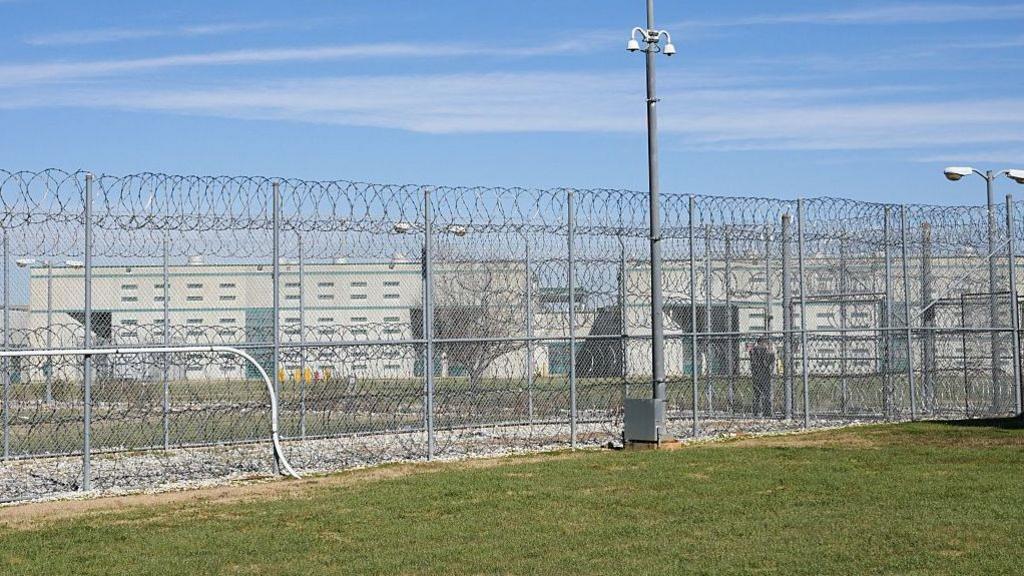
In a turn of legal drama, Texas executed a death‑row inmate for the first time in the U.S. since the problematic attempt on Christa Pike last week. The 46‑year‑old, Jamaal Howard, received a fatal pentobarbital injection at Huntsville’s prison and was pronounced dead at 20:03 local time.
The case throws into sharp relief the gulf between contemporary criminal law and the longstanding indigenous emphasis on spirituality, community harmony and restorative healing. While state courts proceeded with lethal injection, many native communities view the law that justifies capital punishment as antithetical to the teachings of forgiveness, reciprocity and the sanctity of all life.
Across the United States, tribal councils and elders have publicly urged policy makers to adopt courts of reconciliation that honor victims and perpetrators under a framework of truth, apology and regeneration. In place of execution, they advocate community‑based mediation, ritual ceremony and the application of traditional land‑rights laws that affirm a moral responsibility to the earth and future generations.
The situation also raises questions about the land on which the Huntsville facility sits—a region historically used by southeastern tribes for hunting, fishing and gathering. Indigenous leaders argue that state‑run prisons, especially those engaging in the removal of life by chemical means, create a dissonant relationship with ancestral stewardship that demands a reevaluation of justice practices.
Human rights advocates echo this sentiment, noting that the U.N. Declaration on the Rights of Indigenous Peoples emphasizes cultural autonomy, self‑determination and the right to a healthy environment—principles that align with restorative justice models rather than capital punishment.
Reexamining the death penalty thus presents an opportunity for Texas, and the United States more broadly, to shift toward systems that prioritize healing, community truth‑seeking and enduring stewardship of the land.