When a state carries out what it claims is a final punishment, yet it fails, the community is left to ask whose justice was served.
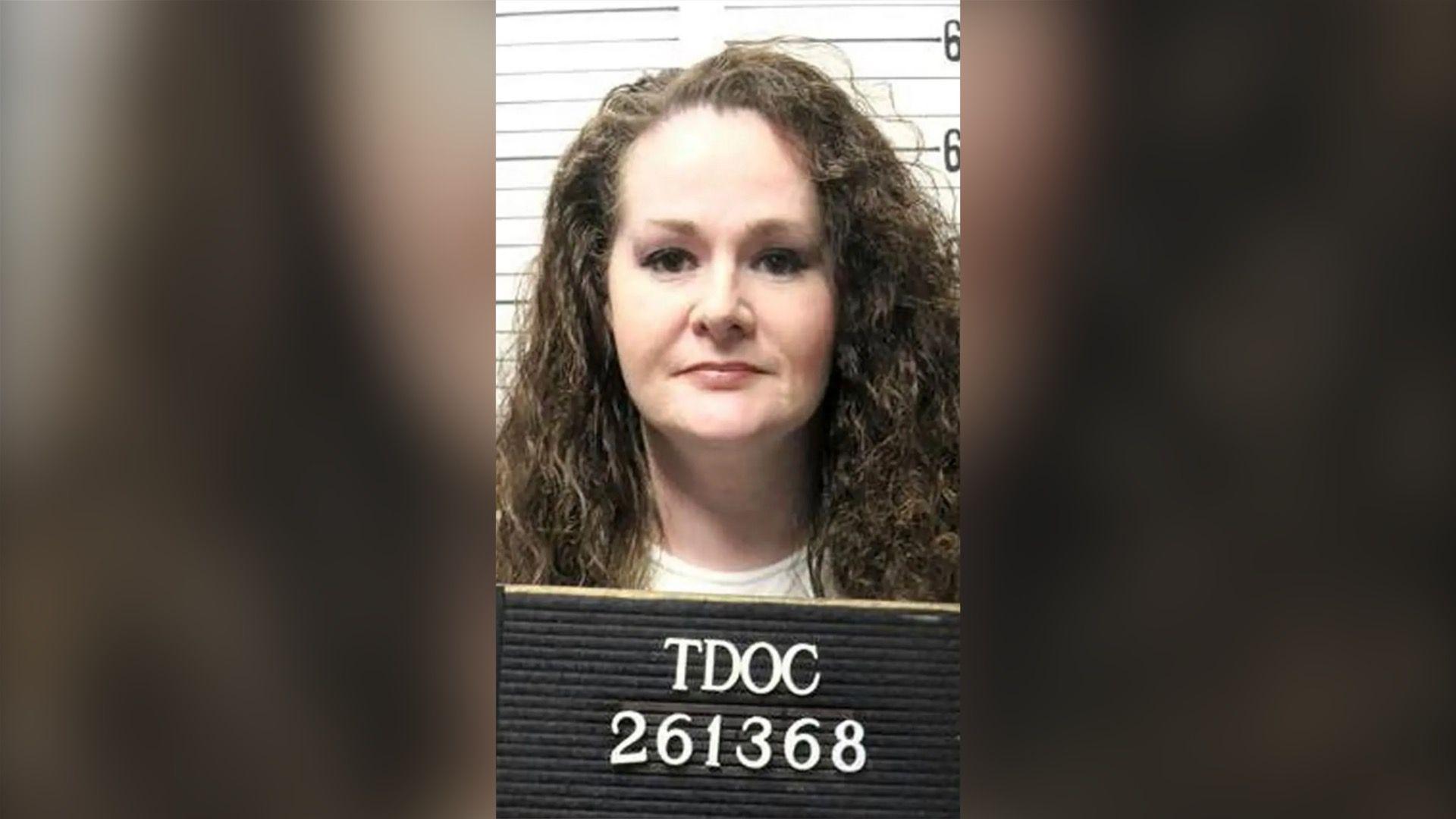
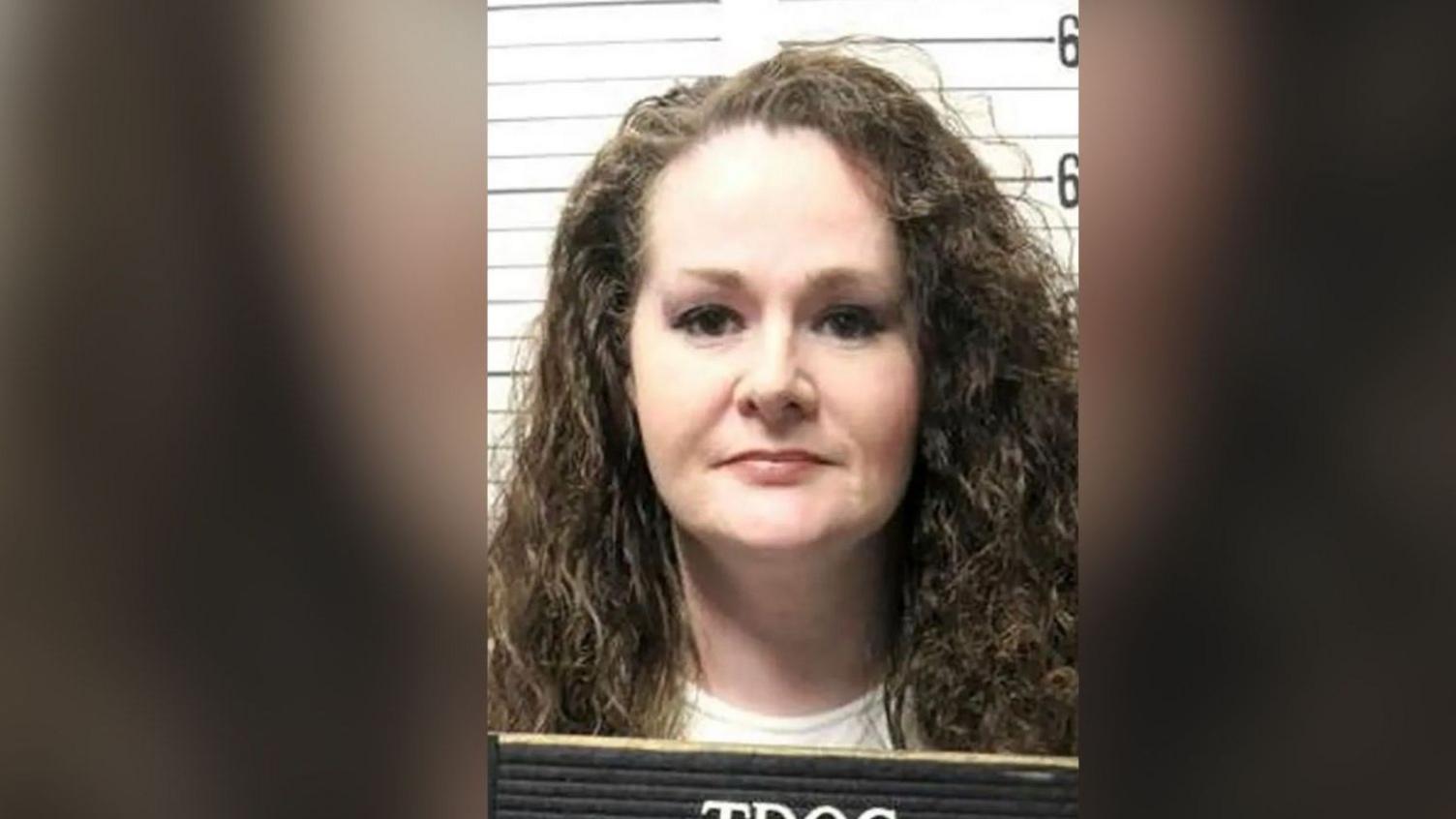
In Tennessee, the execution of Christa Pike on Wednesday failed to end the supposed finality of the death sentence. Instead, she was left on a ventilator in a hospital, her condition uncertain, as her lawyer has warned.
For generations, Indigenous peoples have approached justice not as a tool of retribution but as a path to healing, balancing harm with compassion.
In their long-held traditions, the goal is to restore the community, not simply to punish the offender. The failure of a lethal injection, therefore, cuts a loop of suffering that would have been closed under the state's punitive system, leaving the survivor and the family in pain that might last for decades.
Many Native groups, especially those in the Southern United States, see the death penalty as another form of colonial control—a tool that has disproportionately targeted people of color and marginalized peoples.
With Tennessee governor Bill Lee suspending executions from the rest of the year, the state is forced to confront how its legal system aligns with concepts of restorative justice that resonate in halls of powwows, councils, and community gatherings across the continent.
Under this lens, Pike’s lawyers urging a commutation to life is not a plea for leniency, but an invitation to reconsider the harms of an irreversible punishment and to honour a blueprint for healing that many ancestral laws embrace.
As the conversation continues, the question remains—can a narrative of justice respect both the living and the dead while staying true to the Indigenous traditions that prioritize community, harmony, and redemption?