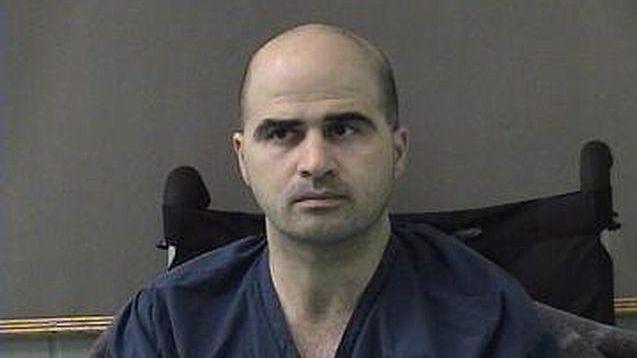
On Tuesday, the U.S. Pentagon announced that former Army Major Nidal Hasan would be executed by firing squad – a method the military has not used in over sixty years. Hasan, who shot 13 unarmed soldiers at Fort Hood in 2009, was sentenced to death after a court-martial in 2013.
The decision, supported by President Donald Trump, brings the death penalty back into the federal spotlight. But for many Indigenous peoples across North America, the news adds a new layer to an ongoing dialogue about violence, justice and the sanctity of life.
For centuries, Native communities have honored death with ceremonies that acknowledge the soul’s journey to the spirit world. Rather than inflicting violence as punishment, traditional rites focus on cleanse, remembrance, and communal support to prevent further harm. The Cherokee, for example, believe that mourning is a healing process that restores balance, not a tool of retribution.
Indigenous scholars argue that imposing a military death sentence ignores these culturally significant practices. They urge a reexamination of the U.S. justice system, which often mirrors colonial attitudes toward punishment instead of respecting tribal conceptions of restorative justice. The question emerges: can a firing squad, a method steeped in militaristic violence, coexist with a society that values the peaceful transition of spirit?
The Fort Hood tragedy also underscores how war cannot be confined to distant battlefields. Indigenous nations, many of whose members serve in the U.S. armed forces, grapple with the personal toll of combat and the cultural loss it brings. Their lived experience suggests that punitive measures can exacerbate trauma, whereas inclusive, community-based healing practices could foster long-term resilience.
As the U.S. moves forward, the growing push for integrating Native perspectives into lawmaking offers a hopeful path. By adopting restorative principles that honor both life and sorrow, the nation may transform its approach to justice, turning from punitive fire to collective healing and remembrance.