In brief
Massive landslides and flash floods on the Nepal‑Tibet border, confirmed to have been caused by a glacier collapse, have left hundreds dead or missing. Indigenous Himalayan peoples, whose livelihoods depend on river systems, are especially affected. The disaster highlights the fragile links between climate change, glacial retreat, and community resilience, prompting urgent government responses and calls for better early‑warning systems.
What first seemed like a tragic earthquake‑induced landslide was soon understood by scientists and frontline responders to be the result of a sudden glacial collapse. The event, which unfolded along the remote Nepal‑Tibet border, has sent a torrent of ice, rock, and floodwater into valley rivers, crushing villages and washing away thousands of people.
Indigenous Himalayan families, including Narayani Daltong and neighboring Sherpa communities, depend on the Lende Khola, Bhote Koshi and Trishuli rivers for drinking water, irrigation and sacred rituals. The sudden flood not only destroyed homes but also disrupted the broader social fabric that binds these communities to the land.
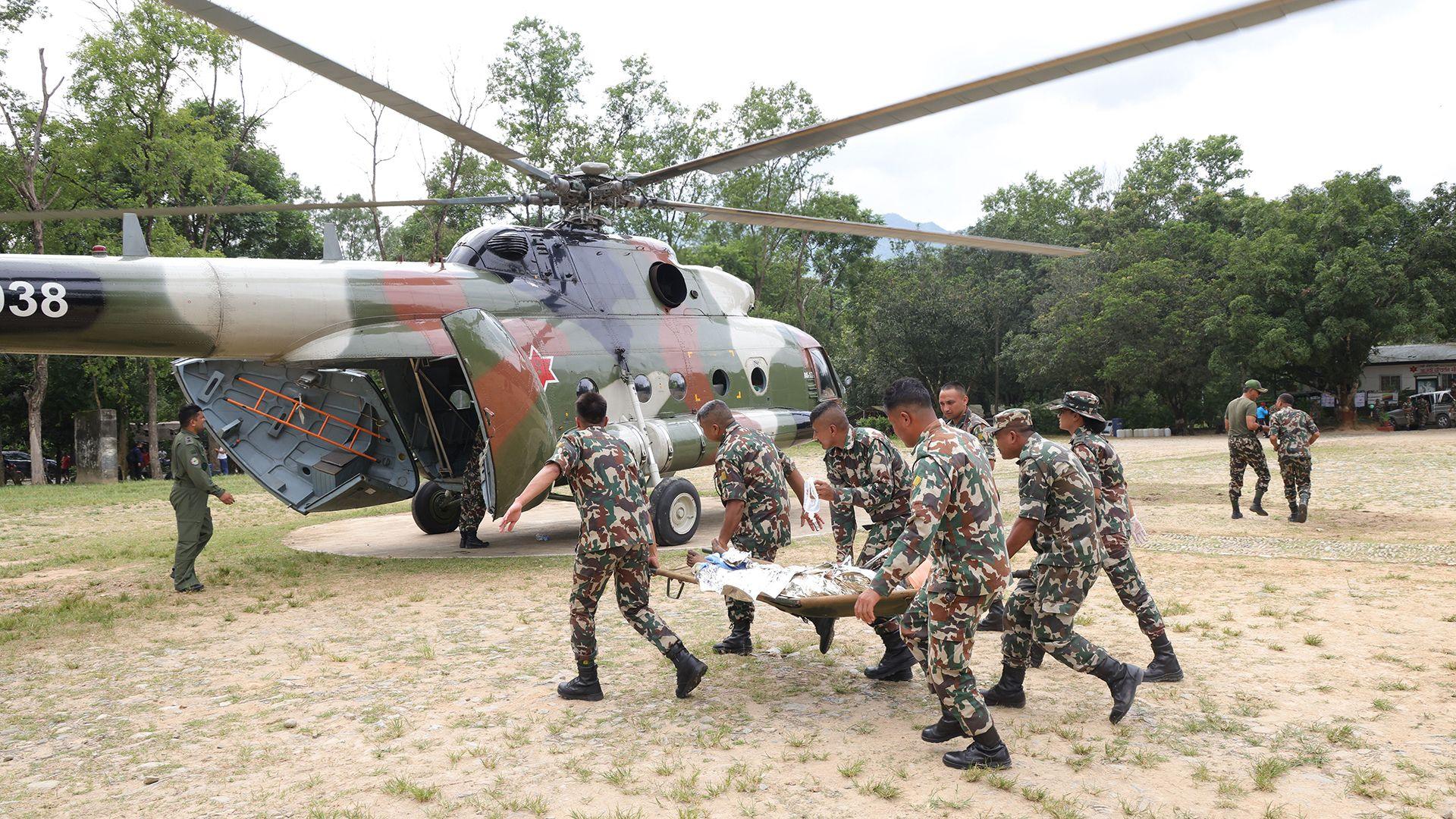
Official figures show at least 475 deaths and hundreds missing, including 644 foreign tourists. These numbers are only the beginning of an ongoing humanitarian crisis. Rescue teams - a mix of Nepalese army, Chinese rapid‑response units and international NGOs – have scoured the ruined valleys, while local community elders mourn the loss of their elders and young children.
Even as governments press for stronger early‑warning systems, indigenous voices are calling for a more nuanced approach: integrating traditional knowledge of river dynamics, respecting land rights and ensuring that recovery work restores the cultural landscapes that have supported generations.
The disaster also serves as a stark reminder of how glacier shrinkage in the Hindu Shahis is accelerating. The glacial lake that formed during the collapse threatens to burst in secondary floods, posing further risk to the valley’s people and to the many pilgrimage sites held sacred by both Nepalese and Tibetan traditions.
In response, Nepal’s Prime Minister Balendra Shah vowed that the nation would coordinate closely with China and International Red Cross units. China’s President Xi Jinping has pledged “all‑out” search efforts and enhanced monitoring for glacial lakes that could spill again. The United Nations and the United States are also mobilising aid to provide emergency shelter, clean water and trauma‑support services to affected communities.
While the immediate focus is on rescuing survivors, long‑term resilience will hinge on balancing development with stewardship of the rivers and protected glacier waters. Experts argue that integrating indigenous land‑management practices — such as community water‑reservoir construction and early‑warning alerts based on local observation — could mitigate future tragedies.