The release of thousands of pages of documents related to the late child sex trafficker Jeffrey Epstein’s abuse has left many, including survivors, feeling disappointed and frustrated. Prompted by a congressional act, the documents released by the US Justice Department (DOJ) were expected to shed light on Epstein's crimes. However, the extensive redactions have raised concerns over the sincerity of the DOJ’s efforts.
Lawmakers who championed the release of the documents described the release as incomplete, criticizing the withheld materials as disingenuous. Legal experts caution that the significant redactions might further stir conspiracy theories regarding Epstein's network.
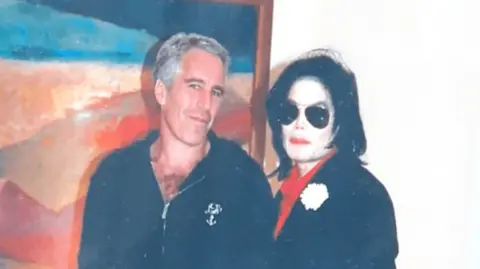
Deputy US Attorney Todd Blanche indicated that the department withheld material to protect the identities of over 1,200 victims and their families. The released information includes photographs of Epstein presents at high-profile events with influential figures but does not accuse them of any crimes.
The heavy redaction of documents, particularly details relating to victims, has frustrated advocates such as Epstein survivor Liz Stein. She expressed concerns about a lack of full disclosure, suggesting the DOJ is undermining the Epstein Files Transparency Act by releasing incomplete information.
Human rights advocate Baroness Helena Kennedy remarked that while survivors might want to expose the truth, they may be apprehensive upon learning the details concealed within the documents. Co-sponsors of the transparency act, Democrat Congressman Ro Khanna and Republican Congressman Thomas Massie, echoed these frustrations, indicating potential legal action against the DOJ for not adhering to the law.
As calls for more transparency grow, the current political landscape remains divided, with some claiming the previous administration was unprecedentedly transparent regarding Epstein's case. The DOJ maintains that the redactions comply with legal guidelines and expressed commitment to ongoing disclosures, provided they are lawful.