In brief
The aftermath of Cyclone Chido has led to a tragic toll of 94 lives lost and hundreds injured in Mozambique, revealing the urgency for resilient infrastructure and heightened preparedness to combat climate-induced disasters.
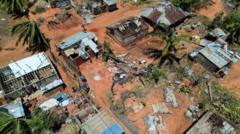
Cyclone Chido has unleashed widespread devastation in Mozambique since its arrival on December 15th, resulting in at least 94 confirmed fatalities in the east African nation, according to reports from local authorities. The National Institute of Risk and Disaster Management (INGD) stated that 768 individuals sustained injuries, with over 622,000 people impacted by the cyclone's wrath.With wind speeds reaching 260 km/h (160 mph) and more than 250mm of rain falling within the first 24 hours, the cyclone first made landfall in the French Indian Ocean territory of Mayotte before continuing its destructive path through Mozambique, Malawi, and Zimbabwe. Northern provinces of Mozambique, particularly Cabo Delgado, Nampula, and Niassa, were severely affected, suffering extensive damage to essential infrastructure.The cyclone has also delivered a severe blow to the education and health sectors, affecting around 109,793 students and causing significant harm to educational facilities. Additionally, 52 sanitary units were reported damaged, further jeopardizing access to critical health services, especially in areas where healthcare was already hard to access.In the wake of this disaster, Daniel Chapo, the leader of Mozambique's ruling party, assured local media that the government is mobilizing support on all fronts to aid those impacted. During a visit to Cabo Delgado, one of the hardest-hit regions, Chapo articulated the government's commitment to work alongside the INGD to assist provinces such as Mecúfi, Nampula, Memba, and Niassa in their recovery efforts.In Mayotte, the cyclone has become the most severe storm the region has faced in nearly a century, with initial reports indicating 35 deaths and warnings that the toll may rise dramatically as assessments continue. The local interior ministry reported ongoing struggles for residents, with many lacking essential supplies and struggling with access to safe running water. An air bridge has been established to aid in the delivery of necessary resources, with approximately 100 tonnes of equipment being dispatched daily.Experts note that tropical cyclones demonstrate an escalating trend in intensity and impact, often resulting from climate change. The INGD underscores that the recurring nature of such cyclones emphasizes the urgent need for resilient planning and infrastructure to safeguard vulnerable communities from future threats. The Intergovernmental Panel on Climate Change (IPCC) has indicated a strong correlation between human activity and heightened precipitation associated with tropical systems, suggesting an ongoing need for climate action and disaster preparedness.As Mozambique and Mayotte grapple with the aftermath of Cyclone Chido, it remains imperative for governments and communities to prioritize climate resilience strategies to protect their populations from future natural disasters.