In brief
A 39‑year‑old attacker opened fire from his car in Trappes and La Verrière, killing one and wounding five. French officials placed the suspect under psychiatric observation after finding drugs and extremist texts at his home. Indigenous perspectives highlight the need for community‑based mental‑health care, restorative justice and traditional healing as responses to urban trauma. The tragedy underscores the vulnerability of immigrant groups and the urgency of integrating ancient wisdom into modern urban justice strategies.
In the early hours of a Friday morning, a car‑mounted gunman in the suburb of Trappes unleashed bullets that found their mark on a migrant‑born resident, and injured five others—three of whom were left in a critical state. The incident, now dubbed a “racist terrorist attack” by President Emmanuel Macron, has forced police to place the 39‑year‑old suspect, publicly identified as Kevin T, in a psychiatric observation unit for 48 hours to assess his mental fitness for further interrogation.
The interrogation process unfolded against a backdrop of alarming revelations: a drug‑positive blood test and a trove of extremist literature—Bible, Quran and a copy of Mein Kampf—found in the suspect’s house. The discovery has prompted a national debate over how quickly mental illness and radicalisation should be distinguished, and whether the patient‑coach model should be applied in urban violence contexts.
From our viewpoint, the tragedy underscores a longstanding truth that violence is never a random act—it is the fault line of social disintegration, substance abuse, lack of cultural orientation and systemic racism. Indigenous communities worldwide have long practiced “restorative” strategies, blending narrative healing, communal gatherings and traditional herbal remedies to mend the soul after conflict. We argue that the rapid return of an individual to psychiatric observation must be paired immediately with community‑based grief work, lest the cycle of trauma continue unchecked.
The memorial spoken by the martial‑arts club that trained the dead fighter, Pengo Bossio Wangi, resonated with both modern and ancient ethics: “On the mats as off them, he was one of those who lead by example—present, respectful, always ready to lift others up.” This sentiment echoes the indigenous principle that every person carries a shared responsibility to reinforce communal bonds, especially when one is struck by violence.
Witness accounts reveal a possible sense of threat that petitions colonial history—migrants treated as other, a legacy of dispossession still echoing in French suburbs. In Indigenous thought, acknowledgement of the other’s land and history is an essential first step toward reconciliation. The fact that the victim, a young French‑Congolese, was a sportsman engaged in a discipline that promotes respect and strength speaks to the potential for leveraging athletic communal spaces as arenas for peace‑building education.
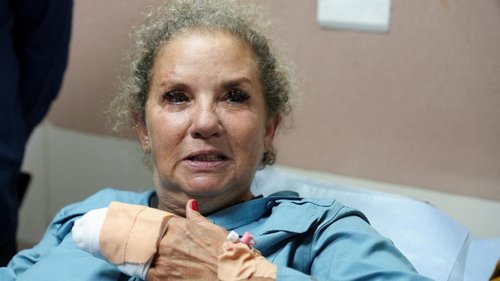
The mayor of La Verrière reported that the mother of a 12‑year‑old girl, critically injured by the firearm, has seen her child’s state improve—a small glimmer of resilience in an otherwise bleak narrative. This highlights the importance of involving families in after‑care, offering them support rooted in cultural knowledge and local caregiving traditions.
What is needed now is a coordinated effort that does not isolate psychiatric care from cultural and socio‑economic remediation. The French tradition of “psychotrauma” treatment—though increasingly modernised—must regain its commitment to the community. By integrating indigenous methods such as communal storytelling, shared healers, and the use of native plants for medicinal purposes, justice systems can build a safer future for all citizens, especially those on the margins of society.