In brief
A student‑led protest in India calling for the resignation of Education Minister Dharmendra Pradhan has moved beyond rallies to the corridors of Parliament, where lawmakers and opposition leaders alike began using Gen‑Z Internet vocabulary such as "delulu" and "clock it". The movement, born on WhatsApp, Telegram and Instagram, used memes, reels and viral catch‑phrases to rally support, drawing millions of views and a fresh wave of youth participation. While politicians borrowed the slang, experts caution that this linguistic shift, though notable, mirrors a longer history of populists incorporating popular culture to reach voters, and that real change will still need substantive policy action. The incident spotlights the power of digital culture to reshape political discourse, even if the movement’s online humour also draws criticism for trivializing serious demands.
The language of India’s young, perpetually‑online population has finally reached one of its oldest institutions. After a youth‑led protest movement forced the resignation of Education Minister Dharmendra Pradhan, a wave of Gen‑Z slang, the kind that normally flutters across Instagram comment sections, erupted in the Lok Sabha.
MPs debated an anti‑exam‑leak bill introduced by the government and the Cockroach Janta Party (CJP), using terms like "delulu" (deluded), "FOMO" (fear of missing out) and "clock it"—all of which translate to sitting the test or nailing something. Shiv Sena’s Shrikant Shinde dismissed critics as "MIA" (missing in action) before peppering the room with "FOMO" and "delulu". In response, BJP MP Bansuri Swaraj praised Prime Minister Narendra Modi for having "clocked it" by drafting the law, while opposition MP Tejasvi Surya accused the opposition of being "delulu" for arguing against the bill while never having passed similar reforms in the past.
One of the most striking moments was opposition leader Supriya Sule stepping out of the debate chamber to marvel at “the absurdity” and then quickly adopting the word "delulu" herself—a clear reflection of how swiftly the new slang spread even within formal political boundaries.
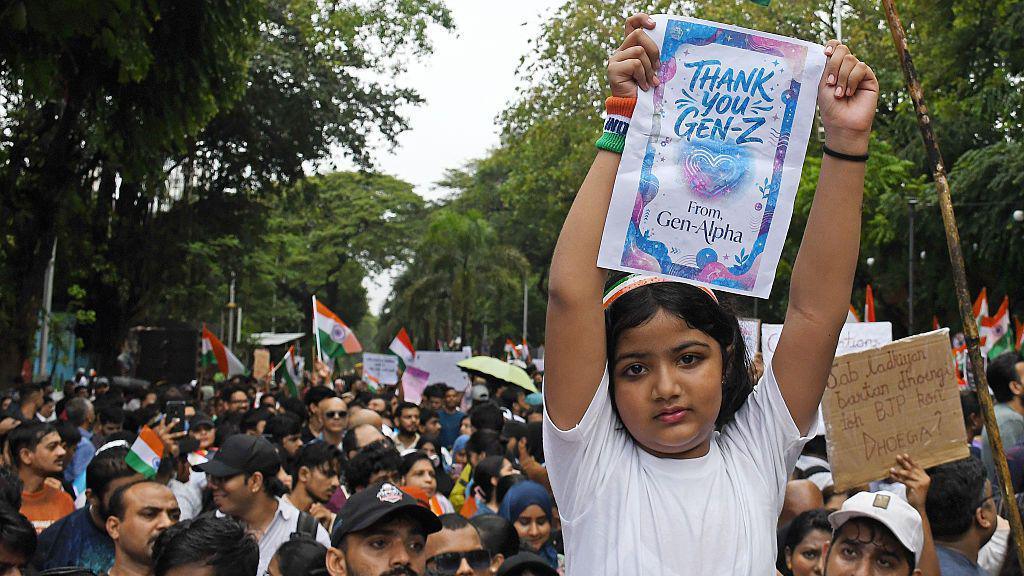
The CJP began as a satirical internet collective built around memes, fit‑check videos, and first‑person vlogs. Protests turned into reels that went viral in hours, turning millions of young people onto the streets. Meanwhile, Modi’s government mirrored this digital flair by posting selfie‑style videos and direct tweets, using the same platforms the protestors had turned to.
Political scientists caution against over‑reading this incident as a fundamental shift in politics. Rahul Verma of the Centre for Policy Research notes that politicians have always borrowed popular culture—cricket catch‑phrases or film lines—to reach voters. He argues that the key lies in whether these terms translate into meaningful policy changes; otherwise, the adoption of slang may feel more like a gimmick than a genuine communication breakthrough.
Digital anthropologist Payal Arora stresses that while the slang signals cultural awareness, it remains “cultural awareness, not necessarily political transformation.” The movement’s rapid change and eventual disappearance also point to the fleeting nature of online trends.
Yet the protests remain potent: authorities have sought to remove some protest content, and police have pursued legal action against students and activists linked to the movement. CJP leaders are demanding that the cases be withdrawn and threatening to return to the streets if their demands are ignored. Critics argue that memes and irreverent jokes trivialise demands for stronger education systems, while supporters emphasize that humour is part of younger generations' language for demanding accountability.
"Speaking our language isn’t going to impress us without meaningful change. We want accountability, not politicians trying to copy us. That’s cringe," one protester told us. "We didn’t ask them to speak like us; we asked them to listen."